SoraNews24 —Japan News—
Bringing you yesterday's news from Japan and Asia, today.
-
TOP
» Japan
-
» Criminals of Japan’s Edo Period Were Often Punished by Getting Face Tattoos
Featured
- Weird
- Studio Ghibli
- Jobs
Criminals of Japan’s Edo Period Were Often Punished by Getting Face Tattoos
 Master Blaster Mar 14, 2013
- Tweet
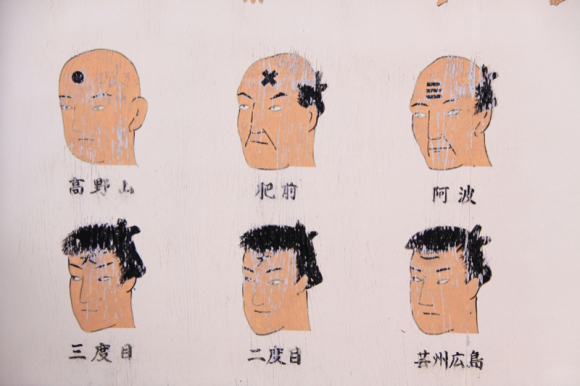
Japan has had a complicated relationship with tattoos over its history. Unlike in most western countries where it’s simply considered a form of expression or drunkenly poor decisions, currently body art is generally looked down upon in Japanese society despite having some of the best artists and techniques in the world.
And yet most people in Japan are unaware that not too long ago, for a time during the Edo Period (1603-1868) the go-to form of punishment for non-violent crimes was a tattoo right in the center of your forehead.
Called a “tattoo penalty” (irezumi kei) it was handed down to perpetrators of relatively minor crimes like theft and burglary. It was classified as a type of “corporal punishment” along with caning.
Oftentimes the penalty was accompanied by expulsion from the area. It served as a deterrent both due to the pain of getting your face tattooed and being publicly displayed as a criminal for the rest of your life.
It also had a record keeping purpose. As you can see in the photos above and below, the style of tattoo was chosen by each region individually. This way people could also know what area the convict was sentenced.
Also in the bottom row of images we can see a sort of three-strikes policy in Hiroshima where each crime gets one stroke of the Chinese character for “large” (大). In most regions, if a tattooed person repeat-offends then the penalty is death.
Tattooing in Japan can be traced back to the Jomon and Yayoi periods (14,000 B.C. – 300 A.D.) when they were believed to hold a mystical significance. Afterwards the culture moved away from tattoos well until the Edo Period when it came back in a very different way.
No prisons existed in the Edo period until the development of large cities like Osaka and Edo (Tokyo) which lead to an increase in crime. Before then, amputation of the nose or ear was the punishment of the day.
In 1745, tattooing replaced amputation as society became gentler and less blood-thirsty. This continued over the years with the face tattoos changing to the less embarrassing – and quite fashionable by today’s standards – arm tattoo.
In 1872, the newly-established government of Japan abolished the tattoo penalty once and for all.
Oddly enough, right in the middle of all this around the early 1800s, body-art suddenly became all the rage with the common people of Japan. And with the number of people seen sports tats in the streets of Japan these days, we might be due for another come-back.
Original Story: Mami
Images: (C)EDO WONDERLAND
Like this:
Like Loading…
Related Stories
 Man with face covered in tattoos admits to repeatedly headbutting Tokyo store clerk【Video】
 Step back in time to the Edo period at this unusual highway rest stop in Japan
 The depressing diet of a Tokyo prostitute during Japan’s Edo period
 Big win for tattoo artists: Japan’s Supreme Court rules medical licenses aren’t necessary
 Six members of Japan’s Self-Defense Forces face punishment for unauthorized curry-eating
- Otōshi: Japan’s Curious Compulsory Appetizers
- Research Shows Eating Kimchi Every Day Helps Lower Cholesterol and Blood Glucose Levels
- Trackbacks (0)
Trackbacks
- There are no trackbacks yet.
- Trackback URL
Trending Today
- Japan ends tax-free shopping system for foreign tourists, new refund request system now in effect
- Beautiful Ghibli diorama kits lets you build anime characters’ homes inside yours [Photos]
- Godzilla becomes a Japanese randoseru backpack, as do two of his greatest rivals [Photos]
- Japan’s free stock image site of muscular men doing whimsical and mundane things reveals rankings
- First-ever cafe on Tokyo Imperial Palace Garden grounds is now open
- This is Japan’s best cycling course, but is it fun for bicycling beginners too?
- Japanese government announces criteria for creating backup capital of Japan
- Mr. Sato searches for the mysterious new wall of fortune in Tokyo
- Starbucks Japan releases now Tokyo Reserve Roastery Christmas drinkware collection [Photos]
- Thief mails 460 million-yen watch back to Tokyo store he stole it from, says “I’m sorry”
- Otōshi: Japan’s Curious Compulsory Appetizers
- Research Shows Eating Kimchi Every Day Helps Lower Cholesterol and Blood Glucose Levels
-
Recent Posts
- First-ever cafe on Tokyo Imperial Palace Garden grounds is now open
- Godzilla becomes a Japanese randoseru backpack, as do two of his greatest rivals [Photos]
- Japan’s free stock image site of muscular men doing whimsical and mundane things reveals rankings
- Thief mails 460 million-yen watch back to Tokyo store he stole it from, says “I’m sorry”
- This is Japan’s best cycling course, but is it fun for bicycling beginners too?
-
MOST POPULAR
- Today
- Weekly
- Monthly
- Yearly
Today
 Japan ends tax-free shopping system for foreign tourists, new refund request system now in effect
 Beautiful Ghibli diorama kits lets you build anime characters’ homes inside yours [Photos]
 Godzilla becomes a Japanese randoseru backpack, as do two of his greatest rivals [Photos]
 Japan’s free stock image site of muscular men doing whimsical and mundane things reveals rankings
 First-ever cafe on Tokyo Imperial Palace Garden grounds is now open
 This is Japan’s best cycling course, but is it fun for bicycling beginners too?
 Japanese government announces criteria for creating backup capital of Japan
 Mr. Sato searches for the mysterious new wall of fortune in Tokyo
 Starbucks Japan releases now Tokyo Reserve Roastery Christmas drinkware collection [Photos]
 Thief mails 460 million-yen watch back to Tokyo store he stole it from, says “I’m sorry”
Weekly
- Japan ends tax-free shopping system for foreign tourists, new refund request system now in effect
 Japan’s TeamLab digital art group is opening a permanent museum in America
- Beautiful Ghibli diorama kits lets you build anime characters’ homes inside yours [Photos]
 Life-size Monster Hunter dragon statues to be built at Japanese shopping mall
 Studio Ghibli homeware brand’s faux oil lamp brings light, smiles, and Kiki’s Jiji to your home
 Modern exosuits are opening up ancient Japanese castle climbs to everyone
 Starbucks Japan unveils new Christmas goods for 2026, with exclusive holiday surprises
 Evangelion announces collaboration with Hard Rock Cafe
 Starbucks Japan releases “Let’s Par-TEA!” Frappuccino and drinks for the holiday season
 Cold Stone is closing its final branch in all of east Japan, but it’s going down singing
Monthly
 Pokémon Company announces first-ever permanent Pokémon store to open outside Asia
- Japan ends tax-free shopping system for foreign tourists, new refund request system now in effect
 Family Mart releases 47 convenience store socks and stickers, one for every prefecture in Japan
- Japan’s TeamLab digital art group is opening a permanent museum in America
 What’s it like to stay in a Japanese container hotel?
 Chainsaw robots helping keep trains running safely in east Japan [Video]
 New Studio Ghibli anime gets extended run at the only cinema in Japan where it’s being shown
- Beautiful Ghibli diorama kits lets you build anime characters’ homes inside yours [Photos]
 Tokyo train station will play Godzilla theme song as new departure melody
 Osaka’s famous Glico Running Man will be removed and replaced with a new-look sign
Yearly
 Japan announces sudden 400-percent increase in visa fees for foreigners entering the country
 Japan’s human washing machines will go on sale to general public, demos to be held in Tokyo
 Studio Ghibli has a new anime out, and there’s only one place in the world where you can see it
 Starbucks Japan releases new drinkware and goods for Valentine’s Day
 Starbucks Japan releases new sakura goods and drinkware for cherry blossom season 2026
 Japan’s newest Shinkansen has no seats…or passengers [Video]
 Tokyo subway installing new ticket gates that don’t accept payment through Suica or other IC cards
 Japanese ninja certification exam attracts 131 candidates from Japan and abroad
 Salomon releases Japan-exclusive Mt. Fuji hiking gear that doubles as an amazing souvenir
 Japan reportedly adding Japanese language skill requirement to most common foreigner work visa
-
RECOMMENDED STORIES
-
-
Categories
Categories Select Category Africa (33) Anime & Manga (193) Art (64) Australia (42) C America (9) C Asia (17) Canada (59) Cats (72) China (847) Culture (180) Cute (187) Entertainment (248) Europe (345) FN24 (1) Food & Drink (314) Games & Tech (167) Global (1,073) India (11) Internet (2,198) Italy (13) Japan (34,549) Korea (375) Lifestyle (76) Mexico (6) Music (12) N Asia (4) New Zealand (11) News (61) North Korea (72) Oceania (10) Russia (56) S America (33) S Asia (66) SE Asia (378) Space (2) Taiwan (203) UK (18) Uncategorized (19) USA (978) W Asia (25)
-
Archives
Archives Select Month November 2026 (18) October 2026 (144) September 2026 (156) August 2026 (174) July 2026 (197) June 2026 (174) May 2026 (138) April 2026 (142) March 2026 (150) February 2026 (124) January 2026 (138) December 2025 (136) November 2025 (136) October 2025 (151) September 2025 (154) August 2025 (143) July 2025 (158) June 2025 (165) May 2025 (162) April 2025 (181) March 2025 (157) February 2025 (127) January 2025 (139) December 2024 (148) November 2024 (149) October 2024 (153) September 2024 (154) August 2024 (158) July 2024 (156) June 2024 (150) May 2024 (166) April 2024 (150) March 2024 (157) February 2024 (169) January 2024 (159) December 2023 (165) November 2023 (166) October 2023 (166) September 2023 (173) August 2023 (183) July 2023 (171) June 2023 (180) May 2023 (158) April 2023 (152) March 2023 (167) February 2023 (160) January 2023 (171) December 2022 (175) November 2022 (176) October 2022 (179) September 2022 (191) August 2022 (202) July 2022 (193) June 2022 (178) May 2022 (178) April 2022 (181) March 2022 (212) February 2022 (199) January 2022 (224) December 2021 (230) November 2021 (214) October 2021 (215) September 2021 (238) August 2021 (225) July 2021 (207) June 2021 (218) May 2021 (209) April 2021 (206) March 2021 (225) February 2021 (209) January 2021 (224) December 2020 (225) November 2020 (224) October 2020 (231) September 2020 (238) August 2020 (227) July 2020 (220) June 2020 (209) May 2020 (215) April 2020 (238) March 2020 (235) February 2020 (222) January 2020 (233) December 2019 (187) November 2019 (214) October 2019 (237) September 2019 (195) August 2019 (205) July 2019 (183) June 2019 (201) May 2019 (231) April 2019 (192) March 2019 (242) February 2019 (211) January 2019 (238) December 2018 (212) November 2018 (217) October 2018 (214) September 2018 (203) August 2018 (217) July 2018 (218) June 2018 (208) May 2018 (204) April 2018 (193) March 2018 (216) February 2018 (192) January 2018 (223) December 2017 (204) November 2017 (209) October 2017 (218) September 2017 (209) August 2017 (228) July 2017 (222) June 2017 (245) May 2017 (229) April 2017 (197) March 2017 (165) February 2017 (151) January 2017 (180) December 2016 (260) November 2016 (267) October 2016 (302) September 2016 (387) August 2016 (351) July 2016 (379) June 2016 (379) May 2016 (312) April 2016 (347) March 2016 (414) February 2016 (379) January 2016 (359) December 2015 (359) November 2015 (378) October 2015 (435) September 2015 (419) August 2015 (152) July 2015 (218) June 2015 (179) May 2015 (237) April 2015 (223) March 2015 (119) February 2015 (121) January 2015 (394) December 2014 (376) November 2014 (376) October 2014 (414) September 2014 (349) August 2014 (379) July 2014 (316) June 2014 (375) May 2014 (384) April 2014 (354) March 2014 (318) February 2014 (284) January 2014 (270) December 2013 (224) November 2013 (242) October 2013 (244) September 2013 (226) August 2013 (241) July 2013 (214) June 2013 (222) May 2013 (191) April 2013 (173) March 2013 (149) February 2013 (85) January 2013 (106) December 2012 (111) November 2012 (149) October 2012 (151) September 2012 (118) August 2012 (99) July 2012 (56) June 2012 (57) May 2012 (54) April 2012 (62) March 2012 (40) February 2012 (27) January 2012 (24) December 2011 (18) November 2011 (12) October 2011 (1) September 2011 (9) August 2011 (11) March 2011 (1)
-
- About Us | Jobs | Contact | Contribution | Partner with Us
© SoraNews24 —Japan News— / SOCIO CORPORATION
- Advertise |
- About Us |
- Work with us |
- Contact |
- Contribution |

%d