SoraNews24 —Japan News—
Bringing you yesterday's news from Japan and Asia, today.
-
TOP
» Japan
-
» Tokyo’s sushi spirit shrine, where the souls of seafood slumber
Featured
- Weird
- Studio Ghibli
- Jobs
Tokyo’s sushi spirit shrine, where the souls of seafood slumber
 Casey Baseel Sep 28, 2014
- Tweet
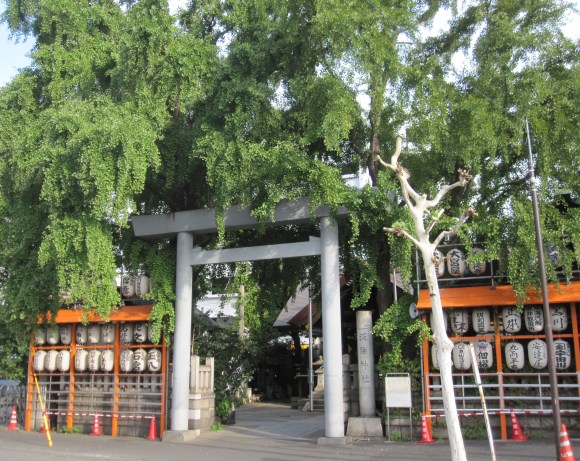
The other day, I woke up and immediately had a craving for sushi. In and of itself, that’s not really anything remarkable, since “Man, I could really go for some good sushi,” is one of my first fully formed thoughts on just about any given morning.
Not one to deny my heart its truest desires, I headed to Tokyo’s Tsukiji, home of the world’s biggest seafood market and some of Japan’s best sushi restaurants. I ducked into one and polished off a bowl of sliced tuna and salmon, and, still wrapped in the lingering effects of my food coma, went for a rambling stroll around the neighborhood.
Since I wasn’t looking for food anymore, my eyes ended up being drawn to a shrine I’d never noticed before. I stepped onto the grounds, where I found a monument to the souls of all the fish whose lives supply Japan with sushi.
Namiyoke Inari Shrine wasn’t established specifically for this purpose, nor is the sushi monument its primary claim to fame. That honor goes to the two giant lions’ heads housed there, which are both over 150 years old and are paraded around the neighborhood in an annual festival each July.
But while the sushi monument may not be as dynamic in appearance, it arguably has the deeper significance.
▼ Sushitzuka, or Grave of Sushi, is carved into the stone.
In Japan, it’s customary to say “itadakimasu” before you start eating, whether you’re about to enjoy a seven-course feast or a bite-sized snack. To people with a Christian background, it might seem a little like saying grace, but the phrase itadakimasu isn’t a prayer. It just means, “I will receive.”
But just what is it soon-to-be diners are receiving? One school of thought holds that the phrase shows gratitude to the cook or purchaser and means, “I will receive the food that you have prepared for me.” Another belief, though, is that itadakimasu is a sign of respect towards the animals and plants that nourish us. In other words, the context is, “I will receive your life.”
With over 700,000 metric tons of seafood moving through the Tsukiji fish market each year, Japan is receiving a lot of aquatic life. Looked at from that perspective, a simple memorial is the least mankind can do to say, “Hey, thanks for letting us eat you.”
Of course, not all the fish sold at Tsukiji is made into sushi. A lot of it ends up as sashimi, grilled, or stewed. So to make sure every base is covered, there’s also a stone marking The Grave of Fish.
Some of you might be wondering who paid for these markers. After all, when we talk about “the bounty of the sea,” we’re not usually referring to financial assets. Are the relatives of the deceased fish purchasing these memorial stones with sunken pirate gold?
Actually, merchants, wholesalers, and other businesses are the ones who footed the bill. Remember that huge quantity of seafood that gets sold at Tsukiji? It translates out to over 600 billion yen (US $555 million) in sales during the year. It’s not just diners who’re thankful for all that tasty fish, but the thousands of people whose livelihoods depend on it, too.
That’s also part of the reason why the monuments are extra thorough. Just like there’s an extra stone for non-sushi fish, there’s also one for shrimp.
If you’ve ever enjoyed a set of mixed tempura (and if you haven’t you’re missing out on one of the highest forms of fried food, which is saying quite a lot), then you know tempura shrimp are usually the stars of the meal. It’s such a popular ingredient that there’s a second, smaller shrimp memorial for those used to make tempura, seen on the left here.
Anglerfish is another high value-added menu item, so it gets a monument too.
As kind as the sentiment is behind all of these, though, visitors who can’t read Japanese are likely to pass by without any understanding of the stones’ meaning. You can’t say that about this one, though.
Eggs have long been the friend of sushi neophytes who aren’t quite ready to make the leap into eating raw fish. Japanese-style tamagoyaki fried egg on a stick is also a sleeper hit of the Tsukiji food stall scene, hence its inclusion here.
Namiyoke Inari Shrine is located at the end of the street serving as the edge of Tsukiji’s Outer Market, and just steps away from the gate to the Inner Market. So if you find yourself in the neighborhood and want to do something to say thanks for, and to, all the fish, consider stopping by and tossing a five-yen coin in the collection box.
Shrine information
Namiyoke Inari Shrine / 波除稲荷神社
Address: Tokyo-to, Chuo-ku, Tsukiji 6-20-37
東京都中央区築地6-20-37
Website
Photos: RocketNews24
Like this:
Like Loading…
- Japan
- (culture • food • shrines and temples • sushi • tempura • travel • Tsukiji fish market)
Related Stories
 Tokyo’s Tsukiji sushi neighborhood asks tour groups to stay away for the rest of the month
 Tsukiji Fish Market in Tokyo closes for relocation, marks end of an era in Japan【Pics & Video】
 With its Inner Market closed down, we stop by Tsukiji to see how Tokyo’s sushi mecca is coping
 Continuing our tour of the best sushi in Tokyo’s Tsukiji Fish Market with Mr. Sato! (Part 2)
 Let’s take a tour of the best sushi in Tokyo’s Tsukiji Fish Market with Mr. Sato! (Part 1)
- Kirin promotes new alcohol by filming rural people with pigeon-shaped drones… because they can
- Okonomiyaki Wine: Japan’s savory pancakes just got a new sidekick
- Trackbacks (0)
Trackbacks
- There are no trackbacks yet.
- Trackback URL
Trending Today
- Starbucks Japan unveils new winter drinkware collection with limited-edition Stanley cups
- Pachinko parlor operator arrested for not obscuring the act of gambling well enough
- Japan’s new matcha vending machines serve freshly prepared matcha in five different strengths
- Get the taste of the U.K. in Tokyo with 99 Flakes, meat pies, and Jaffa Cakes
- Restaurant opens in Japan with all-dementia waitresses, serves up ramen, awareness, and kindness
- Pokémon doughnuts pop up at Mister Donut, with a new gathering that’s bigger than ever
- Discount retailers known for massive bargains releases massive Japanese egg sandwich
- First-ever cafe on Tokyo Imperial Palace Garden grounds is now open
- Family Mart releases 47 convenience store socks and stickers, one for every prefecture in Japan
- Liquid croissant coffee is coming to Japanese stores this month
- Kirin promotes new alcohol by filming rural people with pigeon-shaped drones… because they can
- Okonomiyaki Wine: Japan’s savory pancakes just got a new sidekick
-
Recent Posts
- Japan’s new matcha vending machines serve freshly prepared matcha in five different strengths
- Restaurant opens in Japan with all-dementia waitresses, serves up ramen, awareness, and kindness
- Get the taste of the U.K. in Tokyo with 99 Flakes, meat pies, and Jaffa Cakes
- Japanese government hires leading comedy agency to explain national defense spending
- Starbucks Japan unveils new winter drinkware collection with limited-edition Stanley cups
-
MOST POPULAR
- Today
- Weekly
- Monthly
- Yearly
Today
 Starbucks Japan unveils new winter drinkware collection with limited-edition Stanley cups
 Pachinko parlor operator arrested for not obscuring the act of gambling well enough
 Japan’s new matcha vending machines serve freshly prepared matcha in five different strengths
 Get the taste of the U.K. in Tokyo with 99 Flakes, meat pies, and Jaffa Cakes
 Restaurant opens in Japan with all-dementia waitresses, serves up ramen, awareness, and kindness
 Pokémon doughnuts pop up at Mister Donut, with a new gathering that’s bigger than ever
 Discount retailers known for massive bargains releases massive Japanese egg sandwich
 First-ever cafe on Tokyo Imperial Palace Garden grounds is now open
 Family Mart releases 47 convenience store socks and stickers, one for every prefecture in Japan
 Liquid croissant coffee is coming to Japanese stores this month
Weekly
 Japan ends tax-free shopping system for foreign tourists, new refund request system now in effect
 Japan’s TeamLab digital art group is opening a permanent museum in America
 Beautiful Ghibli diorama kits lets you build anime characters’ homes inside yours [Photos]
- Pachinko parlor operator arrested for not obscuring the act of gambling well enough
- Liquid croissant coffee is coming to Japanese stores this month
- Family Mart releases 47 convenience store socks and stickers, one for every prefecture in Japan
- Pokémon doughnuts pop up at Mister Donut, with a new gathering that’s bigger than ever
 Starbucks Japan releases now Tokyo Reserve Roastery Christmas drinkware collection [Photos]
- Starbucks Japan unveils new winter drinkware collection with limited-edition Stanley cups
 Japanese government announces criteria for creating backup capital of Japan
Monthly
 Pokémon Company announces first-ever permanent Pokémon store to open outside Asia
- Japan ends tax-free shopping system for foreign tourists, new refund request system now in effect
- Family Mart releases 47 convenience store socks and stickers, one for every prefecture in Japan
- Japan’s TeamLab digital art group is opening a permanent museum in America
 What’s it like to stay in a Japanese container hotel?
- Beautiful Ghibli diorama kits lets you build anime characters’ homes inside yours [Photos]
 Chainsaw robots helping keep trains running safely in east Japan [Video]
 New Studio Ghibli anime gets extended run at the only cinema in Japan where it’s being shown
 Osaka’s famous Glico Running Man will be removed and replaced with a new-look sign
 Studio Ghibli creates illustrated Kyoto sightseeing map, available at any 7-Eleven Japan store
Yearly
 Japan announces sudden 400-percent increase in visa fees for foreigners entering the country
 Japan’s human washing machines will go on sale to general public, demos to be held in Tokyo
 Studio Ghibli has a new anime out, and there’s only one place in the world where you can see it
 Starbucks Japan releases new drinkware and goods for Valentine’s Day
 Starbucks Japan releases new sakura goods and drinkware for cherry blossom season 2026
 Japan’s newest Shinkansen has no seats…or passengers [Video]
 Tokyo subway installing new ticket gates that don’t accept payment through Suica or other IC cards
 Japanese ninja certification exam attracts 131 candidates from Japan and abroad
 Salomon releases Japan-exclusive Mt. Fuji hiking gear that doubles as an amazing souvenir
 Japan reportedly adding Japanese language skill requirement to most common foreigner work visa
-
RECOMMENDED STORIES
 Tsukiji alternative – Tokyo has a second fish market, and it turns out it’s awesome too
 Sushi Dai and other famous restaurants from Tsukiji fish market open at new Toyosu location
 Japan’s oldest Yoshinoya branch reopens in a new location: Tokyo’s brand-new Toyosu fish market
 A visit to Sushi Dai, Japan’s best sushi restaurant according to world travelers
 Tuna sells for record 333.6 million yen at Toyosu Fish Market auction in Tokyo
 Tokyo Tsukiji fish market site to be redeveloped with 50,000-seat stadium, hotel, shopping center
 On our final visit to Tsukiji fish market, tuna merchant tells us his fears about its replacement
 Restaurants, Roads, Rats: How has Tsukiji changed after the fish market move?
 How to have a great meal at conveyer belt sushi chain Kura Sushi even if you hate raw fish
 Disillusionment at Tsukiji’s tourist-target prices led us to a great ramen restaurant in Tokyo
 Tokyo’s Edo-themed hot spring hotel is a fresh seafood paradise
 5 reasons why foreign tourists should skip Tsukiji and go to a different place in Tokyo instead
 Yaizu: Japan’s best sushi market destination even most foodies in Japan have never heard of
 Tokyo’s newest hot spring bathhouse and foodie spot opening next to Japan’s biggest fish market
 Megadeth guitarist becomes voice of reason regarding tourists dancing at shrine in Japan
-
-
Categories
Categories Select Category Africa (33) Anime & Manga (193) Art (64) Australia (42) C America (9) C Asia (17) Canada (59) Cats (72) China (847) Culture (180) Cute (187) Entertainment (248) Europe (345) FN24 (1) Food & Drink (314) Games & Tech (167) Global (1,073) India (11) Internet (2,198) Italy (13) Japan (34,562) Korea (375) Lifestyle (76) Mexico (6) Music (12) N Asia (4) New Zealand (11) News (61) North Korea (72) Oceania (10) Russia (56) S America (33) S Asia (66) SE Asia (378) Space (2) Taiwan (203) UK (18) Uncategorized (19) USA (978) W Asia (25)
-
Archives
Archives Select Month November 2026 (31) October 2026 (144) September 2026 (156) August 2026 (174) July 2026 (197) June 2026 (174) May 2026 (138) April 2026 (142) March 2026 (150) February 2026 (124) January 2026 (138) December 2025 (136) November 2025 (136) October 2025 (151) September 2025 (154) August 2025 (143) July 2025 (158) June 2025 (165) May 2025 (162) April 2025 (181) March 2025 (157) February 2025 (127) January 2025 (139) December 2024 (148) November 2024 (149) October 2024 (153) September 2024 (154) August 2024 (158) July 2024 (156) June 2024 (150) May 2024 (166) April 2024 (150) March 2024 (157) February 2024 (169) January 2024 (159) December 2023 (165) November 2023 (166) October 2023 (166) September 2023 (173) August 2023 (183) July 2023 (171) June 2023 (180) May 2023 (158) April 2023 (152) March 2023 (167) February 2023 (160) January 2023 (171) December 2022 (175) November 2022 (176) October 2022 (179) September 2022 (191) August 2022 (202) July 2022 (193) June 2022 (178) May 2022 (178) April 2022 (181) March 2022 (212) February 2022 (199) January 2022 (224) December 2021 (230) November 2021 (214) October 2021 (215) September 2021 (238) August 2021 (225) July 2021 (207) June 2021 (218) May 2021 (209) April 2021 (206) March 2021 (225) February 2021 (209) January 2021 (224) December 2020 (225) November 2020 (224) October 2020 (231) September 2020 (238) August 2020 (227) July 2020 (220) June 2020 (209) May 2020 (215) April 2020 (238) March 2020 (235) February 2020 (222) January 2020 (233) December 2019 (187) November 2019 (214) October 2019 (237) September 2019 (195) August 2019 (205) July 2019 (183) June 2019 (201) May 2019 (231) April 2019 (192) March 2019 (242) February 2019 (211) January 2019 (238) December 2018 (212) November 2018 (217) October 2018 (214) September 2018 (203) August 2018 (217) July 2018 (218) June 2018 (208) May 2018 (204) April 2018 (193) March 2018 (216) February 2018 (192) January 2018 (223) December 2017 (204) November 2017 (209) October 2017 (218) September 2017 (209) August 2017 (228) July 2017 (222) June 2017 (245) May 2017 (229) April 2017 (197) March 2017 (165) February 2017 (151) January 2017 (180) December 2016 (260) November 2016 (267) October 2016 (302) September 2016 (387) August 2016 (351) July 2016 (379) June 2016 (379) May 2016 (312) April 2016 (347) March 2016 (414) February 2016 (379) January 2016 (359) December 2015 (359) November 2015 (378) October 2015 (435) September 2015 (419) August 2015 (152) July 2015 (218) June 2015 (179) May 2015 (237) April 2015 (223) March 2015 (119) February 2015 (121) January 2015 (394) December 2014 (376) November 2014 (376) October 2014 (414) September 2014 (349) August 2014 (379) July 2014 (316) June 2014 (375) May 2014 (384) April 2014 (354) March 2014 (318) February 2014 (284) January 2014 (270) December 2013 (224) November 2013 (242) October 2013 (244) September 2013 (226) August 2013 (241) July 2013 (214) June 2013 (222) May 2013 (191) April 2013 (173) March 2013 (149) February 2013 (85) January 2013 (106) December 2012 (111) November 2012 (149) October 2012 (151) September 2012 (118) August 2012 (99) July 2012 (56) June 2012 (57) May 2012 (54) April 2012 (62) March 2012 (40) February 2012 (27) January 2012 (24) December 2011 (18) November 2011 (12) October 2011 (1) September 2011 (9) August 2011 (11) March 2011 (1)
-
- About Us | Jobs | Contact | Contribution | Partner with Us
© SoraNews24 —Japan News— / SOCIO CORPORATION
- Advertise |
- About Us |
- Work with us |
- Contact |
- Contribution |

%d