SoraNews24 —Japan News—
Bringing you yesterday's news from Japan and Asia, today.
-
TOP
» Internet
-
TOP
• Japan
-
» Flipping the kanji for “husband” upside-down reveals slightly worrying double meaning
Featured
- Weird
- Studio Ghibli
- Jobs
Flipping the kanji for “husband” upside-down reveals slightly worrying double meaning

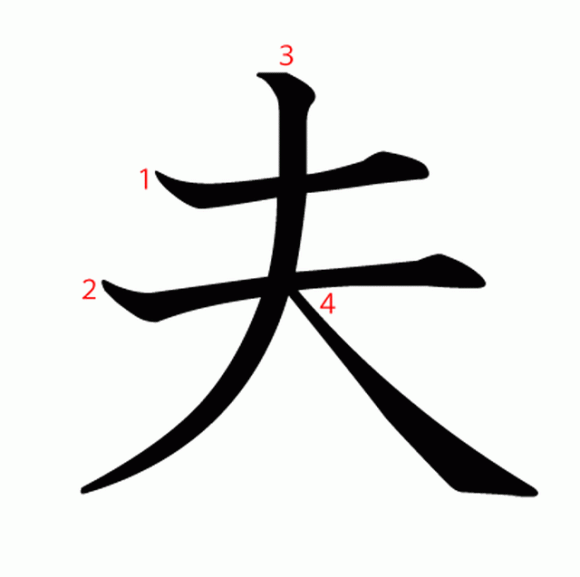
The common stereotype about women among sexually frustrated, mostly parents’ basement-dwelling, men is that girls only go for attractive, rich guys, and never the nice, tender guys with warm hearts and chic fedoras.
Well, when it comes to one of those observations, anyway, there appears to be at least one cultural precedent of a diabolical hidden message that seemingly proves the stereotype right in one of the very words that defines men and women’s relationship in Japan…
At this top of this page, you’ll see the the kanji character for husband (“otto”), which is commonly used to describe someone’s husband indirectly (women tend to directly refer to their husbands by pet names, the most common being, “anata,” which loosely translated means something like, “Hey, you over there.”). It’s a fairly simple character and one that Japanese learners meet not too far into their studies. So far, so unremarkable.
But let’s see what happens when we flip it upside-down:
▼ Hey, doesn’t that look a bit like…
▼ Well, this is awkward.
And, lest you think this is totally a coincidence that a vertically flipped “husband” should come out as the symbol for Japan’s currency, there’s actually a relatively common Japanese Internet joke that the perfect boyfriend or husband in Japan is…an ATM.
“Has money, never talks back, always on time, never forceful, doesn’t work on holidays, warm to the touch.”
So, the resemblance is a little eerie, to be sure, but there’s actually no deeper purpose here outside of a funny Internet meme, mostly because the Japanese don’t actually even use the yen symbol unless dealing with foreigners. They typically go for the native en (円) except maybe for when talking about international currency exchanges or something. History – insofar as I had time to Google – is pretty unclear about the¥symbol’s origins or whether it was devised by a Japanese or non-Japanese person.
The most commonly accepted theory, of course, is that it’s just a Y for “yen” with two lines through it – because that’s, like, just what you do with currency symbols – because in native Japanese it’s sometimes pronounced “en” and sometimes pronounced “yen” depending on the numbers that precede it, which was apparently terribly confusing to old-timey foreigners.
So, rest assured guys; this doesn’t mean Japanese women see yen signs whenever they look at men and probably aren’t waiting on proposals from ATMs.
Source: alfalfalfa
Feature image: Kanji Jiten
Like this:
Like Loading…
Related Stories
 Cool design on Japanese posters lets you look at kanji upside-down for a whole new meaning
 Japan’s Kanji of the Year revealed, reflects both the good and the bad of 2022
 Japan’s Kanji of the Year announced, shows the bright and dark spots of 2024【Video】
- Unhinged Japanese boyband fan stalks “rival” on Twitter, demands they delete their account
- Get into the groove with this beautiful Japanese confection that looks like a piano keyboard!
- Trackbacks (0)
Trackbacks
- There are no trackbacks yet.
- Trackback URL
Trending Today
- Japan ends tax-free shopping system for foreign tourists, new refund request system now in effect
- Beautiful Ghibli diorama kits lets you build anime characters’ homes inside yours [Photos]
- Starbucks Japan releases now Tokyo Reserve Roastery Christmas drinkware collection [Photos]
- Japanese government announces criteria for creating backup capital of Japan
- Japan’s TeamLab digital art group is opening a permanent museum in America
- This hot spring near Osaka’s Kansai Airport resolves the pick-two-out-of-three bathhouse dilemma
- Mr. Sato searches for the mysterious new wall of fortune in Tokyo
- Japan’s mini Shikoku Pilgrimage walking tour left us feeling immensely satisfied
- Family Mart releases 47 convenience store socks and stickers, one for every prefecture in Japan
- Tokyo Skytree set to offer breathtaking Diamond Fuji natural phenomenon view this month
- Unhinged Japanese boyband fan stalks “rival” on Twitter, demands they delete their account
- Get into the groove with this beautiful Japanese confection that looks like a piano keyboard!
-
Recent Posts
- Thief mails 460 million-yen watch back to Tokyo store he stole it from, says “I’m sorry”
- This is Japan’s best cycling course, but is it fun for bicycling beginners too?
- Mr. Sato searches for the mysterious new wall of fortune in Tokyo
- Starbucks Japan releases now Tokyo Reserve Roastery Christmas drinkware collection [Photos]
- Japanese government announces criteria for creating backup capital of Japan
-
MOST POPULAR
- Today
- Weekly
- Monthly
- Yearly
Today
 Japan ends tax-free shopping system for foreign tourists, new refund request system now in effect
 Beautiful Ghibli diorama kits lets you build anime characters’ homes inside yours [Photos]
 Starbucks Japan releases now Tokyo Reserve Roastery Christmas drinkware collection [Photos]
 Japanese government announces criteria for creating backup capital of Japan
 Japan’s TeamLab digital art group is opening a permanent museum in America
 This hot spring near Osaka’s Kansai Airport resolves the pick-two-out-of-three bathhouse dilemma
 Mr. Sato searches for the mysterious new wall of fortune in Tokyo
 Japan’s mini Shikoku Pilgrimage walking tour left us feeling immensely satisfied
 Family Mart releases 47 convenience store socks and stickers, one for every prefecture in Japan
 Tokyo Skytree set to offer breathtaking Diamond Fuji natural phenomenon view this month
Weekly
- Japan’s TeamLab digital art group is opening a permanent museum in America
- Japan ends tax-free shopping system for foreign tourists, new refund request system now in effect
 Starbucks Japan unveils new Christmas goods for 2026, with exclusive holiday surprises
- Beautiful Ghibli diorama kits lets you build anime characters’ homes inside yours [Photos]
 Life-size Monster Hunter dragon statues to be built at Japanese shopping mall
 Studio Ghibli homeware brand’s faux oil lamp brings light, smiles, and Kiki’s Jiji to your home
 Modern exosuits are opening up ancient Japanese castle climbs to everyone
 Evangelion announces collaboration with Hard Rock Cafe
 Starbucks Japan releases “Let’s Par-TEA!” Frappuccino and drinks for the holiday season
 Cold Stone is closing its final branch in all of east Japan, but it’s going down singing
Monthly
 Pokémon Company announces first-ever permanent Pokémon store to open outside Asia
- Family Mart releases 47 convenience store socks and stickers, one for every prefecture in Japan
 What’s it like to stay in a Japanese container hotel?
- Japan’s TeamLab digital art group is opening a permanent museum in America
 Chainsaw robots helping keep trains running safely in east Japan [Video]
 New Studio Ghibli anime gets extended run at the only cinema in Japan where it’s being shown
 Tokyo train station will play Godzilla theme song as new departure melody
 Osaka’s famous Glico Running Man will be removed and replaced with a new-look sign
 Studio Ghibli creates illustrated Kyoto sightseeing map, available at any 7-Eleven Japan store
- Japan ends tax-free shopping system for foreign tourists, new refund request system now in effect
Yearly
 Japan announces sudden 400-percent increase in visa fees for foreigners entering the country
 Japan’s human washing machines will go on sale to general public, demos to be held in Tokyo
 Studio Ghibli has a new anime out, and there’s only one place in the world where you can see it
 Starbucks Japan releases new drinkware and goods for Valentine’s Day
 Starbucks Japan releases new sakura goods and drinkware for cherry blossom season 2026
 Japan’s newest Shinkansen has no seats…or passengers [Video]
 Tokyo subway installing new ticket gates that don’t accept payment through Suica or other IC cards
 Japanese ninja certification exam attracts 131 candidates from Japan and abroad
 Salomon releases Japan-exclusive Mt. Fuji hiking gear that doubles as an amazing souvenir
 Japan reportedly adding Japanese language skill requirement to most common foreigner work visa
-
RECOMMENDED STORIES
-
-
Categories
Categories Select Category Africa (33) Anime & Manga (193) Art (64) Australia (42) C America (9) C Asia (17) Canada (59) Cats (72) China (847) Culture (180) Cute (187) Entertainment (248) Europe (345) FN24 (1) Food & Drink (314) Games & Tech (167) Global (1,073) India (11) Internet (2,198) Italy (13) Japan (34,546) Korea (375) Lifestyle (76) Mexico (6) Music (12) N Asia (4) New Zealand (11) News (61) North Korea (72) Oceania (10) Russia (56) S America (33) S Asia (66) SE Asia (378) Space (2) Taiwan (203) UK (18) Uncategorized (19) USA (978) W Asia (25)
-
Archives
Archives Select Month November 2026 (15) October 2026 (144) September 2026 (156) August 2026 (174) July 2026 (197) June 2026 (174) May 2026 (138) April 2026 (142) March 2026 (150) February 2026 (124) January 2026 (138) December 2025 (136) November 2025 (136) October 2025 (151) September 2025 (154) August 2025 (143) July 2025 (158) June 2025 (165) May 2025 (162) April 2025 (181) March 2025 (157) February 2025 (127) January 2025 (139) December 2024 (148) November 2024 (149) October 2024 (153) September 2024 (154) August 2024 (158) July 2024 (156) June 2024 (150) May 2024 (166) April 2024 (150) March 2024 (157) February 2024 (169) January 2024 (159) December 2023 (165) November 2023 (166) October 2023 (166) September 2023 (173) August 2023 (183) July 2023 (171) June 2023 (180) May 2023 (158) April 2023 (152) March 2023 (167) February 2023 (160) January 2023 (171) December 2022 (175) November 2022 (176) October 2022 (179) September 2022 (191) August 2022 (202) July 2022 (193) June 2022 (178) May 2022 (178) April 2022 (181) March 2022 (212) February 2022 (199) January 2022 (224) December 2021 (230) November 2021 (214) October 2021 (215) September 2021 (238) August 2021 (225) July 2021 (207) June 2021 (218) May 2021 (209) April 2021 (206) March 2021 (225) February 2021 (209) January 2021 (224) December 2020 (225) November 2020 (224) October 2020 (231) September 2020 (238) August 2020 (227) July 2020 (220) June 2020 (209) May 2020 (215) April 2020 (238) March 2020 (235) February 2020 (222) January 2020 (233) December 2019 (187) November 2019 (214) October 2019 (237) September 2019 (195) August 2019 (205) July 2019 (183) June 2019 (201) May 2019 (231) April 2019 (192) March 2019 (242) February 2019 (211) January 2019 (238) December 2018 (212) November 2018 (217) October 2018 (214) September 2018 (203) August 2018 (217) July 2018 (218) June 2018 (208) May 2018 (204) April 2018 (193) March 2018 (216) February 2018 (192) January 2018 (223) December 2017 (204) November 2017 (209) October 2017 (218) September 2017 (209) August 2017 (228) July 2017 (222) June 2017 (245) May 2017 (229) April 2017 (197) March 2017 (165) February 2017 (151) January 2017 (180) December 2016 (260) November 2016 (267) October 2016 (302) September 2016 (387) August 2016 (351) July 2016 (379) June 2016 (379) May 2016 (312) April 2016 (347) March 2016 (414) February 2016 (379) January 2016 (359) December 2015 (359) November 2015 (378) October 2015 (435) September 2015 (419) August 2015 (152) July 2015 (218) June 2015 (179) May 2015 (237) April 2015 (223) March 2015 (119) February 2015 (121) January 2015 (394) December 2014 (376) November 2014 (376) October 2014 (414) September 2014 (349) August 2014 (379) July 2014 (316) June 2014 (375) May 2014 (384) April 2014 (354) March 2014 (318) February 2014 (284) January 2014 (270) December 2013 (224) November 2013 (242) October 2013 (244) September 2013 (226) August 2013 (241) July 2013 (214) June 2013 (222) May 2013 (191) April 2013 (173) March 2013 (149) February 2013 (85) January 2013 (106) December 2012 (111) November 2012 (149) October 2012 (151) September 2012 (118) August 2012 (99) July 2012 (56) June 2012 (57) May 2012 (54) April 2012 (62) March 2012 (40) February 2012 (27) January 2012 (24) December 2011 (18) November 2011 (12) October 2011 (1) September 2011 (9) August 2011 (11) March 2011 (1)
-
- About Us | Jobs | Contact | Contribution | Partner with Us
© SoraNews24 —Japan News— / SOCIO CORPORATION
- Advertise |
- About Us |
- Work with us |
- Contact |
- Contribution |

%d