SoraNews24 —Japan News—
Bringing you yesterday's news from Japan and Asia, today.
-
TOP
» Japan
-
» Radiation fears as report shows Fukushima fir trees to be growing strangely
Featured
- Weird
- Studio Ghibli
- Jobs
Radiation fears as report shows Fukushima fir trees to be growing strangely

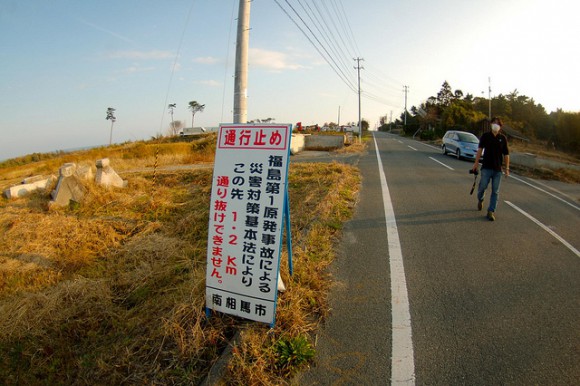
Following the events of the 2011 Tohoku earthquake and tsunami and the subsequent meltdowns at the Fukushima Daiichi Nuclear Power Plant complex, radiologists in Japan have been closely observing the area for potential changes. A new report by the National Institute of Radiological Sciences now suggests that the fir trees in Fukushima may be exhibiting strange growth patterns, with the radiation from the disaster being named as a possible factor.
The report, published on the organisation’s website on August 28, states that when comparing fir trees from within the affected zone to those from areas with lower radioactivity, the fir trees in the affected area were increasingly found to be stunted and exhibiting signs of morphological change, particularly bifurcation, the splitting of a body into two parts, i.e. ‘branching’.
Each year of a healthy fir tree’s growth sees it growing directly upward while also putting out two horizontal branches. Scientists have noted, however, that some of the trees in the affected areas are only branching off into two separate directions at the tip, and exhibiting lack of upward growth.
The changes can be identified in the below images, which were included with the report. Image A shows a normal example of growth. Note the vertical central branch. Photo B shows a trunk which has entirely split into two, and photo C shows horizontal growth only, with a distinct lack of vertical growth. The red arrows indicate where bifurcation has occurred. You can see in image C how the central, vertical branch of the tree which should be growing upward is missing entirely.
The investigation was conducted in January of this year, with trees examined in (S1) Okuma, Fukushima (3.5 kilometres from the nuclear plant), and two locations (S2, S3) in Namie, Fukushima (8.5 and 15 kilometres from the plant). Radiation levels in Okuma were recorded at 33.9 microsieverts, and in Namie, the levels were 19.6 and 6.85 microsieverts, respectively. These trees were compared against trees in the north of neighbouring Ibaraki Prefecture (S4) from an area with a microsievert reading of 0.13.
Between 100 and 200 trees in each location were examined for changes, with the effect seen more often in the areas with higher levels of radiation. 90% of the trees examined in Okuma exhibited some degree of morphological change, a number which fell to 40% and 30% in Namie, and to less than 10% in northern Ibaraki Prefecture.
The correlation between the frequency of the morphological change and the proximity to the Fukushima Daiichi site/level of radiation recorded suggests that it is likely—but as yet not confirmed—that the changes are connected to the increase in background radiation.
However, the report notes that this particular morphological change has been identified in other areas and can be attributed to a range of other factors including environmental changes and as a result of pest damage. The report states that rather than attributing this change directly to the nuclear disaster, researchers are instead presenting evidence that proves that this change is seen more often when radiation is a contributing factor.
Source: Report on Morphological Changes to Fir Trees in Areas with High Radiation, National Institute of Radiological Sciences via Asahi
Main Image: Flickr/raneko
Other Images: National Institute of Radiological Sciences
Like this:
Like Loading…
Related Stories
 Return to Fukushima: Decontaminated town reopens to residents, but is anybody living there?
 First worker to die from Fukushima radiation exposure officially recognized by Japan’s government
 New study shows wildlife thriving in areas evacuated after Fukushima nuclear meltdown【Video】
 New research suggests even low-level radiation in Fukushima negatively impacting wildlife
 Google to Photograph Street Views of Evacuated Town in Fukushima
- We eat Electrical Udon and Blue Curry while watching guys shoot each other with electricity
- Virtual reality Totoro? Project Morpheus team looking for artist with “Studio Ghibli” style
- Trackbacks (0)
Trackbacks
- There are no trackbacks yet.
- Trackback URL
Trending Today
- Tokyo’s Shibuya Sakurazaka cherry blossom street to be decommissioned, number of trees to increase
- Starbucks Japan reveals new Christmas advent calendar and holiday drinkware collection
- Japan’s JR East reveals new train company mascot character, online comments aren’t kind
- Join Suica’s penguin on its graduation trip to outer space at Hotel Metropolitan Tokyo Ikebukuro
- FamilyMart’s “physical AI” robot workers getting chilly reception in Japan
- Studio Ghibli adds new Princess Mononoke sukajan jacket to its anime streetwear range in Japan
- Foreign tourist missing after off-season Mt. Fuji hike, father reportedly offering reward to find him/his body
- Online scammers beware, one man is coming for your fried rice recipes… all of them
- Foreign hiker on Mt. Fuji loses consciousness and dies, becoming climbing season’s second fatality
- Nara deer send record number of people to hospital, over 70 percent of patients are foreigners
- We eat Electrical Udon and Blue Curry while watching guys shoot each other with electricity
- Virtual reality Totoro? Project Morpheus team looking for artist with “Studio Ghibli” style
-
Recent Posts
- Join Suica’s penguin on its graduation trip to outer space at Hotel Metropolitan Tokyo Ikebukuro
- Starbucks Japan reveals new Christmas advent calendar and holiday drinkware collection
- Japan’s JR East reveals new train company mascot character, online comments aren’t kind
- FamilyMart’s “physical AI” robot workers getting chilly reception in Japan
- Online scammers beware, one man is coming for your fried rice recipes… all of them
-
MOST POPULAR
- Today
- Weekly
- Monthly
- Yearly
Today
 Tokyo’s Shibuya Sakurazaka cherry blossom street to be decommissioned, number of trees to increase
 Starbucks Japan reveals new Christmas advent calendar and holiday drinkware collection
 Japan’s JR East reveals new train company mascot character, online comments aren’t kind
 Join Suica’s penguin on its graduation trip to outer space at Hotel Metropolitan Tokyo Ikebukuro
 FamilyMart’s “physical AI” robot workers getting chilly reception in Japan
 Studio Ghibli adds new Princess Mononoke sukajan jacket to its anime streetwear range in Japan
 Foreign tourist missing after off-season Mt. Fuji hike, father reportedly offering reward to find him/his body
 Online scammers beware, one man is coming for your fried rice recipes… all of them
 Foreign hiker on Mt. Fuji loses consciousness and dies, becoming climbing season’s second fatality
 Nara deer send record number of people to hospital, over 70 percent of patients are foreigners
Weekly
- Nara deer send record number of people to hospital, over 70 percent of patients are foreigners
 Studio Ghibli and Uniqlo reveal brand-new T-shirt collaboration [Pics]
- Tokyo’s Shibuya Sakurazaka cherry blossom street to be decommissioned, number of trees to increase
 Ichiran releases an at-home counter kit that turns your desk into a ramen restaurant
 Starbucks Japan releases new Bearista glass tumbler that changes character with every drink
 Starbucks Japan reveals new Joyful Capsule gacha toy release date
 Akihabara restaurant with 1.7 million sushi bowl options will have us coming back again and again
 Tokyo cracks down on Airbnb-style rentals with new laws limiting operator days and more
 Tokyo neighborhood adds new “smart trash cans” to deal with increasing amounts of tourist litter
 America’s first-ever permanent One Piece store is now open [Photos]
Monthly
- Nara deer send record number of people to hospital, over 70 percent of patients are foreigners
 Pokémon Company announces first-ever permanent Pokémon store to open outside Asia
 Japan ends tax-free shopping system for foreign tourists, new refund request system now in effect
- Studio Ghibli and Uniqlo reveal brand-new T-shirt collaboration [Pics]
- Tokyo’s Shibuya Sakurazaka cherry blossom street to be decommissioned, number of trees to increase
 Japan’s TeamLab digital art group is opening a permanent museum in America
- Ichiran releases an at-home counter kit that turns your desk into a ramen restaurant
 Beautiful Ghibli diorama kits lets you build anime characters’ homes inside yours [Photos]
 Family Mart releases 47 convenience store socks and stickers, one for every prefecture in Japan
 Chainsaw robots helping keep trains running safely in east Japan [Video]
Yearly
 Japan announces sudden 400-percent increase in visa fees for foreigners entering the country
 Japan’s human washing machines will go on sale to general public, demos to be held in Tokyo
 Studio Ghibli has a new anime out, and there’s only one place in the world where you can see it
- Nara deer send record number of people to hospital, over 70 percent of patients are foreigners
 Starbucks Japan releases new drinkware and goods for Valentine’s Day
 Starbucks Japan releases new sakura goods and drinkware for cherry blossom season 2026
 Japan’s newest Shinkansen has no seats…or passengers [Video]
 Tokyo subway installing new ticket gates that don’t accept payment through Suica or other IC cards
 Japanese ninja certification exam attracts 131 candidates from Japan and abroad
 Salomon releases Japan-exclusive Mt. Fuji hiking gear that doubles as an amazing souvenir
-
RECOMMENDED STORIES
-
-
Categories
Categories Select Category Africa (33) Anime & Manga (193) Art (64) Australia (42) C America (9) C Asia (17) Canada (59) Cats (72) China (847) Culture (180) Cute (187) Entertainment (248) Europe (345) FN24 (1) Food & Drink (314) Games & Tech (167) Global (1,073) India (11) Internet (2,198) Italy (13) Japan (34,616) Korea (375) Lifestyle (76) Mexico (6) Music (12) N Asia (4) New Zealand (11) News (61) North Korea (72) Oceania (10) Russia (56) S America (33) S Asia (66) SE Asia (378) Space (2) Taiwan (203) UK (18) Uncategorized (19) USA (979) W Asia (25)
-
Archives
Archives Select Month November 2026 (85) October 2026 (144) September 2026 (156) August 2026 (174) July 2026 (197) June 2026 (174) May 2026 (138) April 2026 (142) March 2026 (150) February 2026 (124) January 2026 (138) December 2025 (136) November 2025 (136) October 2025 (151) September 2025 (154) August 2025 (143) July 2025 (158) June 2025 (165) May 2025 (162) April 2025 (181) March 2025 (157) February 2025 (127) January 2025 (139) December 2024 (148) November 2024 (149) October 2024 (153) September 2024 (154) August 2024 (158) July 2024 (156) June 2024 (150) May 2024 (166) April 2024 (150) March 2024 (157) February 2024 (169) January 2024 (159) December 2023 (165) November 2023 (166) October 2023 (166) September 2023 (173) August 2023 (183) July 2023 (171) June 2023 (180) May 2023 (158) April 2023 (152) March 2023 (167) February 2023 (160) January 2023 (171) December 2022 (175) November 2022 (176) October 2022 (179) September 2022 (191) August 2022 (202) July 2022 (193) June 2022 (178) May 2022 (178) April 2022 (181) March 2022 (212) February 2022 (199) January 2022 (224) December 2021 (230) November 2021 (214) October 2021 (215) September 2021 (238) August 2021 (225) July 2021 (207) June 2021 (218) May 2021 (209) April 2021 (206) March 2021 (225) February 2021 (209) January 2021 (224) December 2020 (225) November 2020 (224) October 2020 (231) September 2020 (238) August 2020 (227) July 2020 (220) June 2020 (209) May 2020 (215) April 2020 (238) March 2020 (235) February 2020 (222) January 2020 (233) December 2019 (187) November 2019 (214) October 2019 (237) September 2019 (195) August 2019 (205) July 2019 (183) June 2019 (201) May 2019 (231) April 2019 (192) March 2019 (242) February 2019 (211) January 2019 (238) December 2018 (212) November 2018 (217) October 2018 (214) September 2018 (203) August 2018 (217) July 2018 (218) June 2018 (208) May 2018 (204) April 2018 (193) March 2018 (216) February 2018 (192) January 2018 (223) December 2017 (204) November 2017 (209) October 2017 (218) September 2017 (209) August 2017 (228) July 2017 (222) June 2017 (245) May 2017 (229) April 2017 (197) March 2017 (165) February 2017 (151) January 2017 (180) December 2016 (260) November 2016 (267) October 2016 (302) September 2016 (387) August 2016 (351) July 2016 (379) June 2016 (379) May 2016 (312) April 2016 (347) March 2016 (414) February 2016 (379) January 2016 (359) December 2015 (359) November 2015 (378) October 2015 (435) September 2015 (419) August 2015 (152) July 2015 (218) June 2015 (179) May 2015 (237) April 2015 (223) March 2015 (119) February 2015 (121) January 2015 (394) December 2014 (376) November 2014 (376) October 2014 (414) September 2014 (349) August 2014 (379) July 2014 (316) June 2014 (375) May 2014 (384) April 2014 (354) March 2014 (318) February 2014 (284) January 2014 (270) December 2013 (224) November 2013 (242) October 2013 (244) September 2013 (226) August 2013 (241) July 2013 (214) June 2013 (222) May 2013 (191) April 2013 (173) March 2013 (149) February 2013 (85) January 2013 (106) December 2012 (111) November 2012 (149) October 2012 (151) September 2012 (118) August 2012 (99) July 2012 (56) June 2012 (57) May 2012 (54) April 2012 (62) March 2012 (40) February 2012 (27) January 2012 (24) December 2011 (18) November 2011 (12) October 2011 (1) September 2011 (9) August 2011 (11) March 2011 (1)
-
 Seven years after earthquake, Fukushima teen says March 11 is an “ordinary day” in the prefecture
 Japan government makes cute illustrated version of radioactive isotope it plans to dump into sea
- About Us | Jobs | Contact | Contribution | Partner with Us
© SoraNews24 —Japan News— / SOCIO CORPORATION
- Advertise |
- About Us |
- Work with us |
- Contact |
- Contribution |

%d