SoraNews24 —Japan News—
Bringing you yesterday's news from Japan and Asia, today.
-
TOP
» Culture
-
TOP
• Japan
-
» Why does Japanese writing need three different sets of characters? (Part 2)
Featured
- Weird
- Studio Ghibli
- Jobs
Why does Japanese writing need three different sets of characters? (Part 2)
 Casey Baseel May 20, 2016
- Tweet
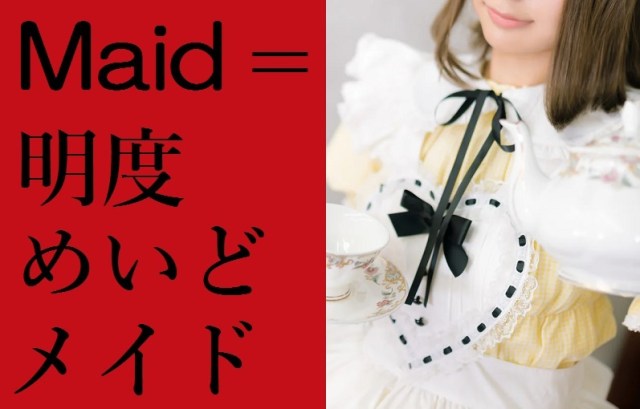
We’re back and ready to take on the third, and most puzzling, type of Japanese text: katakana.
Recently, we started taking a look at the question of why the Japanese language needs three sets of written characters. To recap, we saw that kanji (complex characters that originated in China) are used to symbolize a term or concept, while hiragana (simpler, indigenous Japanese characters) represent sounds and provide extra context and grammatical information.
What we haven’t talked about yet is why Japanese needs two sets of phonetic script. Aside from hiragana, there’s also katakana, yet another group of 46 low-stroke-count characters used for writing things phonetically. Specifically, katakana get used for writing foreign loanwords.
But wait. We don’t need a whole new set of letters to write foreign loanwords in English. What makes things different in Japanese? Let’s dive into the answer, and since it’s going to take a while to explain, go ahead and pour yourself a cup of coffee.
▼ Which, incidentally, is written with katakana as コーヒー.
As mentioned last time, there are two huge advantages to using a mix of kanji and hiragana. There’s an extremely limited number of sounds available in the Japanese language, which results in many Japanese words having the same pronunciation but wildly different meanings, but the conceptual meanings kanji possess help to avoid confusion. Second, since Japanese is written with no spaces between words, using kanji for vocabulary and kana for grammar (to put things in broad terms) makes it easy to see the components of a sentence.
▼ Watashi ha kuruma wo mita or “I saw the car,” with kanji (i.e. vocabulary) written in red and hiragana (i.e. grammar) in blue.
But that limited number of sounds means most foreign words can’t be properly rendered in written Japanese, which threatens to give the language even more homonyms. For example, let’s say we wanted to talk about a maid, of the maid cafe variety. Since Japanese syllables can’t end in a “D” sound, “maid” becomes meido (pronounced close to “maid-o”).
If we want to write meido in Japanese, it seems like the obvious thing to do is to write it in simple, phonetic hiragana. Technically we could do that, and it would look like this:
But this would make things confusing once we combined it with other words. Since hiragana is most commonly used for grammatical modifications, using it for a whole noun like “maid” can make it hard to see the breakdown of ideas in a sentence. Remember how easy it was to spot the breaks in “Watashi ha kuruma wo mita/I saw the car?” Look what happens when we replace the kanji for kuruma/car, 車, with meido, written all in hiragana (once again with kanji in red and hiragana in blue), to try to write Watashi ha meido wo mita/I saw the maid.
Now we’ve got that whole はめいどを cluster of hiragana, which makes it confusing to figure out where to draw the lines to separate the different ideas in the sentence. The は, めいど, and を are all serving different purposes, but because they’re in a singular mass of hiragana, it becomes difficult to differentiate one from the other. As a matter of fact, it can actually be somewhat confusing and cumbersome for Japanese adults to read young children’s storybooks if they’re predominantly written in hiragana without severely slowing down their reading speed so they can pick things apart.
OK, so now we’ve seen that using hiragana to write meido would be a bad plan. So how about writing it in kanji? The problem with that approach is that it raises the question of how, and more importantly when, to decide what the kanji for meido should be. There isn’t a starkly defined point at which vocabulary crosses over into other languages. Just look at the gradual manner in which “anime,” “otaku,” and “moe” have seeped into English.
In order to write everything in kanji, you’d need some sort of linguistic authority group constantly scanning for foreign words and developing new kanji for them before anyone in Japan has a need to write them. Even if such a framework existed, there’s the problem that if you chose the kanji based on how they’re pronounced, in an attempt to stay close to the original pronunciation of the loanword, the meaning of those individual kanji is going to be something completely different from that of the loanword they’re supposed to be representing.
▼ It’d be sort of like if I told you this picture represents a maid, and not approval, because “may” sounds similar to “maid.”
So now hiragana and kanji are both out. Using either for meido would both create new problems, and there’s no practical way to produce a universally accepted kanji for it either, so there needs to be another phonetic character set for writing foreign loanwords: katakana.
Which is why meido gets written in katakana like this:
Now armed with all three sets of characters, let’s go back and write Watashi ha medio wo mita again.
▼ Kanji in red, hiragana in blue, katakana in green
Now we’ve got a nice kanji-hiragana-katakana-hiragana-kanji-hiragana pattern, giving us the easy-to-spot breakdown of:
1. 私は: Watashi (I) and ha (the subject marker)
2. メイドを: meido (the maid) and wo (the object marker)
3. 見た: mi- (the verb see) and -ta (marking the verb as past tense)
Looking at the situation from the standpoint of how a language advances and evolves, katakana gives Japanese a way to quickly incorporate new concepts from other cultures with a non-kanji-based writing system. Without katakana, there’d be no way for Japan to efficiently add global ideas to its writing. Without hiragana, there’d be no way to easily modify grammar. And without either, you’d end up with basically the Chinese writing system, which makes the Japanese one look like a cakewalk in terms of difficulty for foreign learners.
Speaking of foreign learners, the existence of katakana actually works out in your favor, once you get the hang of some of the more common ways the pronunciation of foreign words gets corrupted in Japanese. Once again, say you’re reading the sentence Watashi ha meido wo mita/I saw the maid.
Even if you didn’t already know that meido is the Japanese word for “maid,” once you see that it’s written in katakana, you know it’s a foreign loanword. When you spot メイド, even if you’ve never seen the word used in Japanese before, you can ask yourself “Is there a word in English/French/Spanish/etc. that sounds like this?” and you’ve got a chance of deciphering the meaning on the spot.
Yes, until you get a little experience with the language and build up a base of vocabulary, sometimes it’s going to be extremely frustrating that Japanese has three different styles of writing. It didn’t all start making sense to me until a couple of months into studying the language, but one day it clicked, and in the roughly 20 years since I haven’t reversed my stance on it. Trust me, as weird as it might seem in the beginning, I’ve never met anyone for whom the relationship between kanji, hiragana, and katakana was the insurmountable stumbling block that kept them from becoming proficient in Japanese, so if that’s your goal, stick with it (and all three of them).
Got a burning question about Japanese? Ask Casey on Twitter! Got a question about any other kind of burning? Ask your doctor!
Top image: RocketNews24, Pakutaso (edited by RocketNews24)
Insert images: Pakutaso (1, 2), RocketNews24, Pakutaso (2)
Like this:
Like Loading…
- Culture, Japan
- (hiragana • Japanese language • kanji • Katakana • learning japanese • linguistics)
Related Stories
 Why does Japanese writing need three different sets of characters? (Part 1)
 Why are some types of Japanese rice written with completely different types of Japanese writing?
 How to tell Japanese’s two most confusing, nearly identical characters apart from each other
 Foreigners in Japan vote for the best-looking katakana character
 What does a kanji with 12 “kuchi” radicals mean? A look at weird, forgotten Japanese characters
- Japanese Twitter user snoops under brother’s bed, finds less yet far more than she bargained for
- Watch the trailer for The Red Turtle, Studio Ghibli’s first release post-Hayao Miyazaki【Video】
- Trackbacks (0)
Trackbacks
- There are no trackbacks yet.
- Trackback URL
Trending Today
- Nara deer send record number of people to hospital, over 70 percent of patients are foreigners
- Studio Ghibli and Uniqlo reveal brand-new T-shirt collaboration [Pics]
- Complaints of bar scams from foreign tourists in Tokyo’s Shinjuku triple compared to last year
- We try Japan’s craziest energy drink…from a Street Fighter card!
- Starbucks Japan unveils new Christmas Matcha Tiramisu Frappuccino
- Akihabara restaurant with 1.7 million sushi bowl options will have us coming back again and again
- SmaGO “smart trash cans” installed within the grounds of Kyoto’s Kiyomizudera
- Are the viral fries at De Frites Staan Harajuku really worth the hype?
- Ichiran releases an at-home counter kit that turns your desk into a ramen restaurant
- Cup Noodles go isekai in crossovers with three of Japan’s other favorite foods [Taste test]
- Japanese Twitter user snoops under brother’s bed, finds less yet far more than she bargained for
- Watch the trailer for The Red Turtle, Studio Ghibli’s first release post-Hayao Miyazaki【Video】
-
Recent Posts
- Starbucks Japan unveils new Christmas Matcha Tiramisu Frappuccino
- We try Japan’s craziest energy drink…from a Street Fighter card!
- SmaGO “smart trash cans” installed within the grounds of Kyoto’s Kiyomizudera
- Complaints of bar scams from foreign tourists in Tokyo’s Shinjuku triple compared to last year
- Studio Ghibli and Uniqlo reveal brand-new T-shirt collaboration [Pics]
-
MOST POPULAR
- Today
- Weekly
- Monthly
- Yearly
Today
 Nara deer send record number of people to hospital, over 70 percent of patients are foreigners
 Studio Ghibli and Uniqlo reveal brand-new T-shirt collaboration [Pics]
 Complaints of bar scams from foreign tourists in Tokyo’s Shinjuku triple compared to last year
 We try Japan’s craziest energy drink…from a Street Fighter card!
 Starbucks Japan unveils new Christmas Matcha Tiramisu Frappuccino
 Akihabara restaurant with 1.7 million sushi bowl options will have us coming back again and again
 SmaGO “smart trash cans” installed within the grounds of Kyoto’s Kiyomizudera
 Are the viral fries at De Frites Staan Harajuku really worth the hype?
 Ichiran releases an at-home counter kit that turns your desk into a ramen restaurant
 Cup Noodles go isekai in crossovers with three of Japan’s other favorite foods [Taste test]
Weekly
- Nara deer send record number of people to hospital, over 70 percent of patients are foreigners
- Ichiran releases an at-home counter kit that turns your desk into a ramen restaurant
 Tokyo cracks down on Airbnb-style rentals with new laws limiting operator days and more
 America’s first-ever permanent One Piece store is now open [Photos]
 Tokyo neighborhood adds new “smart trash cans” to deal with increasing amounts of tourist litter
 Starbucks Japan releases new Bearista glass tumbler that changes character with every drink
 Starbucks Japan reveals new Joyful Capsule gacha toy release date
 Pokémon card game’s expansion features art from Fist of the North Star creator
- Akihabara restaurant with 1.7 million sushi bowl options will have us coming back again and again
 Japanese viewers of Godzilla Minus Zero angered by unusual number of restroom goers
Monthly
 Pokémon Company announces first-ever permanent Pokémon store to open outside Asia
 Japan ends tax-free shopping system for foreign tourists, new refund request system now in effect
- Nara deer send record number of people to hospital, over 70 percent of patients are foreigners
 Japan’s TeamLab digital art group is opening a permanent museum in America
 Beautiful Ghibli diorama kits lets you build anime characters’ homes inside yours [Photos]
- Ichiran releases an at-home counter kit that turns your desk into a ramen restaurant
 Family Mart releases 47 convenience store socks and stickers, one for every prefecture in Japan
 Chainsaw robots helping keep trains running safely in east Japan [Video]
 New Studio Ghibli anime gets extended run at the only cinema in Japan where it’s being shown
- Tokyo cracks down on Airbnb-style rentals with new laws limiting operator days and more
Yearly
 Japan announces sudden 400-percent increase in visa fees for foreigners entering the country
 Japan’s human washing machines will go on sale to general public, demos to be held in Tokyo
 Studio Ghibli has a new anime out, and there’s only one place in the world where you can see it
 Starbucks Japan releases new drinkware and goods for Valentine’s Day
 Starbucks Japan releases new sakura goods and drinkware for cherry blossom season 2026
 Japan’s newest Shinkansen has no seats…or passengers [Video]
 Tokyo subway installing new ticket gates that don’t accept payment through Suica or other IC cards
 Japanese ninja certification exam attracts 131 candidates from Japan and abroad
 Salomon releases Japan-exclusive Mt. Fuji hiking gear that doubles as an amazing souvenir
 Japan reportedly adding Japanese language skill requirement to most common foreigner work visa
-
RECOMMENDED STORIES
 One simple kanji character in super-simple Japanese sentence has five different pronunciations
 Why is the Japanese kanji for “four” so frustratingly weird?
 Brain Gymnastics Quiz: Move one matchstick to create the name of a Japanese Prefecture
 Japanese writing system gets turned into handsome anime men with Hiragana Boys video game
 Pokémon Center apologizes for writing model Nicole Fujita’s name as Nicole Fujita
 German linguist living in Japan says kanji characters used for Germany are discriminatory
 Video of each Japanese hiragana getting “measured up” is oddly cute and satisfying【Video】
 Japanese park’s English dog turd warning minces no words【Why does Engrish happen?】
 Yahoo! Japan finds most alphabetic and katakana words Japanese people want to find out about
 Clever font sneaks pronunciation guide for English speakers into Japanese katakana characters
 How to write “sakura” in Japanese (and why it’s written that way)
 Twitter users say Japanese Prime Minister’s name is hiding in the kanji for Japan’s new era name
 Japanese first grader wins math contest by quantifying “which hiragana are the hardest to write”
 Japanese study tip: Imagine kanji characters as fighting game characters, like in this cool video
 The extremely violent backstory of how to write the word “take” in Japanese
-
-
Categories
Categories Select Category Africa (33) Anime & Manga (193) Art (64) Australia (42) C America (9) C Asia (17) Canada (59) Cats (72) China (847) Culture (180) Cute (187) Entertainment (248) Europe (345) FN24 (1) Food & Drink (314) Games & Tech (167) Global (1,073) India (11) Internet (2,198) Italy (13) Japan (34,604) Korea (375) Lifestyle (76) Mexico (6) Music (12) N Asia (4) New Zealand (11) News (61) North Korea (72) Oceania (10) Russia (56) S America (33) S Asia (66) SE Asia (378) Space (2) Taiwan (203) UK (18) Uncategorized (19) USA (979) W Asia (25)
-
Archives
Archives Select Month November 2026 (73) October 2026 (144) September 2026 (156) August 2026 (174) July 2026 (197) June 2026 (174) May 2026 (138) April 2026 (142) March 2026 (150) February 2026 (124) January 2026 (138) December 2025 (136) November 2025 (136) October 2025 (151) September 2025 (154) August 2025 (143) July 2025 (158) June 2025 (165) May 2025 (162) April 2025 (181) March 2025 (157) February 2025 (127) January 2025 (139) December 2024 (148) November 2024 (149) October 2024 (153) September 2024 (154) August 2024 (158) July 2024 (156) June 2024 (150) May 2024 (166) April 2024 (150) March 2024 (157) February 2024 (169) January 2024 (159) December 2023 (165) November 2023 (166) October 2023 (166) September 2023 (173) August 2023 (183) July 2023 (171) June 2023 (180) May 2023 (158) April 2023 (152) March 2023 (167) February 2023 (160) January 2023 (171) December 2022 (175) November 2022 (176) October 2022 (179) September 2022 (191) August 2022 (202) July 2022 (193) June 2022 (178) May 2022 (178) April 2022 (181) March 2022 (212) February 2022 (199) January 2022 (224) December 2021 (230) November 2021 (214) October 2021 (215) September 2021 (238) August 2021 (225) July 2021 (207) June 2021 (218) May 2021 (209) April 2021 (206) March 2021 (225) February 2021 (209) January 2021 (224) December 2020 (225) November 2020 (224) October 2020 (231) September 2020 (238) August 2020 (227) July 2020 (220) June 2020 (209) May 2020 (215) April 2020 (238) March 2020 (235) February 2020 (222) January 2020 (233) December 2019 (187) November 2019 (214) October 2019 (237) September 2019 (195) August 2019 (205) July 2019 (183) June 2019 (201) May 2019 (231) April 2019 (192) March 2019 (242) February 2019 (211) January 2019 (238) December 2018 (212) November 2018 (217) October 2018 (214) September 2018 (203) August 2018 (217) July 2018 (218) June 2018 (208) May 2018 (204) April 2018 (193) March 2018 (216) February 2018 (192) January 2018 (223) December 2017 (204) November 2017 (209) October 2017 (218) September 2017 (209) August 2017 (228) July 2017 (222) June 2017 (245) May 2017 (229) April 2017 (197) March 2017 (165) February 2017 (151) January 2017 (180) December 2016 (260) November 2016 (267) October 2016 (302) September 2016 (387) August 2016 (351) July 2016 (379) June 2016 (379) May 2016 (312) April 2016 (347) March 2016 (414) February 2016 (379) January 2016 (359) December 2015 (359) November 2015 (378) October 2015 (435) September 2015 (419) August 2015 (152) July 2015 (218) June 2015 (179) May 2015 (237) April 2015 (223) March 2015 (119) February 2015 (121) January 2015 (394) December 2014 (376) November 2014 (376) October 2014 (414) September 2014 (349) August 2014 (379) July 2014 (316) June 2014 (375) May 2014 (384) April 2014 (354) March 2014 (318) February 2014 (284) January 2014 (270) December 2013 (224) November 2013 (242) October 2013 (244) September 2013 (226) August 2013 (241) July 2013 (214) June 2013 (222) May 2013 (191) April 2013 (173) March 2013 (149) February 2013 (85) January 2013 (106) December 2012 (111) November 2012 (149) October 2012 (151) September 2012 (118) August 2012 (99) July 2012 (56) June 2012 (57) May 2012 (54) April 2012 (62) March 2012 (40) February 2012 (27) January 2012 (24) December 2011 (18) November 2011 (12) October 2011 (1) September 2011 (9) August 2011 (11) March 2011 (1)
-
- About Us | Jobs | Contact | Contribution | Partner with Us
© SoraNews24 —Japan News— / SOCIO CORPORATION
- Advertise |
- About Us |
- Work with us |
- Contact |
- Contribution |

%d