SoraNews24 —Japan News—
Bringing you yesterday's news from Japan and Asia, today.
-
TOP
» Japan
-
» Posthumous divorce on the rise in Japan as a way to distance oneself from in-laws
Featured
- Weird
- Studio Ghibli
- Jobs
Posthumous divorce on the rise in Japan as a way to distance oneself from in-laws
 Master Blaster Sep 5, 2024
- Tweet
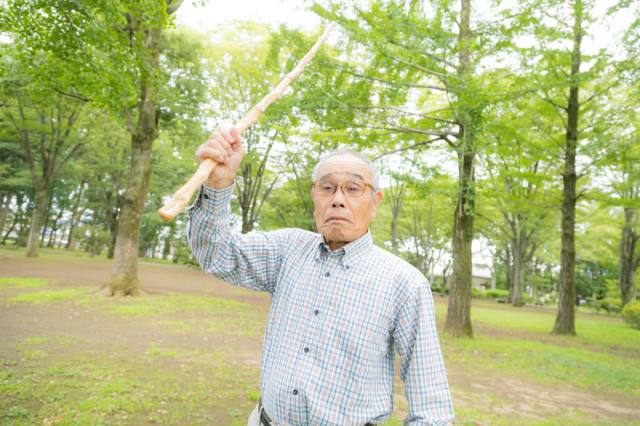
Tell your late spouse’s family how you really feel. Tell them with a divorce.
The meddlesome in-law is a classic domestic crisis that goes back as far as the dawn of humanity, according to The Flintstones. And though it’s more of an anecdotal situation that’s difficult to quantify with precision, there are enough anecdotes to suggest in-law animosity is still an issue in many Japanese families, so much so that there’s actually an official process for severing one’s ties with a deceased spouse’s family in Japan.
It’s commonly known as a “posthumous divorce” (shigo rikon), which is a rather misleading name because a deceased spouse is not actually getting divorced. Japan has the same “till death do you part” mentality as most places, so it’s legally impossible to divorce a dead person.
▼ “Look, I know this isn’t the best time, but I’ve been thinking and it’s just not working out between us…”
Image: Wikipedia/Enshuritsu 3 percent

Posthumous divorce’s technical but less popular name is a “notification of marital relationship termination” (inzoku kankei shuryo todoke) which means one is officially severing ties with the family of a deceased spouse. What’s particularly strange about it is that it doesn’t really serve any purpose for a vast majority of people aside from a government-approved official statement that someone finds their in-laws unbearable.
Traditionally, there have been certain expectations that Japanese children, first-born sons in particular, that they should take care of their parents when they become too old to do so for themselves. First-borns are also expected to inherit the family home, grave, and other assets passed down through generations.
However, in the case that a first-born passes away, these things usually go to another person in their family’s bloodline rather than the first-born’s spouse, so getting a posthumous divorce rarely affects that situation. There are cases where a first-born might specifically leave these inheritances to their spouse in their will, at which time the person seeking the posthumous divorce would have to arrange a successor in the late spouse’s family first.
Even if the spouse is living with the in-laws at the time of the death, they would no longer have a legal obligation to take care of them. It becomes more of an ethical situation whether or not to continue doing so.
Posthumous divorce also has no effect on the person’s legal relationship with their late spouse. They can still choose to keep the spouse’s surname and are still eligible for all inheritances, pensions, and insurance policies as they were before the posthumous divorce. They can even still have their own remains placed in their spouse’s family grave since their legal relationship to the late spouse is still fully intact.
In addition to all that, a posthumous divorce can be obtained unilaterally and the in-laws will receive no notice of it from the government. Only the spouse of the deceased can file for this too, the late spouse’s family cannot sever ties in this way.
▼ It’s a relatively easy process that just requires filling out a few applications at the nearest city office
Image: Pakutaso
Since very little is actually accomplished by this, it begs the question not only of why anyone would want to get a posthumous divorce but why the number of posthumous divorces is increasing.
According to data from the Ministry of Justice, the number of annual posthumous divorces averages around 4,000, compared to an average of less than 2,000 during the late ’90s. Many of these cases have the divorce used as a tool when spouses are dragged into inheritance disputes or other problems by order of the deceased’s will. However, there is recently a growing group of people in the same situation as a 53-year-old woman in Tokyo who described the process of legally cutting ties with her in-laws as a “tremendous feeling of liberation.”
She describes her married life as being constantly irked by the slights made by her mother-in-law, but driven by a sense of traditional duty to put up with them for her husband’s sake. However, once her husband passed, her mother-in-law’s behavior continued until she could take no more and filed for “divorce” from her.
While it worked out well for that woman, it should be noted that a posthumous divorce is not a restraining order and doesn’t necessarily mean the in-laws are forced out of your life forever. This is especially true in cases where grandchildren are involved because their legal ties to their grandparents are not affected by this process at all and remain firmly intact. In that way, it seems likely that a posthumous divorce could simply work to amp up acrimony with in-laws rather than end it.
Nevertheless, it is a legal instrument that exists in Japan for those who want to send a firm message to surviving in-laws they can no longer tolerate. After all, it’s a problem that is sure to plague humanity well into the 21st century, according to The Jetsons.
Source: Sozoku Asahi, The Sankei Shimbun, Yahoo! Japan News, e-Stat
Featured image: Pakutaso
● Want to hear about SoraNews24’s latest articles as soon as they’re published? Follow us on Facebook and Twitter!
Like this:
Like Loading…
- Japan
- (death • divorce • family • family law • in-laws • law • posthumous divorce • society • weird)
Related Stories
 Japan may finally abolish law that bans women only from remarrying soon after divorce
 Yakuza video game even in Japan allows fans to both marry and divorce their 2-D crushes
 Survey Reveals that 65.5% of Japanese Male Office Workers Have Considered Divorce
 What do you do when your mother-in-law secretly kisses your husband while you sleep?
 Married Japanese man must pay 4.6 million yen after faking being single and impregnating partner
- Starbucks Japan releases new Pumpkin Spice Latte chilled cup exclusively at convenience stores
- Survey shows drop in Japanese highschoolers who’ve kissed someone, girls still more experienced
- Trackbacks (0)
Trackbacks
- There are no trackbacks yet.
- Trackback URL
Trending Today
- Umamusume is officially collaborating with the Denver Broncos football team [Video]
- Bus driver fired for licking inside of the bus during livestream
- Has a Shibuya restaurant solved the problem of one of Japan’s most divisive soba noodle toppings?
- Hello Kitty would like to be squeezed between your thighs in her new plushie form [Pics]
- Make Gifu’s famous autumn chestnut sweet at home with just two Japanese supermarket snacks
- 4-cheese-pizza-flavored soda unleashed on Japan [Taste Test]
- Studio Ghibli releases new Howl’s Moving Castle merchandise, complete with spinning clock and talking Calcifer
- Final Fantasy/Dragon Quest Christmas trees go up as Chocobo and Slime celebrate holidays in Japan
- East Japan Railway Company says it will use all three of its mascot replacement characters
- Is Starbucks Japan’s new Matcha Tiramisu Frappuccino really like a Christmas tree?
- Starbucks Japan releases new Pumpkin Spice Latte chilled cup exclusively at convenience stores
- Survey shows drop in Japanese highschoolers who’ve kissed someone, girls still more experienced
-
Recent Posts
- Bus driver fired for licking inside of the bus during livestream
- Hello Kitty would like to be squeezed between your thighs in her new plushie form [Pics]
- Has a Shibuya restaurant solved the problem of one of Japan’s most divisive soba noodle toppings?
- Make Gifu’s famous autumn chestnut sweet at home with just two Japanese supermarket snacks
- 4-cheese-pizza-flavored soda unleashed on Japan [Taste Test]
-
MOST POPULAR
- Today
- Weekly
- Monthly
- Yearly
Today
 Umamusume is officially collaborating with the Denver Broncos football team [Video]
 Bus driver fired for licking inside of the bus during livestream
 Has a Shibuya restaurant solved the problem of one of Japan’s most divisive soba noodle toppings?
 Hello Kitty would like to be squeezed between your thighs in her new plushie form [Pics]
 Make Gifu’s famous autumn chestnut sweet at home with just two Japanese supermarket snacks
 4-cheese-pizza-flavored soda unleashed on Japan [Taste Test]
 Studio Ghibli releases new Howl’s Moving Castle merchandise, complete with spinning clock and talking Calcifer
 Final Fantasy/Dragon Quest Christmas trees go up as Chocobo and Slime celebrate holidays in Japan
 East Japan Railway Company says it will use all three of its mascot replacement characters
 Is Starbucks Japan’s new Matcha Tiramisu Frappuccino really like a Christmas tree?
Weekly
 Nara deer send record number of people to hospital, over 70 percent of patients are foreigners
 Tokyo’s Shibuya Sakurazaka cherry blossom street to be decommissioned, number of trees to increase
 Studio Ghibli and Uniqlo reveal brand-new T-shirt collaboration [Pics]
- Studio Ghibli releases new Howl’s Moving Castle merchandise, complete with spinning clock and talking Calcifer
 Life-size Gundam statue’s head returning to Tokyo neighborhood this month
 Starbucks Japan reveals new Christmas advent calendar and holiday drinkware collection
 Japan’s beautiful new Pokémon hotel room gives you and Dragonite a place to take a break
 Japan’s JR East reveals new train company mascot character, online comments aren’t kind
- Umamusume is officially collaborating with the Denver Broncos football team [Video]
 Starbucks Japan unveils new Christmas Matcha Tiramisu Frappuccino
Monthly
- Nara deer send record number of people to hospital, over 70 percent of patients are foreigners
 Japan ends tax-free shopping system for foreign tourists, new refund request system now in effect
- Tokyo’s Shibuya Sakurazaka cherry blossom street to be decommissioned, number of trees to increase
- Studio Ghibli and Uniqlo reveal brand-new T-shirt collaboration [Pics]
 Ichiran releases an at-home counter kit that turns your desk into a ramen restaurant
 Japan’s TeamLab digital art group is opening a permanent museum in America
- Studio Ghibli releases new Howl’s Moving Castle merchandise, complete with spinning clock and talking Calcifer
 Beautiful Ghibli diorama kits lets you build anime characters’ homes inside yours [Photos]
 Chainsaw robots helping keep trains running safely in east Japan [Video]
 Family Mart releases 47 convenience store socks and stickers, one for every prefecture in Japan
Yearly
 Japan announces sudden 400-percent increase in visa fees for foreigners entering the country
 Japan’s human washing machines will go on sale to general public, demos to be held in Tokyo
 Studio Ghibli has a new anime out, and there’s only one place in the world where you can see it
- Nara deer send record number of people to hospital, over 70 percent of patients are foreigners
 Starbucks Japan releases new drinkware and goods for Valentine’s Day
 Starbucks Japan releases new sakura goods and drinkware for cherry blossom season 2026
 Japan’s newest Shinkansen has no seats…or passengers [Video]
 Tokyo subway installing new ticket gates that don’t accept payment through Suica or other IC cards
 Japanese ninja certification exam attracts 131 candidates from Japan and abroad
 Salomon releases Japan-exclusive Mt. Fuji hiking gear that doubles as an amazing souvenir
-
RECOMMENDED STORIES
 Should people in Japan be allowed to keep their surnames after getting married, survey asks
 The odd phenomenon of some Japanese husbands making their wives put their socks on for them
 Japan: one of the few countries in the world where married couples must have the same surname
 Four more things women are banned from doing in Japan【Women in Japan Series】
 Japanese teen wins right to change name from “His Lordship the Prince” to something less flowery
 Poll finds support to let women inherit imperial throne as Japan faces possible succession crisis
 Married couples in Japan must have the same surname, so does Mr. Sato regret taking his wife’s?
 Japan Supreme Court rules it’s constitutional to require married men and women have same surname
 Japan’s Princess Aiko won’t have tiara made for her, in consideration of hard economic times
 Still a ways to go, but animal welfare in Japan is improving by leaps and bounds
-
-
Categories
Categories Select Category Africa (33) Anime & Manga (193) Art (64) Australia (42) C America (9) C Asia (17) Canada (59) Cats (72) China (847) Culture (180) Cute (187) Entertainment (248) Europe (345) FN24 (1) Food & Drink (314) Games & Tech (167) Global (1,073) India (11) Internet (2,200) Italy (13) Japan (34,634) Korea (375) Lifestyle (76) Mexico (6) Music (12) N Asia (4) New Zealand (11) News (61) North Korea (72) Oceania (10) Russia (56) S America (33) S Asia (66) SE Asia (378) Space (2) Taiwan (203) UK (18) Uncategorized (19) USA (980) W Asia (25)
-
Archives
Archives Select Month November 2026 (103) October 2026 (144) September 2026 (156) August 2026 (174) July 2026 (197) June 2026 (174) May 2026 (138) April 2026 (142) March 2026 (150) February 2026 (124) January 2026 (138) December 2025 (136) November 2025 (136) October 2025 (151) September 2025 (154) August 2025 (143) July 2025 (158) June 2025 (165) May 2025 (162) April 2025 (181) March 2025 (157) February 2025 (127) January 2025 (139) December 2024 (148) November 2024 (149) October 2024 (153) September 2024 (154) August 2024 (158) July 2024 (156) June 2024 (150) May 2024 (166) April 2024 (150) March 2024 (157) February 2024 (169) January 2024 (159) December 2023 (165) November 2023 (166) October 2023 (166) September 2023 (173) August 2023 (183) July 2023 (171) June 2023 (180) May 2023 (158) April 2023 (152) March 2023 (167) February 2023 (160) January 2023 (171) December 2022 (175) November 2022 (176) October 2022 (179) September 2022 (191) August 2022 (202) July 2022 (193) June 2022 (178) May 2022 (178) April 2022 (181) March 2022 (212) February 2022 (199) January 2022 (224) December 2021 (230) November 2021 (214) October 2021 (215) September 2021 (238) August 2021 (225) July 2021 (207) June 2021 (218) May 2021 (209) April 2021 (206) March 2021 (225) February 2021 (209) January 2021 (224) December 2020 (225) November 2020 (224) October 2020 (231) September 2020 (238) August 2020 (227) July 2020 (220) June 2020 (209) May 2020 (215) April 2020 (238) March 2020 (235) February 2020 (222) January 2020 (233) December 2019 (187) November 2019 (214) October 2019 (237) September 2019 (195) August 2019 (205) July 2019 (183) June 2019 (201) May 2019 (231) April 2019 (192) March 2019 (242) February 2019 (211) January 2019 (238) December 2018 (212) November 2018 (217) October 2018 (214) September 2018 (203) August 2018 (217) July 2018 (218) June 2018 (208) May 2018 (204) April 2018 (193) March 2018 (216) February 2018 (192) January 2018 (223) December 2017 (204) November 2017 (209) October 2017 (218) September 2017 (209) August 2017 (228) July 2017 (222) June 2017 (245) May 2017 (229) April 2017 (197) March 2017 (165) February 2017 (151) January 2017 (180) December 2016 (260) November 2016 (267) October 2016 (302) September 2016 (387) August 2016 (351) July 2016 (379) June 2016 (379) May 2016 (312) April 2016 (347) March 2016 (414) February 2016 (379) January 2016 (359) December 2015 (359) November 2015 (378) October 2015 (435) September 2015 (419) August 2015 (152) July 2015 (218) June 2015 (179) May 2015 (237) April 2015 (223) March 2015 (119) February 2015 (121) January 2015 (394) December 2014 (376) November 2014 (376) October 2014 (414) September 2014 (349) August 2014 (379) July 2014 (316) June 2014 (375) May 2014 (384) April 2014 (354) March 2014 (318) February 2014 (284) January 2014 (270) December 2013 (224) November 2013 (242) October 2013 (244) September 2013 (226) August 2013 (241) July 2013 (214) June 2013 (222) May 2013 (191) April 2013 (173) March 2013 (149) February 2013 (85) January 2013 (106) December 2012 (111) November 2012 (149) October 2012 (151) September 2012 (118) August 2012 (99) July 2012 (56) June 2012 (57) May 2012 (54) April 2012 (62) March 2012 (40) February 2012 (27) January 2012 (24) December 2011 (18) November 2011 (12) October 2011 (1) September 2011 (9) August 2011 (11) March 2011 (1)
-
- About Us | Jobs | Contact | Contribution | Partner with Us
© SoraNews24 —Japan News— / SOCIO CORPORATION
- Advertise |
- About Us |
- Work with us |
- Contact |
- Contribution |

%d