Amy Chavez – SoraNews24 —Japan News— https://soranews24.com Bringing you yesterday's news from Japan and Asia, today. Fri, 30 Dec 2016 01:14:23 +0000 en-US hourly 1 https://wordpress.org/?v=7.1.4 https://soranews24.com/wp-content/uploads/sites/3/2020/05/en_rocket_1024.png?w=32 Amy Chavez – SoraNews24 —Japan News— https://soranews24.com 32 32 176746664 RocketNews24’s top 10 Japan Events of 2016: Did your favorite make the list? https://soranews24.com/2016/12/28/rocketnews24s-top-10-japan-events-of-2016-did-your-favorite-make-the-list/ https://soranews24.com/2016/12/28/rocketnews24s-top-10-japan-events-of-2016-did-your-favorite-make-the-list/#comments Wed, 28 Dec 2016 05:00:12 +0000 http://en.rocketnews24.com/?p=358889 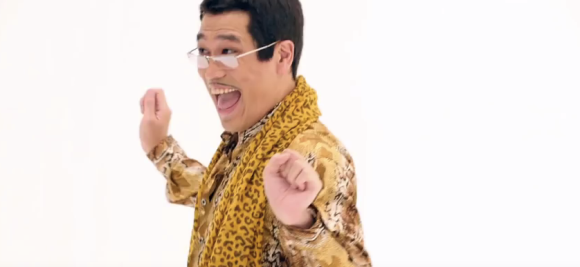
We’ve included some events and scandals that were big in Japan, so be sure to find out what they are!
It was tough deciding, but the RocketNews24 team of writers has settled on what we feel were Japan’s top ten events of the year. We organized our list more or less chronologically, from January to December. It certainly proved to be a year of surprises, so let’s take a look at the year in review.
1. SMAPの解散 – SMAP Break-up
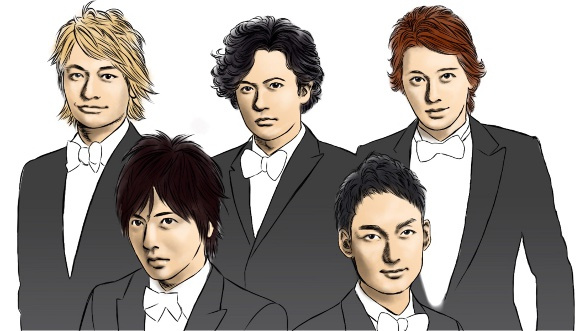
The big shocker to start off the Year of the Monkey was the rumor that the 25-year-running five-member boy band SMAP would be breaking up at the end of the year. The band was quick to deny the rumors and apologize to their fans, but in the end these denizens of the top of the charts did decide to split up.
It’s hard to imagine the J-pop world without the stalwarts who’ve reportedly sold over 35 million records. But being entertainers in their own right in not just music but also TV, radio, film and theater, means we’re still bound to see the members Masahiro Nakai, Goro Inagaki, Tsuyoshi Kusanagi, and Shingo Katori repeatedly in the future.
2. ベッキ – Becky
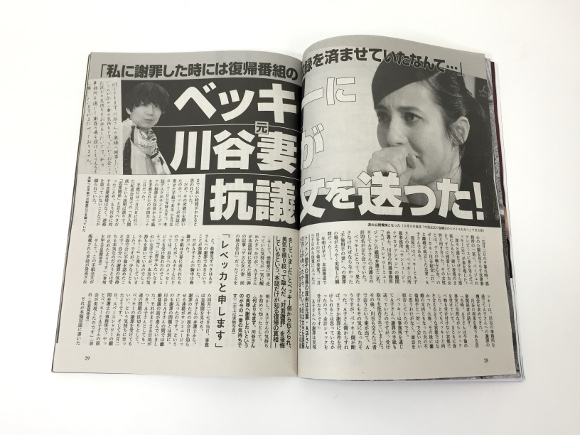
Another major event in the entertainment industry also unfolded in January when a torrid love affair took the nation by storm. The Japanese media relished covering the love woes of Japanese talent and TV personality “Becky.” One of our RocketNews24 writers points out that “Outside of Japan, people in show-business having affairs is pretty mundane and almost expected to some degree.” But Becky lost all her sponsors and TV show appearances (she appeared as a panelist on no less than 10 TV variety shows) on account of her affair with a married musician.
While many foreigners living in Japan might feel this is just hyped up non-news, nonetheless, the entire nation was in on the drama when Becky claimed she thought Enon Kawatani (of the band Gesu no Kiwami Otome) was single, when in actuality he was married. Kawatani admitted that he had married secretly, sans an official announcement. Becky made tearful apologies on TV, wrote a sorry letter to Kawatani’s wife, and endured a forced temporary leave of absence–all the usual Japan-worthy mental prison sentences.
Why Becky got all the bad PR and not the equally guilty Kawatani became a topic of debate, but having talked with some Japanese people myself, they were quick to point out that unlike Kawatani, Becky had an image of being sweet and pure, so many Japanese people felt let down. Uh-huh. There was also a question about whether she was paid by Shukan Bunshun for her story. Ohhh. At any rate, Becky is still struggling to return to her former level of popularity with the general public.
3. 熊本地震 – Kumamoto Earthquakes
A series of earthquakes rocked Kyushu’s Kumamoto region from April 14-16 this year, killing around 50 people and injuring over 3,000. Extensive damage to buildings and infrastructure endured in Oita and Kumamoto prefectures included the popular Kumamoto Castle. The quakes added to the woes of residents living near the active Mount Aso volcano that has regularly been experiencing small eruptions.
▼ Profits of these Kit Kats go to help earthquake victims.
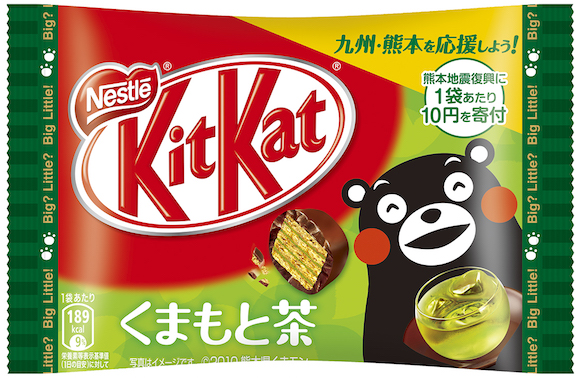
Within days of the first quake, food chains Yoshinoya and Sukiya had set up mobile kitchens and were distributing free beef bowls to victims. Nestlé Japan released a new flavor Kit Kat (pictured above) promoting the flavors of Kumamoto tea, a portion of the profits of which went to help the Kumamoto victims via the Japanese Red Cross.
4. オバマ大統領の広島訪問 – Obama’s visit to Hiroshima
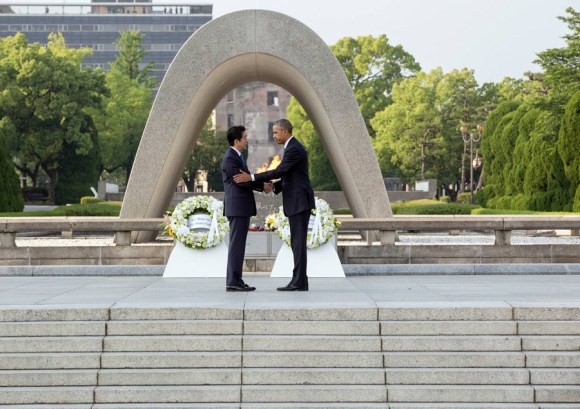
On May 27, the long-awaited visit by a sitting U.S. president was finally realized by the Japanese people when Barack Obama made a speech at Hiroshima, one of only two cities to have been hit by an atomic bomb. Since the Japanese people were not after an apology, but recognition of the event, Obama’s visit was seen as a historic step forward in bringing closure to past wartime aggression.
In addition, Obama’s call for a “world without nuclear weapons” was widely cheered here. The successful visit prompted Prime Minister Shinzo Abe to reciprocate with a visit to Pearl Harbor. Hiroshima City honored the presidential visit with one of its restaurants offering the Obama Bowl, a beef-bowl made with American beef and Hawaiian salt.
5. 日本憲法の再解釈 – Reinterpretation of the Constitution
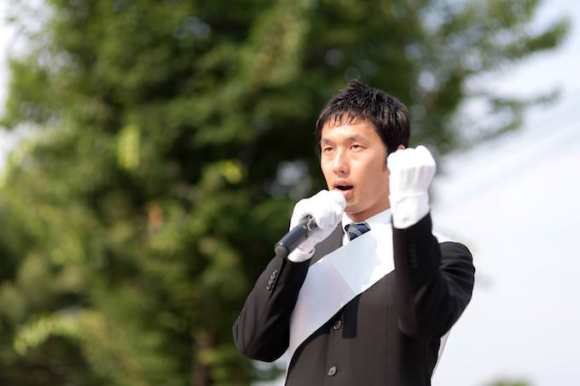
Shinzo Abe’s reinterpretation of the Japanese constitution continued to be major news in 2016, especially concerning the issue of collective self-defense. Unable to amend the constitution, Abe first introduced the idea of “reinterpretation” in July 2014 in response to increasing provocative actions by China and rising nuclear capabilities of North Korea.
The reinterpretation threatens Article 9 and Japan’s pacifist constitution represented by Japan’s Self-Defense Forces and supported by the significant American military presence. While Article 9 states that Japan will forever renounce war and only seek to defend itself from attack, the controversial collective self-defense reinterpretation, much to the consternation of some other nations, allows Japan to aid in the defense of its allies.
6. 退位問題 – Possible abdication of emperor
▼ The Emperor and Empress’s royal wedding, 1959.
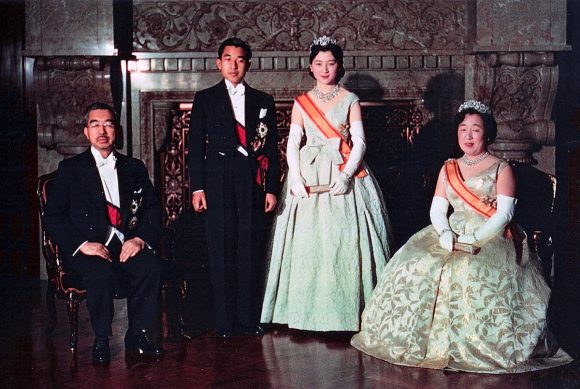
In July, Emperor Akihito, who inherited the throne after his father Hirohito’s death in 1989, expressed his will to abdicate. While the majority of Japanese people are empathetic and agree that their beloved emperor–who had worked tirelessly to heal the wounds of WWII–deserves a break from official duties, he would be the first monarch to abdicate in 200 years.
Previously when child emperors were common, abdication was not unusual, but in more recent times emperors have fulfilled their duties until death. As a result, no allowances have been made for a modern emperor’s abdication and panels have been formed to discuss how to deal with the situation. With health problems and failing memory, His Majesty wishes to hand the reins to his son, Crown Prince Naruhito.
7. ポケモンGO – Pokémon Go

Screenshot/GooglePlay/Pokémon Go (edited by RocketNews24)
The beginning of the summer saw the Pokémon Go phenomenon take root as people everywhere got out of the house and went searching for the augmented reality game’s characters in parks, streets, and even controversial places such as the Hiroshima Peace Park. Young and old alike tested out Niantic’s new game which allowed players to hatch eggs, battle at gyms, and graduate to different levels via the app on their smartphones.
The fact that the augmented reality game took much of the world by storm even before it was released in Japan prompted the Japanese government to issue safety warnings (including advice to be aware of heat stroke) before the Japan debut and we at RocketNews24 felt obliged to give some practical advice on six things players should watch out for in Japan. The most talked about game necessitated popular follow-up articles on everything from advice on hatching Pokemon eggs to offering the top sight-seeing spots in Tokyo to catch the little critters.
8. 小池 百合子とオリンピック – Yuriko Koike and the Tokyo 2020 Olympics
 (Wikipedia/Asao Tokolo, edited by RocketNews24)
The end of July saw the unprecedented election of Tokyo’s first woman governor, who quickly went to work fulfilling her campaign promises, among them paring down the costs of hosting the 2020 Olympics. The Summer Olympiad has been racked with bad press including controversy over the Olympic Stadium, earlier allegations that the original Olympic logo had been plagiarized, and continuing ballooning budgets.
Koike has promised more transparency in Olympic budgets, and as a result of her investigations, the costs for Ariake Arena have been reduced from ¥40.4 billion to ¥33.9 billion, the aquatics center from ¥49.1 billion to ¥29.8 billion, and the canoeing venue from ¥68.3 billion to ¥52 billion.
9. 君の名は – Your Name
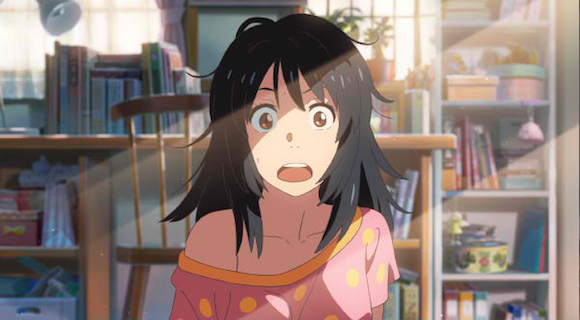
Anime film director Makoto Shinkai released Your Name which proved to be a hit both abroad and in Japan, earning it the highest accolades. The RocketNews24 writer who nominated Your Name for the Top Ten says the movie enjoyed completely unexpected levels of success, a product of its polished visuals and bittersweet romance angle coinciding with anime approaching mainstream acceptance level. It’s the first theatrical anime in a long time that doesn’t rely on otaku cred, kid-friendliness, or Studio Ghibli prestige, and the way it gives equal time to both the male and female lead’s perspective of the romance makes it arguably the first “anime date movie” ever. The continuing popularity of the movie seems to show that many people agree!
10. ピコ太郎 – Piko Taro and PPAP
YouTube/公式ピコ太郎歌唱ビデオチャンネル -PIKOTARO OFFICIAL CHANNEL-
Kazuhiko Kosaka (aka Daimaou Kosaka), but better known as Piko Taro, is the performer behind the ubiquitous Pen-Pineapple-Apple-Pen song (PPAP). Our RocketNews24 writer who nominated Piko Taro and PPAP says, “What started out as one bizarre hit turned into a number of mind-blowing spin-offs that included popular characters like Ryuk from Death Note, and Elmo and Cookie Monster from Sesame Street.”
Along with the PPAP Tokyo pop-up cafe and the fact that the song was awarded a Guinness World Record for being the shortest song to make the Billboard Top 100 in the U.S., Piko Taro was also believed to have been one of the influences on the Kanji of the Year for 2016, being designated 金 (kin) or gold (Pico Taro wears gold while performing PPAP). Released as a single in August 25 on YouTube, the video has gone viral, amassing over one million views per day. We think PPAP is a great way to end a tumultuous year!
There you have it: RocketNews24 picks for the top ten events in Japan for 2016. Let’s hope the Year of the Chicken will offer just as many golden eggs.
What event would you have nominated for the top ten list?
Featured Image: YouTube/公式ピコ太郎歌唱ビデオチャンネル -PIKOTARO OFFICIAL CHANNEL-
Sources: Japan Times, New York Times, Japan Today
Save
Save
Save
Save
Save
Save
Save
Save
Save
Save
Save
Save
Save
Save
Save
Save
Save
]]> https://soranews24.com/2016/12/28/rocketnews24s-top-10-japan-events-of-2016-did-your-favorite-make-the-list/feed/ 0 358889 screen-shot-2016-12-25-at-1-25-49-pm PicoTaro smap img_bekitop kitkat gahag-0099290084-1 __www-pakutaso-com_shared_img_thumb_ook82_kobushiwotukutteenzetu 1200px-crown_prince__princess__emperor_showa__empress_kojun_wedding_1959-4 screen-shot-2016-12-22-at-11-24-06-am olympics yourname Is Japanese language becoming less discriminatory towards women?【Women in Japan Series】 https://soranews24.com/2016/11/17/is-japanese-language-becoming-less-discriminatory-towards-women-women-in-japan-series/ https://soranews24.com/2016/11/17/is-japanese-language-becoming-less-discriminatory-towards-women-women-in-japan-series/#comments Thu, 17 Nov 2016 05:30:30 +0000 http://en.rocketnews24.com/?p=354349 
The status of women in Japan is changing and the Japanese language is being modified along with it. Let’s see how women are viewed these days by surveying some of the modern Japanese words used to describe them.
If you’ve been following our Women in Japan Series, you’ll know that we’ve been keeping our finger on the pulse of women’s status in Japanese society, documenting their highs and lows. So we were delighted when asked by Stone Bridge Press to take a look at their 30th Anniversary Edition of Kittredge Cherry’s 1980’s classic Womansword, the new edition which was officially released today.
 RocketNews24
You may have heard of Cherry’s revealing book, which was first published in 1987. It enjoyed a fair amount of readership in both the U.S. and Japan (where it was translated into Japanese as Nihongo wa onna o dō hyōgenshite kita ka). Womansword is still constantly referred to by feminists, documentarians and others concerned with women’s issues in Japan.
Language is a constantly evolving medium that reflects a society’s changing values. In this anniversary edition, the author notes some of the linguistic changes that have taken place that point to diverging stereotypes of the modern Japanese woman. Using Cherry’s book as a reference, let’s look at some of the Japanese terms that refer to women and see how they’ve changed over the past 30 years, and whether they’ve become more discriminatory, or less.
Which of these buzzwords have you heard, or not heard, before? Do you agree with them?
1. Out with the Christmas cake, in with the New Year’s Noodles 年越し蕎麦
▼ Toshikoshi Udon

Thirty years ago, women were labelled Christmas cake if they weren’t married by the age of 25. That age marker, nuanced by the 25th of December, is also the date after which a Christmas cake is considered old and stale, or past its use-by-date (and yes, they do eat Christmas cake in Japan!). While it’s refreshing that this term is no longer used, the nomenclature it has been replaced with is just as distressing: comparing a woman’s marriageable age to Japanese New Year’s noodles. These noodles, called toshikoshi soba, are eaten on December 31, the last day of the year. So the modern woman who is still unmarried at 31 has merely been given a life sentence six years later. And in addition to turning old and stale like Christmas cake, she’ll also, presumably, now become chewy.
2. Being a Dried Fish Isn’t so Bad 干物女

But there’s nothing wrong with chewy. Consider himono onna, which Cherry informs us is a label that describes some young unmarried women as “dried fish.” This means they are no longer in the market for a mate and have resigned to a more carefree and comfortable lifestyle where they–horror of all horrors–come home from work, kick off their heels, remove their make-up and don something comfy like faux fur cow pajamas or sweats before sitting down in front of the TV and slugging down a cold one! She may put on appearances when outside the house, but once she gets home, it’s all beer and TV (yay!). We can say arigato gozaimasu to the himono onna character from the manga “Hotaru no Hikari” for this one. If you’re left scratching your head and thinking, “But don’t all women throw off their fancy clothes and make-up as soon as they get home?” then perhaps you are a himono onna. With a squirt of lemon.
While the dried fish sobriquet seems a bit odd, you might be humbled to know that before raw fish was de rigueur in Japan, the gourmet food of choice was dried fish. Himono, often soaked in brine first, was sent from the coasts to the Imperial Court in Kyoto and was popular all the way up until the Edo Period (1603). Even now, only the very best himono is offered to the Sun Goddess at Ise Jingu shrine. A step above Christmas cake or New Year’s noodles, to be sure!
3. Here come the Meat-Eating Women! 肉食女子
Interestingly, no disparaging food comparisons apply to men who are not yet married at 30, although the rather sobering epithet shokudanshi or “herbivore men” describes the new milder, weaker, and less macho males of the current generation. These modern grazers could be considered incarnations of Munroe Leaf’s classic Story of Ferdinand where the young bull named Ferdinand prefers to just sit under a tree all day and smell the flowers while the tougher bulls are out showing their vigor in the bullfighting ring. Is it any wonder why Viagra has become such a hit in Japan?
▼Ferdinand the Bull

Screenshot YouTube/CartoonCrazy
So I suppose it’s not surprising that men no longer out to strut their stuff to the ladies are leaving the balance of power to the nishokujoshi, or meat-eating women–who are taking the lead and pursuing men on their own terms. These women definitely weren’t so numerous thirty years ago. So girls, will it be chicken or beef?
4. The Universe is the Limit for Rikejo–理系女子/リケ女
▼ One of the most famous Japanese women in science, Chiaki Mukai, who led the way for Japan’s current “science girls.”

Although the first women to attend university in Japan sat for the exams at Tohoku Imperial University in 1913, and Tokyo Institute of Technology’s first female science student enrolled there in 1931, traditionally, Japanese women have been discouraged from becoming scientists. After all, what man would want a smart woman who might join JAXA and leave him for the moon? Due in part to intensified recruitment by science departments at Japanese universities targeting women through science fairs and workshops, and partly due to government programs to fund scientific research by women, the stigma that the sciences are unfeminine is gradually dissipating and a growing pool of rikejo “science girls” can proudly forge careers in biology, chemistry, physics, astronomy, engineering and technology. These days, the universe is the limit and surely some day women will even jump over the moon.
5. Men appreciating food prepared by their wives: Aisai bento 愛妻弁当
Just when we thought we were getting out of the house and off to far flung locations beyond the stratosphere, married life in Japan threatens to put us back into the kitchen. With such rigorous wifely duties (including taking care of her husband’s elderly parents and performing the daunting task of parenting alone without any physical help from the husband) it’s no wonder more women aren’t jumping right into marriage let alone attempting to hold down full-time jobs at the same time. But once Japanese women do marry, they’ll have another alternative life of making bento lunches for their children to carry to school. And this is no PB&J sandwich slapped together at the last minute! The Japanese home-prepared bento is fancy, cute and nutritionally balanced, requiring many women to wake up early in the morning to cook the fresh morsels and arrange them aesthetically into the lunch box. Kids can expect treats disguised as pandas and little missives from mother that say “Do your best at school today!” hiding behind the tomatoes. Such are the pressures on Japanese mothers to parent even inside the confines of the lunch box.
▼Homemade bento rule #1: It’s gotta be cute!

And since devoted mother is already making these elaborate lunches for her children, we shouldn’t let all that talent go to waste: she may as well make one for her husband. Thus the new edition of Womensword includes aisai bento, or the bento lunch made by one’s loving wife! But aisai refers to the husband’s love for his wife, often a latent realization after years of marriage.
▼ Smiling tomatoes–that’s love for sure.

She may even lace this daintily prepared feast with hearts and chocolates. All I can say is save us all and don’t let Martha Stewart get a hold of this one!
If you’re a man, don’t tell me you’re not just a little bit jealous of the love that goes into making these. (Hmm, I wonder if she ever puts dried fish in them?). But be forewarned, if your wife isn’t happy with you that morning, she just may give you a revenge bento instead.
At any rate, the aisai bento surely leaves the old Meshi! Furo! Neru! (Food! Bath! Bed! the three things husbands are said to demand when they get home from work) in the dust. Maybe aisai furo will be next?
6. Staying active at 40 アラフォー
▼ Kimiko Date made her tennis come back “arafo.”

When a husband starts appreciating his wife’s aisai bento, she may be arafo, or around 40. Perhaps older. Arafo is used to describe active women between the ages of 35-44. Tennis player Kimiko Date was arafo when she made her comeback in tennis while in her late thirties.
Arafo doesn’t have the negative connotations that obatallion does, an epithet used to describe pushy and demanding middle aged women (think of the ladies who rush on to the train to get a seat first!). The word arafo surfaced around 2008 because of a popular TV show called Around 40 on TBS about the single lives of women of this age, perhaps to the same effect that the TV show Thirty-Something had years ago in the U.S.
7. Shining women are all the rage 輝く女性
▼ Yuriko Koike, Tokyo’s first woman governor.

One of the most popular terms being bantered about in the media these days is kagayaku josei, or shining women, which refers to Prime Minister Shinzo Abe’s economic strategy called womenomics, in which he aims to put more women in management positions and to make the Japanese workplace a place where “every woman can shine.” Cherry tells us, however, that Abe wasn’t the first one to use the word womenomics to describe a labor and economy enhanced by the addition of more women. That distinction goes to Kathy Matsui who worked for Goldman Sachs. Some women took offense to the metaphor of shining women (after all, hasn’t anyone noticed that we already shine?!) but the moniker has nonetheless proven popular.
Although Abe has been largely ineffective in securing more urgently needed daycare facilities and creating a more flexible work place for women with children, strides have been made in making more leadership positions open to women. Now, if they could just get the time off of housewifery to fill them!
On Aug. 6, 2016 Yuriko Koike became the first woman governor of Tokyo (although she has served in numerous Cabinet positions since 2003). Yeah, Koike is definitely (still) shining!
Looking at these modern Japanese words to describe womanhood, it becomes obvious that we’ve come a long way, baby! On the other hand, we still have so far to go…
For more fun and insight on Japanese words that describe women, be sure to check out Kittredge Cherry’s 30th Anniversary Edition of Womenswords.
Sources: Tokyo Institute of Technology, Japan Times, New York Times, Womansword: What Japanese Words Say About Women.
Featured image: Pakutaso
]]> https://soranews24.com/2016/11/17/is-japanese-language-becoming-less-discriminatory-towards-women-women-in-japan-series/feed/ 0 354349 pak13_moshimoshiol20131019_tp_v pak13_moshimoshiol20131019_tp_v womansword 5309681490_485c9da444_z 0i9a4769isumi_tp_v screen-shot-2016-11-16-at-12-34-14-pm chiaki_mukai 8208653666_a343af8609_z 3299995834_00cbe9efc2_b 800px-kimiko_date_krumm_2010_toray_pan_pacific_open-4 639px-yuriko_koike_-_world_economic_forum_on_the_middle_east_2008 Four more things women are banned from doing in Japan【Women in Japan Series】 https://soranews24.com/2016/10/21/four-more-things-women-are-banned-from-doing-in-japan%e3%80%90women-in-japan-series%e3%80%91/ https://soranews24.com/2016/10/21/four-more-things-women-are-banned-from-doing-in-japan%e3%80%90women-in-japan-series%e3%80%91/#comments Thu, 20 Oct 2016 15:00:48 +0000 http://en.rocketnews24.com/?p=350761 
We’ve talked before about a few of the discriminatory measures against women in Japan, but there are still a few more. Let’s take a peek!
Last time, in our Women in Japan Series, we looked at jobs, rituals and accommodation options that impose bans and semi-bans on females. Today, we turn our attention towards laws, religious practices and an island down south, where we begin our journey into four more things women are banned from doing in Japan.
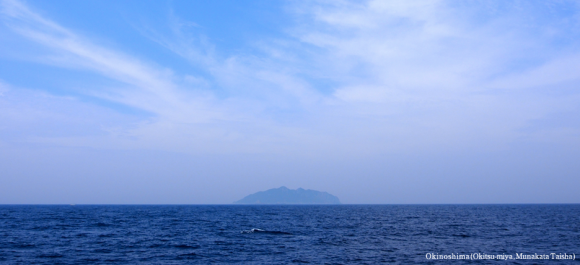
1. Visiting Okinoshima Island
 Screenshot: YouTube/munakatakao
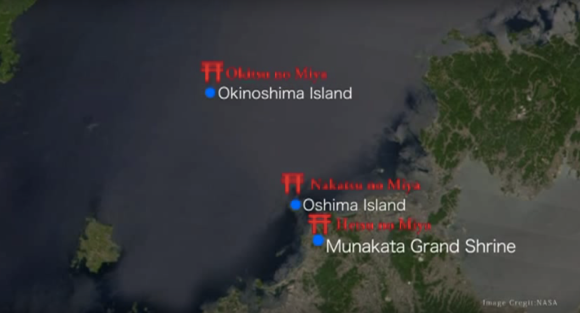
Okinoshima, off Kyushu, is a tiny 0.7 square kilometer (70-hectare) island, a mere dollop of primary forest sandwiched between Korea and Japan in a 200-kilometer (124-mile) stretch of the Genkai Sea. The island was traditionally visited by seafarers trading goods between China, Korea and Japan and provided a place to beseech the gods for safe passage. Over 80,000 relics, now designated national treasures, have been unearthed on the island, including 23 ruins and their associated rituals, some of which date as far back as the late fourth century. The mysterious island is one of Japan’s sacred places, and is inhabited by a goddess, yet women are banned from visiting. Women may worship, but only from neighboring Oshima Island, where they can look out at Okinoshima Alcatraz-style from a building several kilometers away. No news as to whether rental binoculars are available or not.
So it’s a wonder Japan would invite attention, and likely international criticism, by nominating Okinoshima and the related sites in the Munakata region for 2017 UNESCO World Cultural Heritage status. I sense a storm brewing.
Interestingly, in a tourism video for Okinoshima, the authorities thought it would be best to use a female narrator to read verbatim, in monotone, from a carefully prepared script that describes the island she is prohibited from ever setting foot on.
▼The Munakata Grand Shrine includes Hetsu no Miya Shrine, Nakatsu no Miya Shrine (Oshima Island), and Okutsu no Miya Shrine (Okinoshima Island).
 Screenshot: YouTube/munakatakao
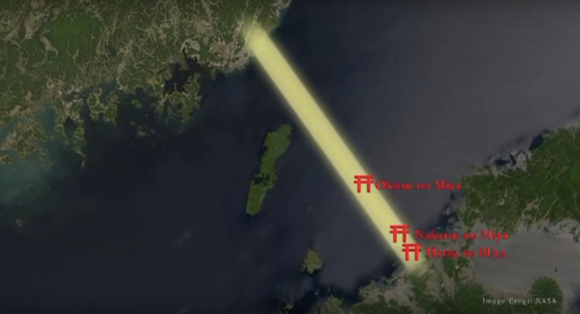
▼This photo shows how the shrines line up in a fortuitous line connecting Kyushu with the rest of the Asian continent.
Screenshot: YouTube/munakatakao
The good news, if there is any, is that in the event that Okinoshima obtains UNESCO World Cultural Heritage status, all tourists, male and female, will likely be barred from visiting the island in order to preserve its original sanctity as a remote place of worship, removed from most of the world.
2. Ascending the Imperial Throne
 Wikimedia Commons/Philip Nilsson
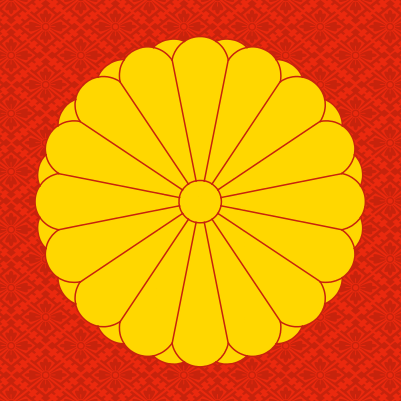
According to the Imperial House Act, females of the household cannot become emperors. For a while, since the current emperor had no grandsons, it seemed like Japan was destined to change and allow a woman to ascend the Chrysanthemum Throne in order to keep the Imperial Family extant. With no male heir in line to the throne, surveys of the Japanese public repeatedly showed that the majority were in favor of allowing a female emperor. But the glass ceiling of the Imperial Household remained intact due to the 2006 birth of Prince Hisahito, the emperor’s grandson, effectively ending any discussion of adopting a more epicine throne. Although there have been female emperors in the past (as recently as 1770), such monarchs were unique in that they had no children, which is where the discrepancy lies. Females in the Imperial family lose their royal status if they don’t marry another member of the Imperial family. Right now, with just 23 members in the Royal family, it is so small that the only choice for an Imperial heiress is to marry outside the clan. Since the world’s oldest monarchy depends on blood lines of male progenitors’ lineage, the Imperial House Act is unlikely to ever change unless threatened with extinction.
3. Retaining a surname different from her spouse’s
In Japan, the koseki 戸籍 family registry system records all legal family relationships (births, deaths, marriages, divorces, adoptions, etc). In the case of a marriage, one spouse must legally assume the other’s surname and be listed on that person’s registry. Thus, two married Japanese people cannot maintain separate surnames. When a woman marries, she must either take the name of her spouse, or her spouse must take hers. There are certainly cases when the man takes his wife’s name, but these instances are mostly limited to those women who have no male siblings in order to carry on the lineage of her own family’s name. As a result, in the majority of marriages, it is the woman who is expected to take the husband’s name. The koseki system is often cited as discriminatory towards women, who may want to retain their maiden names in the workplace for business or career reasons but are prevented from legally doing so.
When a woman took her case to the Supreme Court last year to protest this rule, the court upheld the provision, declaring the koseki law “constitutional.” In principle, however, many Japanese women continue to use their maiden names throughout their careers.
4. Participating in certain Shinto celebrations
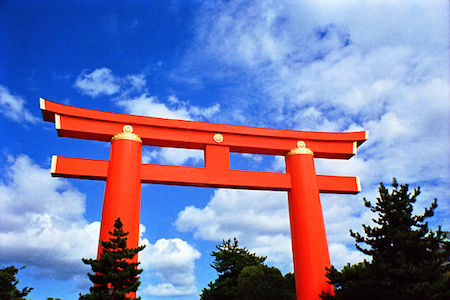
Women have been banned from certain Shinto, Buddhist or Shugendo religious practices in Japan over the centuries, including, until recently, being banned from participating in the famous Gion Matsuri in Kyoto. While time and gender equality have helped change most of these denunciations, there are still some Shinto and Shugendo rituals where nyonin kinsei, the banning of women, is still enforced. In addition to nyonin kinsei on Mount Omine and Okinoshima Island, there are still Shinto ceremonies in which women aren’t allowed to participate. Even in the small community where I live, the annual Myoken Shrine ceremony is closed to women. However, due to the current depopulation trend and the fact that women tend to live longer than men, there just aren’t enough men around to pull off the ceremony by themselves. So they are going to let women attend, mainly out of necessity.
Interestingly, nyonin kinsei hasn’t always been a traditional part of Japanese society. Japan’s native Shinto faith where death and blood are dirty–called kegare–gave rise to a long tradition of purification rituals. Women began to be associated with kegare because of menstruation but this only crept into the religious ethos near the end of the Heian Period (794-1185). According to Naoko Takemaru in her book “Women in the Language and Society of Japan: The Linguistic Roots of Bias”, during the Kamakura Period (1185-1333), the idea that women were kegare was extended further to mean men were superior to women (danson johi), a concept that took hold among the Edo samurai classes (1603-1867). But it wasn’t until the Meiji Period (1868-1912) that it was widespread, serving to complement the introduction of the new patriarchal family system that made the eldest son the head of the household. This family system was abandoned after WWII but danson johi still manifests itself in likely places such as religious dogma and places where people traditionally already struggle for power such as in business and politics.
One of the reasons, I feel, that nyonin kinsei still exists in Japan today is that modern Japanese women don’t really care if they can’t participate in certain religious rituals. Many tasks in Japan are antediluvian divisions of labor between males and females and women don’t necessarily feel these conflict with their desires. If anything, in smaller communities such as my own, which is so dependent upon everyone’s joint efforts, inclusion increases a woman’s responsibilities and obligations. As the country moves further away from religion as a part of every day life, it’s no wonder women are quite happy not having to participate in more religious activities. Ban women from entering cake shops, however, and you can expect a coup.
In these modern times, more than nyonin kinsei, danson johi is by far the greater evil.
©RocketNews24
Sources: The Japan Times, YouTube/munakatakao, Wikipedia, Christoph Brumann, “Tradition, Democracy and the Townscape of Kyoto: Claiming a Right to the Past.” Naoko Takemaru,”Women in the Language and Society of Japan: The Linguistic Roots of Bias.”
Top Image: Flickr/Big EUG
]]> https://soranews24.com/2016/10/21/four-more-things-women-are-banned-from-doing-in-japan%e3%80%90women-in-japan-series%e3%80%91/feed/ 0 350761 screen-shot-2016-10-17-at-14-06-56 screen-shot-2016-10-15-at-8-05-02-am screen-shot-2016-10-14-at-1-13-21-pm screen-shot-2016-10-14-at-1-13-46-pm mon-imperial 640px-torii_gate 8 Reasons Japan is so clean: the wa of cleanliness https://soranews24.com/2016/09/19/8-reasons-japan-is-so-clean-the-wa-of-cleanliness/ https://soranews24.com/2016/09/19/8-reasons-japan-is-so-clean-the-wa-of-cleanliness/#comments Mon, 19 Sep 2016 13:00:24 +0000 http://en.rocketnews24.com/?p=344737 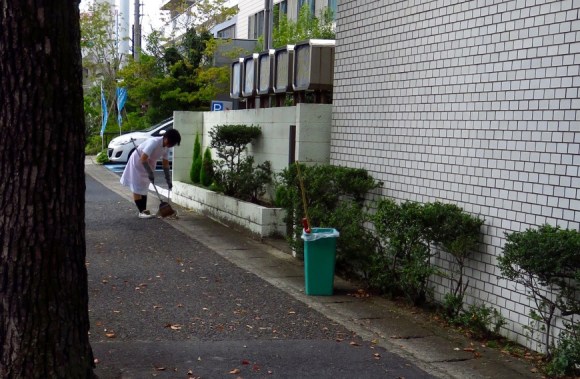
Japan must be one of the cleanest countries in the world. What’s behind it all? Find out what makes Japan so pika-pika!
While Japan has some environmental problems it has yet to thoroughly understand and tackle, such as garbage in the Seto Inland Sea, overall, it’s a pretty clean country. The cities in particular are extremely well looked after. Grafitti is rare, people seldom throw trash on the ground and there are no signs warning of a hefty fine if you do. While not all Japanese people are as persnickety about leading clean and uncluttered lives like their well-known compatriot Marie Kondo, when it comes to public cleanliness, Japanese cities habitually shine.
In Japan there is definitely a prevailing idea that clean is good. From children having to clean their own schools to ritualized shinkansen cleaning, it doesn’t take long for a tourist to suspect there is something behind all these sweeping, wiping, sanitizing busy bodies who don’t lick stamps and who take shoes off before entering a building.
Here are a few insights into the culture of cleanliness.
1. No public trash cans? No problem!
▼ Two men wait in line with their garbage to get on the ferry after a barbecue party on the beach on Shiraishi Island.

One of the first things you may notice when the set foot in the country is that there are few public garbage bins once you leave the train station. In my country, I’m pretty sure the reason we have so many public trash cans is to discourage people from just throwing stuff on the ground. But generally Japanese people don’t expect others to take care of their waste They’ve been taught that you should always take responsibility of your own mess and take any garbage you create home with you to dispose of.
2. Tidy garbage
▼ An individual trash bag is provided for every seat in long-distance buses.
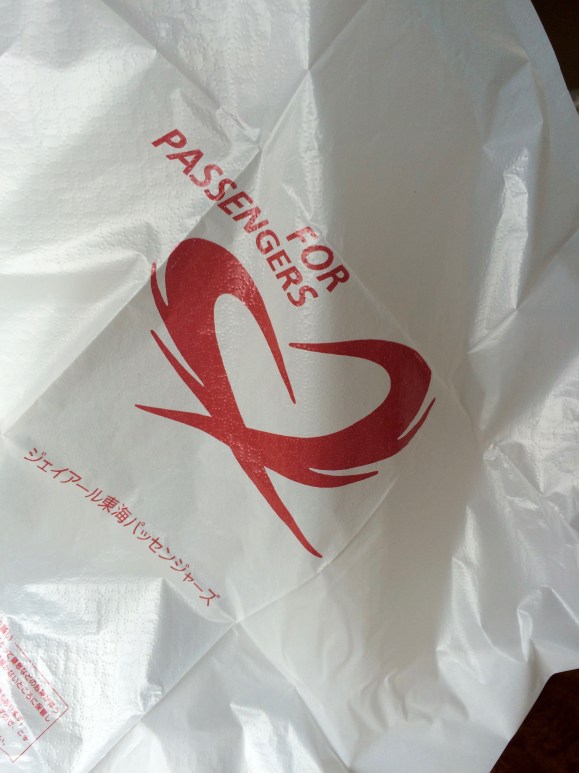
One reason you receive a bag at a convenience store even when you order just one or two items is that the bag helps you keep everything in one place, even after the contents of the bag become garbage. Who wants to put an empty drink can or dirty yogurt cup in their purse or backpack until they can find a trash can? No one, which is why having that plastic convenience store bag encourages people to pitch their refuse properly. In long distance buses, an individual trash bag is provided at every seat with the express purpose of encouraging people to use it for their trash (and probably to take it home) rather than just tossing it on the floor or leaving it behind on their seat.
While it does seem like a waste of plastic, it helps remind people to mind their manners. And if you’re concerned about the environment, you’ll use your own bag for your garbage and leave that plastic one for someone who might truly need it.
3. Private homes and businesses are expected to keep their areas clean
▼ A nurse sweeps up fallen leaves outside a medical clinic.
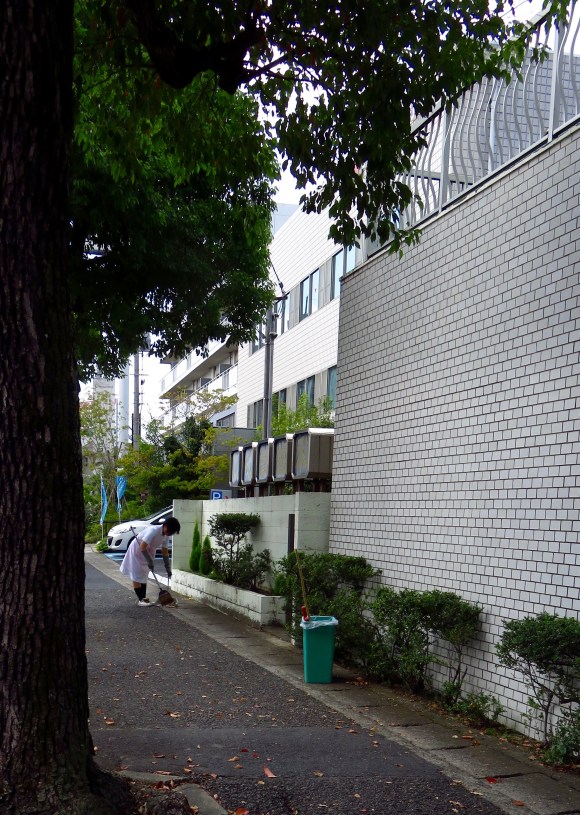
Why would you need street cleaners when you have a potentially endless source of inhabitants to pool from in the buildings along the sidewalk? Every morning you’ll find various people in Japan sweeping up around their house or place of employment. These are not building maintenance workers, but shop keepers, office men, nurses, etc.
▼ An office employee sweeps up outside his building at lunch time.
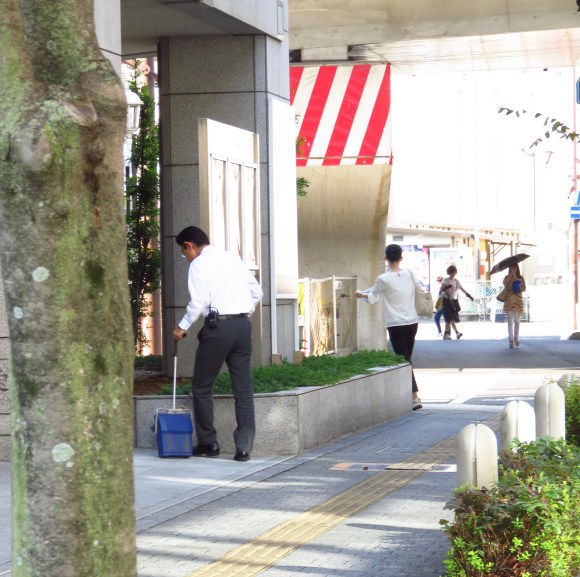
4. There is an art to tossing things asunder
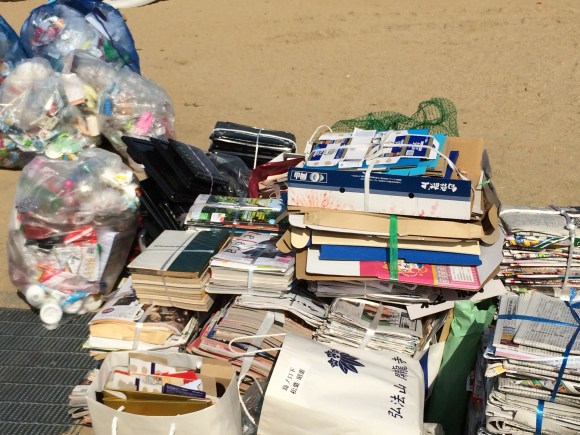
When it comes to household waste, you schlep your bags to the neighborhood’s designated curb yourself. On recyclable garbage days you’ll be expected to separate your garbage mindfully. And just to make sure you do, neighbors take turns overlooking the whole process (called gomi toban). Didn’t separate your newspapers from your magazines before stacking them on the pile? Didn’t rinse that soy sauce jar before tossing it in the recyclables bin? Tsk, tsk. You’ll have to take it back.
5. Volunteer litter cleaning organizations help keep awareness
▼ Volunteers from Greenbird Okayama, a non-profit organization, pose after a morning clean-up in the city (note their uniforms and gloves — always gloves!)
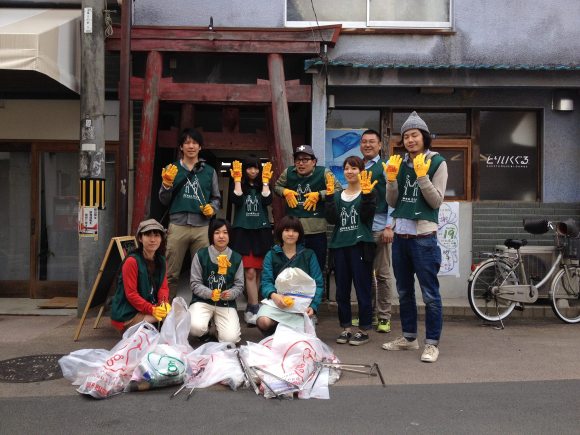
These NPOs take the pursuit of litter to an unprecedented level. Greenbird, an organization that can be found in many prefectures throughout Japan, invites citizens to regularly clean high traffic areas of the city such as near the train station. I joined this group once and was shocked. I thought we’d be picking up empty beer and soda cans, fast food wrappers etc. But no, we lifted tiny little pieces of paper off the dirt with tongs and collected cigarette butts that were hiding behind shrubs. Most of it was detritus that you could hardly even see. But that’s the idea–clean it up before it becomes noticeable. And people are less likely to leave a mess in orderly places than they are messy ones.
There’s a Greenbird branch in Singapore (no surprises there) and the Japanese organization has even taken their skills to Paris!
6. Immaculate Public Transportation is the norm
▼ A typical sparkling day at Kyoto’s train station
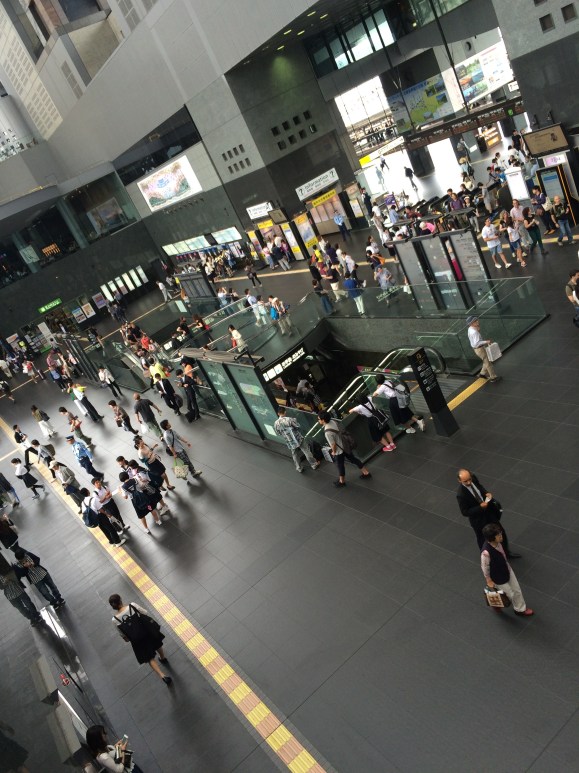
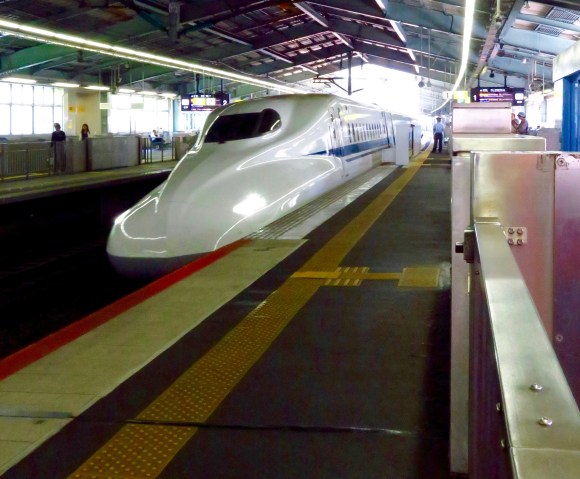
▼ The always gleaming shinkansen train
▼ Station cleaners even scrape up gum off the floor.
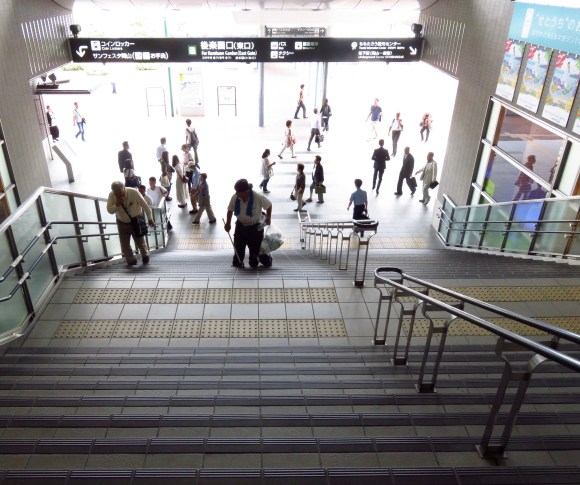
‘Nuff said!
7. Cleanliness–even on the road
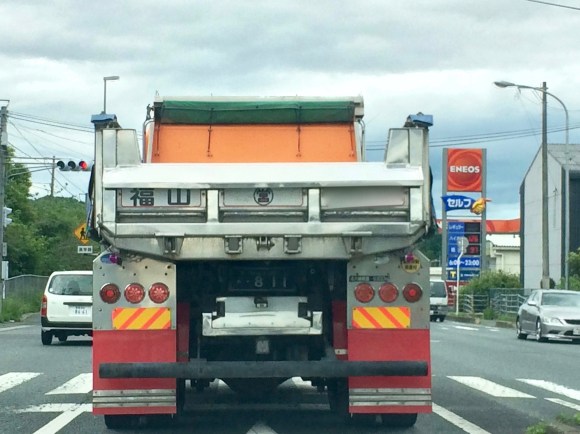
One of the things that surprised me when I first came to Japan was that even commercial trucks, such as those used in construction, cement-making and dirt hauling, are kept meticulously clean. Every night after their shift, truck drivers are careful to wash down their vehicles. Those semis on the highways are spotless, the chrome polished, because their drivers take pride in having beautiful sparkly vehicles.
And let’s not forget the white-gloved taxi drivers, polishing their chariots as they wait for the next passenger.
8. Neighborhood clean-ups

If you live in Japan, you’re bound to be asked to join regularly scheduled (and semi-obligatory) community clean-ups in your neighborhood. At these preset times, sometimes as early as 7 a.m. so people can participate before they have to go to work, neighbors don gloves, carry shovels, scythes, rakes and clippers and collectively clear the street drains, cut back the trees, weeds and grass and generally tidy up the surrounding area, including small parks and public toilets. A little bit of help goes a long way and residents can take pride in their neighborhood. It’s just part of the clean and tidy culture and also helps neighbors bond together as a community.
There are many more reasons why Japan is so clean, but these are just a few we wanted to share with you. And more over, they seem to work!
Let us know what you’ve noticed about cleanliness in Japan in the comments section.
All images ©Amy Chavez/RocketNews24 unless otherwise noted
]]> https://soranews24.com/2016/09/19/8-reasons-japan-is-so-clean-the-wa-of-cleanliness/feed/ 0 344737 nurse nurse img_1381 plasticbag nurse img_2339-1 img_2749 greenbird kyotostation img_1684-1 img_2332-1 img_0630-2 screen-shot-2016-09-16-at-1-22-05-pm 10 things you didn’t know about geisha https://soranews24.com/2016/05/17/10-things-you-didnt-know-about-geisha/ https://soranews24.com/2016/05/17/10-things-you-didnt-know-about-geisha/#comments Tue, 17 May 2016 13:00:24 +0000 http://en.rocketnews24.com/?p=320829 
We’ve talked before about geisha as one of Japan’s distinctly female professions, so this time we’re going to share with you a few fun facts about the geisha and their floating world.
How many of these things did you know about geisha?
1. In their heyday, geisha were fashion trend-setters and were even used to promote beauty products.
▼ Yukioe woodblock print of a geisha (early 1800s).

Geisha were subjects of woodblock prints, kabuki plays and they became role models for Japanese women. Many people even collected geisha photo cards.
2. Geisha have traveled abroad to perform for audiences around the world.
 ©Peter Macintosh
3. Geisha also entertain women.
▼ Geisha perform in the Miyagawa-cho district in Kyoto.
 ©Peter Macintosh
Contrary to popular belief, geisha are not just for men! They also entertain female clients who revere them as models of feminine grace. In addition, they perform publicly at designated times during the year.
4. Geisha are treated like celebrities in Japan
 ©Peter Macintosh
It’s unusual even for Japanese people to get a chance to see geisha or be entertained by one in private unless they are a politician or business executive.
5. Young girls who decide to become geisha at a young age will opt out of high school so they can begin their training.
YouTube (Real Geisha Real Women)
They then become apprentices in boarding houses called okiya where they continue their education.
6. The younger the woman, the more red she wears.
 ©Peter Macintosh
Have you ever wondered why geisha paint their faces white? The traditional colors used for make up are black, white and red, all of which provide a striking contrast to the colors in their kimono.
 YouTube (Real Geisha Real Women)
However, Peter Macintosh who teaches geisha culture at Kansai University in Japan adds: “They started wearing white make up so their faces would reflect in the candle light.”
7. Geisha are mostly dressed by males called otokoshi.
 YouTube (Real Geisha Real Women)
While geisha (also called maiko or geiko in Kyoto) apply their own make-up, otokoshi have the skilled task of dressing them.
8. Their brooches can cost up to US$40,000 each.
 ©Peter Macintosh
Decorative obi (belt) ornaments, called pochhiri are often studded with precious or semi-precious jewels and start from US$5,000.
9. Geisha can never completely relax, even at home.
▼ Ditto when bowling.
 ©Peter Macintosh
The pressure and expectation to be models of proper manners never abates. “If I want to just lie on my side and watch TV I can’t because I am always supposed to sit up straight,” says a geisha in the documentary ‘Real Geisha Real Women.’ “If I go up to my room, my younger sister is there. She would remind me that as her senior, I am setting a bad example.”
10. Ryotei or ochaya (members-only tea houses) are exclusive venues where geisha perform.
▼ A sign indicating an ochaya in Kyoto.
 ©Peter Macintosh
These restaurants and tea houses are places where VIPs can go to make deals and know they are in complete privacy.
Source: NHK’s Begin Japanology, YouTube (Real Geisha Real Women), Facebook (Real Geisha Real Women), Kyoto Sights and Nights, Peter Macintosh
Photos: Courtesy Peter Macintosh, edited by RocketNews24
]]> https://soranews24.com/2016/05/17/10-things-you-didnt-know-about-geisha/feed/ 0 320829 screen-shot-2016-05-16-at-2-54-36-pm Screen Shot 2016-05-16 at 2.54.36 PM Brooklyn_Museum_-_Beauty_-_Gion_Seitoku IMG_9236 IMG_1908 IMG_2494 Screen Shot 2016-05-16 at 2.54.36 PM 20080007 make-up (1) otokoshi brooches IMG_1022 IMG_7846 8 Japanese gadgets you wish you had in your country! https://soranews24.com/2016/04/29/8-japanese-gadgets-you-wish-you-had-in-your-country/ https://soranews24.com/2016/04/29/8-japanese-gadgets-you-wish-you-had-in-your-country/#comments Fri, 29 Apr 2016 01:00:37 +0000 http://en.rocketnews24.com/?p=314678 
The Japanese are known for being incredibly efficient, so you’d expect them to also have the most efficient gizmos. Today, we’re looking at eight Japanese gadgets that we’ve become so dependent on, we can’t live without them!
Here they are, in no particular order:
1. Kitchen Gadgets
Japan has a lot of great kitchen gadgets such as radish graters and tamagoyaki pans, but the one people voted most convenient? The humble Japanese rice cooker! Even Chinese tourists buy these to take home after a visit to Japan. You can make anything from pancakes to steamed vegetables and, of course, rice, and even the cheaper models have things like built-in on/off timers and settings to keep your cooked rice nice and warm.

2. Toilet gadgets
Japan’s Washlet toilets are famous the world over. Their elaborate functions allow you to have a more hygienic lavatory experience. But what is the number one device even Westerners are known to buy here and take back home? The heated toilet seat! As long as you have an electrical outlet in your bathroom, you can affix one of these to any privy and ensure a toasty warm bottom with every sit.
▼ How warm would you like your buns to be? Low, medium or high?

3. Shower gadgets
Many of us come from countries that use the imperfect two-knob shower system where you adjust one for hot water and one for cold, mixing them to get the correct shower temperature. In Japan they use an automatic temperature control lever on the shower, or a button on a unit mounted on the wall, that sets the temperature to the exact degree you want. No finicky adjusting!
▼ Set your perfect temperature for either your shower or bath, then just turn on the water.

They also use short foot-high stools (30 cm) to sit on while showering so you can sit down and relax while performing your ablutions. In this position, you can more easily scrub the bottoms of your feet, shave your legs, or wash your face. It’s got to be safer too—no more slipping in the shower.
4. Bath gadgets
Soaking in a hot bath is a nightly ritual for Japanese people (and takes place immediately after showering, so you’re clean when you get into the tub), so it’s not surprising they’ve come up with a multitude of ways to reuse clean bath water. Perhaps the most ingenious contraption for the bath is a tube that allows you to siphon the leftover bath water into the washing machine to wash clothes.
▼ Many people have washing machines in or next to their bathrooms, so you can just stretch this special hose over to the bath to recycle the bath water.

5. Massage gadgets
Asia loves massage, and Japan is no exception. Most families seem to have a slew of self-massaging appliances from electric neck massage pillows and foot massage gizmos to full-body massage chairs, all with a plethora of adjustments to set the length of time, type of massage, and amount of pressure. And they work!
▼ Heaven for tired feet! 
6. Automating gadgets
Almost all stores in Japan have automatic doors. If they’re not completely automatic, they only require a simple touch of a finger on the door to activate the sensor that opens it. Surely these doors help temper the spread of flu viruses! Sensor lights are also common which makes it a seamless experience to walk from room to room, even when going down the hall to the restroom in a building. On some of Japan’s bullet trains, you don’t even have to touch the toilet seat—just touch the sensor to lower the seat.

7. Warming Gadgets
Japan’s houses can be cold in wintertime, which has spurred the creation of an array of warming doodads you probably never knew you needed such as futon/bed warmers and microwaveable slippers. While central heating is preferable to having to warm individual body parts, some of these apparatuses we’ve become so accustomed to that we want them all the time! The king of all body-part heaters is the kotatsu!
▼ The kotatsu looks like this on the top (left), but underneath has an electric heating element (right).

Snuggle under this thing with your cat, and you’ll likely never want to leave the house!
8. Light Gadgets
Although we love the universal ceiling fittings that all houses in Japan use so you can easily clip in your old hanging light into the fitting in your new abode without rewiring, one of the most favored light novelties is something different. Each hanging light, not only has three levels of brightness, but each has a tiny bulb setting which is just barely enough light to be able to see at night without turning on a bright light. Just keep the tiny bulb setting on all night and there will be no fumbling around for light switches in the dark when you make a trip to the toilet or when stealthily making a side trip into the kitchen for a midnight snack!

It’s the little things in life!
© RocketNews24
]]> https://soranews24.com/2016/04/29/8-japanese-gadgets-you-wish-you-had-in-your-country/feed/ 0 314678 Screen Shot 2016-04-28 at 12.19.25 img_1480-e1461724125278 toiletseat IMG_1507 tube footmassager IMG_0021 kotatsu light An island-hopping visit to the Setouchi International Art Festival! https://soranews24.com/2016/04/22/we-rock-the-setouchi-international-art-festival/ https://soranews24.com/2016/04/22/we-rock-the-setouchi-international-art-festival/#comments Thu, 21 Apr 2016 23:30:55 +0000 http://en.rocketnews24.com/?p=315850 
The Setouchi Triennale Art Festival takes place every three years on the art islands of Japan’s Seto Inland Sea–and this year is a festival year! Let’s check it out!
Previously listed in our top 8 Japan events to look forward to in 2016, this year’s festival promises to bring some of the world’s best contemporary art to Japan. Being Japan, the festival is defined by seasons, of course, and while the spring art festival has just ended, the summer and autumn festivals are still to come. In addition, you can still see a lot of art between seasons as there are permanent exhibitions as well as several art museums that are open year-round.
The extravaganza involves over 200 exhibits on a network of a dozen islands in the Seto Inland Sea, also called the Seto Naikai (or Setouchi, from which the name of the festival is taken). If you’ll be spending a few days island-hopping during the festival, you might want to get a three-day ferry pass (2,200 yen or US$20) which can save you a bit of money depending on how many islands you’re planning on going to. You’ll also want to buy a “Setouchi Triennale 2016 Passport” (5,000 yen or US$46) which entitles you to a one-time free entry into most of the exhibits.
▼ Setouchi Triennale 2016 “Passport”

We managed to fit in 25 exhibits although many of them were outdoor exhibits which you don’t really need a passport to see. But the pass is valid for the rest of the year which gives it additional value.
We spent an inspiring three days visiting Teshima, Ogijima and Naoshima. We started our trip from Takamatsu (Kagawa Prefecture) on the Shikoku side of the Inland Sea and ended at Uno (Okayama Prefecture), on the Honshu side.
Note: Many of the indoor exhibits prohibit photo-taking. It can be confusing because sometimes there is only one sign, and you may not see it even if you’re looking for it. I asked before I entered each exhibit and am displaying photos only where I was specifically given permission—there’s lots more to see!
Takamatsu Port 高松港
At Takamatsu Port there is art, just to get you into the mood.
▼ Shinji Ohmaki –“Liminal Air-core-”

▼ Lin Shuen Long–“Beyond the Border…”

Tip: If you’re heading to several different islands, you’ll find yourself back at Takamatsu to change ferries. This also means there will be layovers.
Teshima 豊島 (ferry from Takamatsu 1,330 yen one way)
▼ Pipilotti Rist–“Your First Color”

This exhibit is reminiscent of the very first “Art House Projects” on Naoshima which took old abandoned Japanese houses and used them as venues for art. In this one, Rist bathes the entire house in a purplish pink color and projects an image onto the ceiling from below which you look through broken roof beams to see. Notice how even traditional items such as a basket take on a different feeling when their color is changed.
▼ Ryue Nishizawa and Rei Naito–Teshima Art Museum

This museum, which includes indoor and outdoor elements, was created by an artist and architect team. The museum grounds is set among a background of rice terraces. Unfortunately, the museum is not included in the passport, but with the passport you do get a discount entry fee of 1,000 yen (US$9) which gets you into the outdoor exhibit, the cafe and the gift shop also.
▼ Christian Boltanski–“Les Archives Du Coeur”

Boltanski’s exhibit is divided into two separate experiences, both involving the listening to heart beats. In the first room you can experience the resounding pulsing of a heart beat syncopated with a pulsating light. In the second room, you can sit while looking out at the Inland Sea while listening to heart beats through ear phones. You can also record and register your own heart beat–for 500 yen (US$4.50) extra–for people to listen to.
Tip: Teshima is a big island, so don’t waste time galumphing around trying to find the sites; take the bus instead. The buses go clockwise and counter-clockwise around the island, and you can hop on and off wherever you want. It’s 200 yen (US$1.80) each time you ride the bus, no matter the distance.
Ogijima 男木島 (ferry 510 yen one way)
Next we went to Ogijima, our favorite island because it has lots of exhibits and you can walk to them all. We stayed overnight here too, which allowed us to get night photos as well as early morning shots.
▼ Jaume Plensa–“Ogijima’s Soul”

We were the first people in the morning to see some of the more popular exhibits.
▼ Keisuke Yamaguchi–“Walking Ark”
▼ Takeshi Kawashima–“Kaleidoscope Black and White”

Imagine walking into a house completely covered with these black and white designs! That’s what you’ll find in Kawashima’s exhibit. Even the floor and Japanese doors were covered in it.
▼ Mayumi Kuri–“Memory Bottle”

▼ Haruki Takahashi–“Sea Vine”

You really have to see this to appreciate it. The artist has made an entire network of vines out of porcelain and then hung the entire fragile contraption from the ceiling so it appears to float. If you look closely, you can see the thousands of little strings hanging from the ceiling that are attached to the vines.
▼ Oh, and did we mention that Ogijima is a cat island?

▼ You’ll find the adorable, but shy, island felines hiding here and there.

Tip: There are two places to stay on Ogijima. Madoka Minshuku overlooks Ogijima Port. Sakura Minshuku is on the other side of the island, a bit of a walk if you have luggage, but close to “Walking Ark.”
Naoshima 直島 (from Uno 290 yen, from Takamatsu 520 yen)
▼ Yayoi Kusama–“Red Pumpkin”

This pumpkin, by one of Japan’s most famous contemporary artists, Yayoi Kusama, is the first thing you’ll notice when coming into Miyanoura Port on the ferry. It usually commandeered by happy children who like to run around and play in it.
▼ Sou Fujimoto–Naoshima Pavillion

▼ Yayoi Kusama–“Pumpkin” (located on a different part of the island).

This intriguing work is one of the most famous outdoor exhibits on Naoshima. Luckily, it is located in a less accessible area of the island (near Benesse House and the Benesse Hotel), so it is not always inundated with tourists. However, it’s still a good idea to get there early in the morning if you want the pumpkin all to yourself or you don’t want to get photobombed by other posing tourists. Indeed, I’ve never seen so many people hug or kiss a pumpkin before! If you must kiss it, you might want to bring some anti-bacterial wipes…
▼ Yuki Iiyama–“100 Living Tales”
“Apparently, on Ishishima dogs come along on the fishing boats. It seems that they follow their owners.”

This collection takes place inside Miyanoura Gallery 6, a converted pachinko parlor. When you walk inside, the lighting and haunting quietness of the place makes you feel like the building is leading a long-awaited, quiet retirement. Together with the building you can reflect on the way things used to be on the islands by reading the collection of short stories pinned up on pieces of paper. These missives, anywhere from one sentence (“A tanuki stole my shoes.”) to one paragraph long, are terse, pithy reflections on life on the islands. Unfortunately, this exhibit ended April 17. But don’t despair: the next exhibit in the same building for the summer is “Paying a Courtesy Call on the Incumbent Mayor by all His Predecessors in History.” For this, the artist (Yoshinori Niwa), invited itako shamans to Naoshima to talk to the dead. Hmmm! July 18-Sept. 4, 2016.
Tip: When going to Naoshima, you’ll most likely leave from Uno Port (Okayama). The last ferry from Miyanoura Port back to Uno is 7:15pm, which means you can get some sunset pictures before returning to the mainland. At night, the lights really change the atmosphere inside the Red Pumpkin.
Uno Port 宇野港
▼ Atsushi Ozawa–“Beyond the Last Stop”

These bicycles aren’t just exhibits–you can also rent them. Just try to resist doing a wheelie while perched upon this ridable art!
▼ Esther Stocker–“JR Uno Minato Line Art Project”

Even the train station has been done up to be artsy. Look for more of these along the JR Mito Line as they add more stations throughout the summer as a preamble to get travelers into the art groove before arriving in Uno. “The station is on your left. You can’t miss it.”
Tip: There is a new guesthouse catering to English speakers called Uno Port INN, which is next to the train station and across from Uno Port.
The Setouchi International Art Festival is always expanding and now even includes the performing arts. We’re really looking forward to that!
The festival is carried out over 108 days and three seasons for 2016: spring (March 20–April 17), summer (July 18–September 4) and autumn (October 8–November 6).
Copyright©RocketNews24
Photos: HumorUs Guide to Japan
]]> https://soranews24.com/2016/04/22/we-rock-the-setouchi-international-art-festival/feed/ 0 315850 img_1204 IMG_1204 SCAN0028 LiminalAirCoreCollage IMG_1084 RistCollage IMG_1047 IMG_1058 IMG_1125 IMG_1204 KawashimaCollage2 BottleCollage SeaVineCollage IMG_1193 IMG_1187 RedPumpkinCollage SouFujimoto IMG_0248 IMG_1299 IMG_1372 IMG_0270 (1) We spend a night at Shibuya’s new Nadeshiko Hotel—a capsule hotel for women only https://soranews24.com/2016/04/12/we-try-out-shibuyas-new-nadeshiko-hotel-a-capsule-hotel-for-women-only/ https://soranews24.com/2016/04/12/we-try-out-shibuyas-new-nadeshiko-hotel-a-capsule-hotel-for-women-only/#comments Tue, 12 Apr 2016 08:25:45 +0000 http://en.rocketnews24.com/?p=314433 
We recently visited the new Nadeshiko Hotel and were truly impressed. Find out what this women-only capsule hotel has to offer!
With ever increasing tourism to Japan, it’s hard to snag a decent hotel in Tokyo for under 10,000 yen (US$92) per night. Business hotels such as Toyoko Inn or APA are great for travellers on a budget, but what do you do when even those are full?
That’s the position I found myself in when I scheduled an impromptu trip to Tokyo recently. Being a seasoned Rocketeer however, I’d just read about the recently opened Nadeshiko Hotel and was itching to give it a try. After all, despite my preconceptions of capsule hotels (cramped, smelly, a bit creepy), it looked genuinely inviting! I made a reservation online and two days later was finding my way through the quaint little neighborhood the hotel is located in.
From Inokashira Shinsen Station, Nadeshiko Hotel is just a few minutes’ walk through the back streets. The narrow roads are packed with an array of tiny pubs and cafes.
▼ The Nadeshiko Hotel front desk window is actually outside.
Once I checked in, I was given a passcode for the touchpad-operated gate so I could come and go as I pleased, and one of the hotel staff showed me to the fourth floor where my bed, which the hotel calls a “cocoon,” was located. I liked the idea of a cocoon much more than a “capsule;” perhaps I’d emerge in the morning as a beautiful butterfly!

The room in which the cocoons are located has subdued lighting which, while adding a nice ambiance to the room and the artwork, also reminds guests to be quiet.

After all, there are many people staying in this room besides you. Each cocoon is private, with a screen that pulls down over the entrance. I liked this because they are more private than the simple bunk-beds you’ll often find in youth hostels.

Inside, the cocoons are well-lit, and comfortable bedding is provided. They’re much wider than I had envisioned—the same size as a single bed or futon.

A colorful yukata was provided (I was given a choice of a colors and patterns) and a welcome bag with free goodies inside.

What’s inside the bag? Glad you asked! A toothbrush set, hair brush, cotton swabs, a wash cloth, skin care set and…tabi socks! In addition, you have the option of accepting a free pre-paid SIM card.

The socks are probably to use if you came in sandals so need something to cover your feet as you pad around in the hotel slippers (no outdoors shoes allowed, naturally!).
Inside the cocoon is a console with a digital clock featuring an alarm, a light dimmer, and a fan switch. There’s also a small shelf and a place to plug in your electronics (not pictured).

Now settled in my cocoon, it was time to go for a soak in a nice hot bath! But first, where do I leave my valuables?
In a locker, of course!

Okay, now it’s time to put on the yukata and head to the bath!
▼The noren curtain has the hiragana character “yu” (hot water) on it.

The bath is just like a regular public bath. It has sinks, mirrors and hair dryers.

Much like at an onsen hotel, just outside the bath is a room with baskets for you to leave your yukata in while you’re bathing. Towels are provided: one bath towel and one smaller towel to use like a washcloth when you shower before getting into the communal bath.

Okay, now we’re inside the steamy bath area! Look at the lovely mural of Mount Fuji–It really is like a traditional public bath. Except, actually, it’s much nicer…

There are two other baths you can try too. One is an individual wooden bath…

…and the other is my favorite, a replica of the original Japanese iron baths, the goemomburo.
▼ Just squat in this and soak in the tradition!

One similarity to the Japanese sento, or public bath, is the camaraderie communal bathing invites. Public baths in Japan have always been social places where neighborhood women (and men) gather. The entire experience staying at Nadeshiko Hotel felt like being a part of a special women’s club. Many of the women are traveling solo and thus are open to meeting other travelers. You may be surprised to find Japanese women especially chatty in the bath. I met one Japanese woman who was an English teacher in Gunma Prefecture and she too was in Tokyo on business. So don’t miss the opportunity to socialize with local Japanese women who always seem to be happy to make new friends!
When you get out of the bath, you’ll feel so relaxed. You’ll also have experienced traditional Japanese bathing rituals.
Anytime during your stay you can hang out in Japanese style common room that has free WiFi, a few public computers and low Japanese tables where you can sit on zabuton cushions and have a cup of green tea or espresso along with a Japanese senbei snack.

I found the whole experience much more satisfying (and cleaner) than a youth hostel, business hotel, or the typical accommodations aimed at foreign guests. Such places tend to sacrifice elements of Japanese culture in order to make the accommodation more “comfortable” (by using Western-style tables and chairs, beds and showers). Nadeshiko Hotel manages to keep the aura and social graces of a Japanese-style inn while making their accommodation accessible to foreigners by providing handy information in English.
For the 5,500 yen ($51) price, Nadeshiko Hotel has a lot to offer the female budget traveler. If you and your girlfriends are coming to Japan to experience Japanese culture, and you want to save money, this will surely be your preferred option. It’s a true Japanese experience that will have you emerging from your accommodation a beautiful butterfly.
Oh, and did I mention that it’s a capsule hotel?
Directions:
Unfortunately, Nadeshiko Helo’s website doesn’t tell you how to get there from the station, and the GPS on cellphones can be a bit unreliable in certain parts of Tokyo due to all the tall buildings and little streets, so I’m going to give you some old-fashioned directions now!
From Shibuya Station, take the Keio Inokashira Line (京王井の頭線) one stop to Shinsen Station (神泉駅). From there, take the exit headed towards Ura Shibuya Dori Street (裏渋谷通り). When you dead-end into Ura Shibuya Dori, take a right. Walk a couple of minutes, check out the enticing restaurants, bars and izakaya and consider which ones you want to stop in for food or drinks later. Lastly, while you’re probably still salivating, turn left here:

This nondescript corner has a tonkatsu restaurant on the left and a white apartment building on the right. This is the road Nadeshiko Hotel is on. It’s up this road one minute on your right. Look for the colorful blue curtains!
Bonus:
Travelers from abroad especially will be pleased to learn that there’s a gift shop and a studio downstairs from the main hotel, where you can dress up in a kimono and have your photo taken. They were closed during my visit, unfortunately, as I arrived late and left early the next morning, but if it’s anything like the rest of the hotel you’ll definitely want to check it out. There is also a soon-to-open restaurant on the first floor, to the right of the front desk that is open to guests and non-guests alike, male or female, so you won’t have to even put on a coat to grab dinner!
Address:
Nadeshiko Hotel: 10-5 Shinsen, Shibuya, Tokyo
Website
Tel: (+81) 3-5489-3667 (international) 03-5489-3667 (Japan)
Fax: (+81) 3-5489-3368 (international) 03-5489-3368 (Japan)
]]> https://soranews24.com/2016/04/12/we-try-out-shibuyas-new-nadeshiko-hotel-a-capsule-hotel-for-women-only/feed/ 0 314433 capsuletop IMG_0007 IMG_0007 IMG_0002 IMG_9971 IMG_9972 IMG_9974 IMG_9973 IMG_9975 IMG_0005 IMG_9968 IMG_9978 IMG_9986 IMG_9989 IMG_9982 IMG_9991 IMG_9992 IMG_9994 IMG_0009 You know you’re in Japan when…【List】 https://soranews24.com/2016/03/25/you-know-youre-in-japan-when-%e3%80%90list%e3%80%91/ https://soranews24.com/2016/03/25/you-know-youre-in-japan-when-%e3%80%90list%e3%80%91/#comments Fri, 25 Mar 2016 04:00:40 +0000 http://en.rocketnews24.com/?p=310338 
“You know you’ve been in Japan too long when you start bowing on the telephone” is an old classic. But how about those things that, even if you haven’t been here long, still make you stop and think, yup, this is definitely Japan!
This is just our list and everyone is sure to have their own, but we hope you’ll enjoy these little gems, and perhaps even add your own in the comments section.
Okay, ready?
You know you’re in Japan when…
1. They’re blasting The Carpenters over the speakers at a restaurant.

The Carpenters (yes, the American pop duo of the 60s and 70s!) is still popular in Japan whether at karaoke with friends or at a restaurant. The group having recorded 11 albums of easy-listening music over their career means that it’s not likely you’re going get too far away from being on the “Top of the World,” in the Land of the Rising Sun.
2. When the department store plays Auld Lang Syne over the speakers at the end of the day.
Hearing this old Scottish tune usually makes one think of the end of the year…unless, that is, you’re in Japan, where the tune is played at the closure of almost anything, from stores to the end of two-hour parties. The tune even has a Japanese version called “Hotaru no Hikari”.
3. The party lasts exactly two hours.
Many official parties in Japan (end of the year parties, beginning of the year parties, and work-related parties) take place in rented banquet rooms, so hotels and conference facilities rent them out in two-hour lots. And you best be out by the time the next customer’s party starts in that same room! Even if, at the end of the second hour, things are just starting to groove, the tell-tale bars of Auld Lang Syne, punctuated by farewells from the emcee, will signal the time to exit.
4. Everyone waits patiently at the pedestrian crossing, even though there are no cars coming.
▼ You wouldn’t dare cross now…would you?

In Japan, most people don’t cross the street until the red “don’t walk” guy turns into the green “walk” guy, even if they can see for miles down the street and there’s not a vehicle in sight.
5. When you see little kids performing their school show at the mall, dancing to hip hop lyrics so foul, you could never print them in a newspaper.
From strange English to just plain offensive English, Western culture can rear its ugly English head in some strange places, from song lyrics to slogans printed on t-shirts, their ill meanings unbeknownst to the Japanese. There’s nothing quite like the sight of a room full of seven-year-old kids happily eating lunch at school while listening to uncensored gangster rap…

6. You buy a pencil and they insist on wrapping it.
It’s easy to mistake “service” for “waste” when store clerks put a single item in a giant plastic bag or wrap it up for you…
7. When green tea isn’t just tea—it’s a flavor

In Japan you can get green tea flavored ice cream (McDonald’s matcha McFlurry anyone?), matcha white wine, matcha mochi, matcha Kitkats, and even matcha-infused popcorn. It’s matcha mania!
8. When it’s snowing and a woman rides by on a bike wearing a skirt…with two kids…and an umbrella up and her cell phone out.
The Japanese are known for their deft multitasking skills when it comes to bicycle riding, but few can compete with young mothers who can seemingly juggle any combination of minor tasks while battling the elements…
9. When a wooden stamp is more legally-binding than a signature.
You’d better not forget to bring your hanko, or name seal, when doing official business in Japan. The problem is that, unlike a signature where you can’t forget to bring your hand, you can forget to bring your hanko with you, and without it you won’t get very far.
10. There are flowers in the public toilet (even if they’re fake)…

…and there is proof that the toilet has been cleaned. (Well, sometimes..)

That little triangle fold at the end of the toilet paper sheet is just a little nicety to let you know you’re the first one to use the toilet since it has been cleaned.
11. When the waiter chases you down because you “forgot your change”.
Remember: tipping isn’t a thing in Japan, so if you leave even a couple of hundred yen on the table, your waiter will want to reunite you with it.
12. When people flash their hazards to thank you on the road.
▼ Thank you!
As we looked at before, whether thanking you for giving way or for having to cut in front of you, the standard way of saying “thank you” in Japan is to flash the hazard lights. You might encounter this in some other countries around the world, too, but in Japan it’s so common you’d think it was a part of their license test…
13. When you see people leaving their valuables unattended.
Whether they’re going inside from the terrace of a restaurant to order or just going to load up on cakes at the Mr. Donut counter, it’s common to see people leave their expensive coat, camera or even handbags on a table while doing so.
14. When your bill is brought to you on a tiny strip of paper with just the total hand-written on it.
▼ “This many yen, please.”

At the hairdresser’s, where my haircut gets progressively more expensive despite continuing deflation, after the cut the stylist hands me a tiny slip of torn paper with an amount written on it and says “Yoroshii desuka?” (“Is this OK?”)
More recently, at a restaurant in Okinawa, I went to pay the bill for a party of six and was also given a small slip of paper that just said “35,000 yen”. You’re not supposed to ask, you’re just expected to pay. I did ask, but was told they didn’t give receipts.
15. When a business shies away from publicity because it doesn’t want its product to become TOO popular.
Just like many Japanese people feel that a restaurant that becomes too popular no longer has good food because they are too busy trying to please people rather than focus on cooking, others feel their boutique product is too special for regular consumption and may lose its exclusivity if it becomes too popular.
16. People wave goodbye until you’re out of sight.
▼ Keep waving, Marge; they can still see us!

The Japanese goodbye is legendary. The waves never stop until the guest is wholly and absolutely out of the line of sight.
Okay, now it’s time for you to tell us what we forgot to put on the list! Head to the comments section below and let us know you own “only in Japan” moments!
All photos © AmyChavez/RocketNews24 unless otherwise noted.
More Japan list goodness:
You know you’ve been in Japan too long when…

]]> https://soranews24.com/2016/03/25/you-know-youre-in-japan-when-%e3%80%90list%e3%80%91/feed/ 0 310338 IMG_0205 KitKat 250px-Carpenters_-_Nixon_-_Office Version 2 kid-bad-shirt_03 IMG_0202 Kumano Kodo - 17 of 66 IMG_0867 IMG_0915 274H daisuki 30 Photos that perfectly capture everyday life in the Philippines【Photos】 https://soranews24.com/2016/03/12/30-photos-that-perfectly-capture-everyday-life-in-the-philippines%e3%80%90photos%e3%80%91/ https://soranews24.com/2016/03/12/30-photos-that-perfectly-capture-everyday-life-in-the-philippines%e3%80%90photos%e3%80%91/#comments Sat, 12 Mar 2016 01:00:39 +0000 http://en.rocketnews24.com/?p=307404 
We spent a day taking photos from the back of a pick-up truck in the Philippines. This is what we saw…
When we at RocketNews24 came up with the idea to capture every-day Filipino life through street photography, we knew we needed a unique perspective. So we rented a pick-up truck, put our reporter in the back of it and let her snap away for an entire day as she traveled around the city of Cebu. Photographing moving objects from an equally moving vehicle isn’t easy, but we hope you enjoy these candid shots nonetheless!
The first thing you’ll notice about any Filipino city is the impossible array of transportation on offer.
▼ Bicycles, the most basic mode of transportation, share the road with regular traffic.

Pedicabs transport children to school, take people short distances on side roads, and are used for transporting goods.
▼ A man loads a bag of rice into his pedicab.

If you’re going a bit further but still within town limits, you can catch a motorized tricycle where you either sit in the right-hand side car (seats four)…

…or, when the side car is full, you can hang on for dear life on the driver’s seat. No worries, you’ll fit!
▼ The tricycle driver moves forward and sits on the gas can to fit more customers on.

If you’re going longer distances, most people prefer the fully covered back seats of the jeepney that also offers hop-on, hop-off service.

Although when it’s full, you may have to hang off the back.

Then of course, there’s the public bus.
▼ So normal, meh!

Many people have their own motorbikes. This is convenient because you can put as many people on it as you deem will fit, and you can still carry plenty of things.
▼ There appears to be no helmet law either.

While in the U.S. your car may be your pride and joy, in the Philippines it’s more often your motorbike.

▼ This guy was happy to show off his riding skills for the girl sitting in the back of a pick-up truck with a camera.

If you happen to be lucky enough to have your own transport, be sure to dress it up as much as possible!

The roads are overflowing with vehicles, and rush hour can lead to grid-lock…

…and lots of waiting at traffic lights.

Vendors take advantage of stopped traffic to pedal snacks to drivers.
▼ A child vendor helps his family make ends meet.

If you’re stuck in traffic but you gotta go, no worries: there’s always an obliging wall near by.
▼ No need to be shy.

And if your car overheats, there are plenty of roadside repair shops.

Chickens are everywhere in the Philippines.
▼ The chicken symbol on a tricycle.

▼ Roosters tethered on the sidewalk–pets kept for cockfighting.

Chicken is a favorite meal served at roadside restaurants too.
▼ It seems like almost anyone can start up a restaurant.

Others set up a kitchen, offering home-cooking straight from the stove.
▼ This restaurant opens up onto the sidewalk.

Or you can go whole hog and eat at a “lechon” restaurant…

…where they roast pigs on a spit.

Or you can hit the fish mongers and vegetable vendors along the road if you want to pick something up to cook at home.
▼ All you need is a name, and a soft drink company such as RC Cola or Mtn Dew will give you a sign board.

And there are the night markets that thrive after the sun goes down.

And last but not least, fast food restaurants are often open 24 hours.
▼ Jollibee, the favorite fast food restaurant in the Philippines, specializes in chicken, not bees.

The Philippines is a very religious country.

If you look closely, you’ll see Jesus everywhere.

You’ll see lots of churches too.

But at the end of a long, sunburned day of taking photos from the back of a pick-up truck, all we can say is, thank God for cheap rum!
▼ Tanduay rum, distilled in the Philippines.

Photos © Amy Chavez/RocketNews24
]]> https://soranews24.com/2016/03/12/30-photos-that-perfectly-capture-everyday-life-in-the-philippines%e3%80%90photos%e3%80%91/feed/ 0 307404 phototop IMG_1530 (1) IMG_2570 IMG_2287 IMG_1468 IMG_1606 (1) IMG_2299 (2) IMG_2380 IMG_2369 IMG_2422 IMG_0059 12498473_1073090542769349_1042427034_n car IMG_0063 IMG_2568 IMG_2564 IMG_0086 RadiatorShop chicken cock IMG_2285 pots lechon IMG_1870 IMG_2530 IMG_2407 IMG_2402 (1) IMG_1491 Jesus2 IMG_2003 (1) IMG_0002 Should you swim with whale sharks just because you can? https://soranews24.com/2016/03/04/should-you-swim-with-whale-sharks-just-because-you-can/ https://soranews24.com/2016/03/04/should-you-swim-with-whale-sharks-just-because-you-can/#comments Thu, 03 Mar 2016 23:30:39 +0000 http://en.rocketnews24.com/?p=304124 
If you’ve ever wanted to swim with whale sharks but weren’t sure if it’s an eco-friendly idea or not, then this article is for you.
When I heard about the opportunity to swim with whale sharks in Oslob, Philippines, I decided to do a little digging online to see if it really was such a good idea to be cavorting with the largest fish (the “whale” in its name is purely due to its gargantuan size) in the world. I couldn’t find much information, but the article at the top of a Google search on the subject was one titled “5 Reasons Not to Swim with Whale Sharks in Oslob“, which pointed to the environmental impact swimming with the sharks has. So far, so concerning.
The article outlined how the current Oslob whale shark tourism adversely affects the animals’ migration, nutrition, and overall health. Published on a dive site blog, the article also encouraged people not to swim with whale sharks because they can just as easily be observed scuba diving, which does not involve baiting the whale sharks with krill.
Okay, I was convinced–I definitely was not going to swim with whale sharks! Environmentally un-friendly, bad for the sharks, and a lose-lose situation for all.
But wait a minute! Is all this true? And what if we could improve or eliminate those problems? Then might it be okay to swim with whale sharks?

I decided to talk with people who had been to Oslob and had swum with the prodigious butanding, as they are known in the local lingo. These people’s attitudes and experiences were quite different from the decidedly condescending tone of the aforementioned article. “The whole process is pretty tightly controlled,” said Sue Woods, co-author of “Cruising the Philippines” who has swam with the behemoths in Oslob twice and encouraged me to go. “There’s also a mandatory 15-minute presentation telling you how to behave around the sharks before you leave shore.” Other people I talked to said it was one of the best things they’d ever done and that they now respected the creatures even more. It all sounded quite impressive.
I mulled it over for some time before finally deciding that I should not impugn the practice based on reading just one article. After all, we all tend to be a bit too credulous when we hear about claims on the internet. Besides, during my research I’d also found out that whale sharks contribute to ecotourism in Thailand, South Africa, Maldives and Seychelles as well.
I realized that I had to experience the whale sharks—sitting through the instructional presentation and actually taking part in one of the tours—to decide for myself. And hopefully, by writing about my experience, I could encourage a more edifying discussion of the issues as well as inform people about what to expect should they decide to do it themselves.
▼ Whale shark size compared to man.

I’ll enumerate the concerns regarding the impact on the docile sharks, but first let’s look at a little background of these “data deficient” giants of the marine kingdom that we know very little about.
The whale sharks have been a protected species in the Philippines since 1998. Before that it was slaughtered for food, oil and other uses. The International Union for Conservation of Nature lists the whale shark as a “vulnerable” species and domestically they are protected by FAO 193 that prohibits the killing and the selling of whale sharks, RA 8550/Philippine Fishery Code of 1998 Sec. 11 and 97 Protection and Prohibition banning the catching (or collection) of rare, threatened and endangered species, and the RA 9147/Wildlife Resources Conservation and Protection Act.
The iconic fish is even featured on the Philippine 100-peso bill (about US$3), although this is a recent introduction due in part to the burgeoning whale shark eco-tourism industry.

Getting to Oslob
Oslob is in the southern part of the Philippine island of Cebu. To get there, you embark from the Cebu City South Terminal on an air-conditioned bus for the four-hour ride to Oslob. Cebu is a big, dirty city begging for a paint job but the scenery soon changes to tropical rolling hills, palm trees and baby goats braying alongside the road. By the time you get to Oslob, you’ll feel relaxed by the abundant greenery and somnolent pace of life.
Cebu island is one of the many islands in the Philippines renowned for scuba diving. Dive resorts and hotels are sprinkled along the sandy Oslob coast. The pristine waters are due in great part to not just the diversity of sea life and the fact that much of it is marine protected area, but also because the coasts have been spared industrialization. While the Philippines as a country may be behind the developed world in aspects such as garbage disposal and waste management, they should be commended for not having polluted their waters through unbridled development and industrialization and for protecting their marine life.
 Wikipedia (Hellerick, modified RocketNews24)
Oslob, a municipality of around 30,000 people, is an idyllic part of the world where children play in the fields rather than inside and adults interact with each other without the aid of smartphones. It’s the natural life people in our own countries used to live not so long ago. While one of the charms of visiting such places is the nostalgic, pure way of life, the poverty in Oslob is also glaring. There’s a good reason people aren’t bent over looking at smartphones all day–they can’t afford to buy them.
▼ The big bus dropped us off at one of the many dive resorts in Oslob.

From the dive resort, we were transported to the location of the whale shark activities. It’s worth noting that here they do not advertise “swimming with whale sharks” but rather “whale (shark) watching.”

At the whale shark center, before registering and paying 1,100 pesos (US$23) we were told to not wear sunscreen (and to wash it off if already applied) as the sharks are sensitive to these chemicals.

Introductory Talk
There were two sign boards that briefly explained different aspects of the sharks, their feeding and breeding habits.

During the talk, we were warned not to use flash photography, not to touch the whale sharks, not to feed them or throw trash into the water, and to stay four meters away from the sharks at all times. Failure to follow the rules included punitive measures, including a fine of up to US$2,500 or up to six months’ imprisonment for touching one of the mammoths.
On to the feeding grounds
Life jackets and snorkeling equipment were then distributed and we piled into man-powered bangka boats that held four to six people each.
▼ Bangka are wooden outrigger boats.

Once at the feeding ground, just off shore, the boats floated in a line next to a border rope that kept them all together. We had just 30 minutes to watch the sharks so were in the water immediately while the guides waited in the boats.
▼Snorkelers in the water.

Feeding
And as soon as we were submerged, I saw an enormous mouth more than half my size headed straight towards me!

But luckily, these guys are less interested in human sashimi and prefer plankton and krill, which are small enough for them to filter through their mouths. The sharks skim along the surface of the water taking in plankton and small fish. This also makes them vulnerable to oil spills and other man-made detritus that floats around in the sea. The sharks went about their voracious feeding impervious to the excited paparazzi tourists on the sidelines.
▼ Swallowing krill

After the jumbo fish has ram-fed his mouth with as much food as possible, he expels the excess water out through his gills and swallows the rest.
▼ Gills

One reason whale shark watching in Oslob is controversial is because they lure the sharks to the feeding grounds (and tourists) with krill. This artificial feeding affects their migration patterns as the animals have decided that free feedings are a pretty good gig and some are even over-staying their normal stopover time in Oslob while en route to more fertile feeding grounds such as the western coast of Australia. This may adversely affect their diet and health.

According the Shark Research Institute, a study revealed that whale sharks spend up to seven-and-a-half hours per day eating and that a juvenile whale shark (six meters long or 19.7 feet) eats 21 kilograms (46 pounds) of plankton per day. That’s one corpulent appetite for a young whale shark! So you can imagine how much a larger shark–some are said to measure up to 18 meters (59 feet) long–would eat!
And we’re only talking one shark, so while there may be a dozen or so sharks being fed snacks in the mornings at Oslob (feeding ends by early morning), even those sharks still have to find their own lunch and dinner.
▼By tossing the krill up and down this rope line, the sharks swim back and forth right past the snorkelers.

The good news is that we can control the eating habits of sharks by having a whale shark watching season and enforcing it. The sharks come because they receive food, so it goes to say that they will not hang out very long if their food supply is cut short or cut off completely.
Migration

Cebu Island is just one of the parts of the Philippines the whale sharks pass through during their migrations. They also pass through Donsol (Luzon), and Leyte where I hear they don’t feed the sharks at all. I spoke with some Americans who experienced whale shark watching in Leyte who told me that, because they don’t feed the sharks, there is no guarantee you’ll see them, so this couple only saw the sharks on their third trip. But they were still thrilled to spot them. This seems fair to me and may be a good compromise rather than baiting them with krill.
▼ Whale sharks cross oceans in their migrations and gather in areas of high food density.

Touching the sharks
I didn’t see anyone touch the sharks during my swim, but I did have a juvenile shark touch me with his soft rubbery tail as I was scrambling frantically to get out of his way. Another person in my group later told me the same thing happened to him—it seemed impossible to stay four meters away from the titanic fish because the employees feeding the sharks were throwing the krill very close to the swimmers. Having the feeding boats further away could have easily prevented this.
The guides serve as sentinels and make sure the tourists don’t swim too far away from the boat and interfere with the activity of the whale sharks, but if the shark is coming towards you, there is little you can do.
▼ Our guide used his whistle to get our attention once when we drifted too far away.

Another fear of feeding sharks from the boats is that they will associate all boats with food. Approaching shark-hunting boats or boats with propellers, for example, is dangerous to the whale sharks.
I understand that the leviathans do approach boats (whether they associate boats with food or not). My experience as a sailor is that any kind of boat is cause for curiosity among marine life. It is not unusual to be cutting quietly through open waters under full sail and to be visited by pods of dolphins or groups of whales. Many sailors feel that the danger of hitting whales and other large marine life has increased since whales and other species are no longer hunted and the seas are becoming more populated. Nonetheless, one of the joys of sailing is to experience marine creatures in their natural environments.

Research
Although whale sharks travel all around the world they are nonetheless clandestine animals which we know little about. No one knows, for example, what exactly their breeding habits are and we estimate they might live for around 70 years. Recent findings show that only in the past decade or so have we understood the eating habits of these gigantic sharks.
▼ Each whale shark has a unique pattern. Researchers use these patterns to identify individuals.

But there are organizations studying them. One of them is LAMAVE (Large Marine Vertebrates Project Philippines) who has a base in Oslob.
▼ A sign is posted for those who wish to help researchers.

Having the option to help with the research is pretty cool. And if you discover that you really loved your whale shark watching experience, you might want to consider volunteering for this organization.
Pros of Whale Shark Watching
Now that we’ve talked about the cons of whale shark watching, let’s look at what possible good that might come out of this experience for the sharks as well as the people.
While I’ve read that the chance to observe these immense fish is causing a tourist boom, in Oslob it is still a fledgling trade. They need to train their guides better and they need to enforce the rules when they’re broken. When I asked our guide how many people worked with the whale sharks here, he told us that over 200 local residents are employed to run the operation. The entire process entails non-motorized, handmade wooden boats rowed by local people who take tourists out who then quietly sink below the surface of the water to watch the portly beasts swim by. Even children can see the whale sharks in Oslob.
I’ve heard foreigners in Japan complain that many Japanese kids have never seen a real farm animal. It’s true, most Japanese children don’t see animals until they land on their dinner plate. Even in western countries kids can go to petting zoos, where they can touch and interact with cows, goats and chickens. Making that physical connection is extremely important, not for the animals but for the kids. By physically connecting, they learn compassion and respect for the animals which they will hopefully carry into adulthood.

But marine life is difficult to observe and develop compassion for mainly because we cannot see what is below the surface. This has resulted in the utter destruction of fish stocks, reefs and a plethora of marine species.
Aquariums attempt to bring this experience to people. Whale sharks can be observed in aquariums in Japan, the US and China. But imagine the stress caused to these animals just by transporting them around the world. Consider the cost. Once at the aquarium, the sharks are in captivity for the rest of their lives swimming around in a pool the size of a rain drop compared to the open sea. Needless to say, migration and breeding are not even options. So maybe, just maybe, it’s better to encourage people to observe these animals in their own natural environments.

In Oslob the whale sharks are in their natural environments and can leave if they please. There are no barriers, no construction of aquariums, no water transported, no electricity used, no resources wasted. No motorboat has even polluted the waters. Their carbon footprint is very small.
While I agree that it must be even more fascinating to witness these colossal creatures in the wild by scuba diving, diving is a niche sport that is expensive, very technical and excludes children. Snorkeling is far more accessible for anyone with an interest in marine life, including domestic Filipino tourists who frequent Oslob to observe their countries’ protected species. Increasing awareness of whale sharks through human interaction with them may have more impact on their survival than insisting that people ignore them, thus allowing them to remain indifferent to the issues.
And just as important, the local population that used to hunt and kill the sharks is not only learning to value them, but has a vested interest in protecting them now. They have created something they can make a living from and be proud of. No, it’s not perfect yet, they still have a long way to go, but they will get there if we allow them the chance to grow their understanding of whale sharks, tourism and the limits of both. And hopefully, they’ll even be able to purchase smartphones some day.
Recommending that people don’t go whale shark watching may not help the sharks either. Informing people, discussing the issues with them, and enlisting their help will. After all, think of how much you’ve just learned about whale sharks from one person who did go?
Top image: Wikipedia (Zac Wolf, modified by Stefan)
All photos copyright Amy Chavez/RocketNews24 unless otherwise noted.
]]> https://soranews24.com/2016/03/04/should-you-swim-with-whale-sharks-just-because-you-can/feed/ 0 304124 top Whale_shark_Georgia_aquarium IMG_9695 Whaleshark_scale bills 900px-Philippines_location_map_(square).svg tourists IMG_2341 (1) IMG_2344 IMG_2353 OLYMPUS DIGITAL CAMERA OLYMPUS DIGITAL CAMERA WS1 OLYMPUS DIGITAL CAMERA OLYMPUS DIGITAL CAMERA OLYMPUS DIGITAL CAMERA OLYMPUS DIGITAL CAMERA OLYMPUS DIGITAL CAMERA OLYMPUS DIGITAL CAMERA OLYMPUS DIGITAL CAMERA OLYMPUS DIGITAL CAMERA OLYMPUS DIGITAL CAMERA IMG_9694LAMAVE Male_whale_shark_at_Georgia_Aquarium Okinawa_Aquarium Everything you wanted to know about the Ainu, with photos and video【Rocketpedia】 https://soranews24.com/2016/02/23/everything-you-wanted-to-know-about-the-ainu-with-photos-and-video%e3%80%90rocketpedia%e3%80%91/ https://soranews24.com/2016/02/23/everything-you-wanted-to-know-about-the-ainu-with-photos-and-video%e3%80%90rocketpedia%e3%80%91/#comments Mon, 22 Feb 2016 23:30:02 +0000 http://en.rocketnews24.com/?p=302466 
Bear sacrifice, female tattooing and fish-skin boots are all hallmarks of Ainu culture. Join us as we learn about Japan’s indigenous people and watch an intriguing video about their way of life.
The Ainu are the indigenous inhabitants of Japan’s northern-most island of Hokkaido. The Ainu also populated the Kuril and Sakhalin islands. Hokkaido, called Ezo until 1869, was acquired by Japan during the Tokugawa Shogunate (1603–1868) purposing to be a buffer for protection from Russia. But it wasn’t until 1947 that Hokkaido was awarded the status of “prefecture” and only in 2008 were the Ainu formally recognized as indigenous people of Japan.
The Ainu had a particular culture and way of life that would be banished under the Edo government when they imposed strict orders for the Ainu to adopt mainstream Japanese life and customs. Although there are still an estimated 24,000 Ainu living in Japan, they remain a marginalized people who suffer from the effects of subjugation, deracination and compromised identity.
At the end of this article is a video of this indigenous people’s life of 100 years ago, giving us insight into the ways of the Ainu, their artifacts, customs and fascinating traditions. But before we watch it, we’ll give some background information you’ll need to understand many of the images that may not be so evident otherwise.
Ainu Relationship with Bears
The Ainu revered nature and believed that gods descended upon earth disguised as animals, plants or other objects in order to provide for humans.
Ceremonies were held to send back the spirits of animals to heaven. One of these ceremonies, called iyomante, was held between January and February, when the Ainu sacrificed bears (or sometimes owls). Bears were hunted at the end of their hibernation period and cubs were captured from the dens. The people then raised the cubs themselves. When the cub-come-pet turned about two years old he’d be sent back to heaven in a bear sacrifice where he would relay the messages of the people to “the great father bear in the sky.” The bear’s meat and pelt was then used for food and clothing and his skull was attached to a pole for worship as a bear god.
▼ A Japanese scroll painting of an Ainu bear sacrifice (c. 1870).
Music and Dance
Music was performed on the mukkuri and tonkori stringed instruments.
▼ Tonkori
Some festival songs are performed by women while sitting in a circle drumming the lid of a container and singing words in a round or a chorus.
▼ Ainu women perform a dance in a group.
Marriage
From the age of 12, women started a long process of tattooing, marking the lips, hands and arms over a three-year period. When the process was complete, usually around age 15 or 16, she was eligible for marriage. Tattooing was a woman’s domain and only women tattooed each other. The Japanese government banned tattooing in the Edo period for being “cruel” and, presumably, because tattooing was associated with felonious activity in Japan.
▼ An Ainu woman with tattooed lips

▼ Tattooed designs on hands.
Some marriages were arranged by parents whereas others were mutual consent. When a man wanted to propose to a woman, he went to her house where a simple procedure was conducted to decide whether they’d be betrothed. The girl would serve her suitor a bowl of rice, and he would eat half the rice and hand the bowl back to her. If she took kindly to this gesture and finished the other half, that was taken as a sign of acceptance of the proposal. However, if she put the rice down next to her, ignoring it, that was a rejection.
▼ To finish the bowl of rice, or not to…
At the wedding ceremony, the couple would repeat the rice bowl ritual with both parties finishing their half.
When children came along, babies were given nicknames until around age two or three, after which they were bestowed a permanent name.
Traditional Dress
The original Ainu clothing was made from “birdskin” and feathers, as well as the hides of bear, deer, fox, seal, dog, and others. Some clothing was even fashioned from “fishskin” of salmon and trout. Other attire was crafted from plant material, such as wild rye and bark from Elm trees (called “attush.”) The Sakhalin Ainu wore white clothes made from the fiber of the Staff tree, for example. For formal occasions these plain clothes were adorned with applique and embroidery. As time went on and cotton was traded from mainland Japan, the applique and embroidery became more elaborate.
▼ Ainu women donned embroidered headbands, earrings and long necklaces of glass beads.
▼ Men often had beards and carried short swords which they draped over one shoulder.
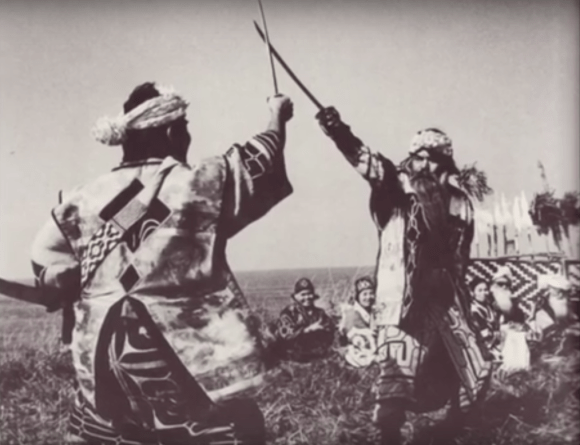
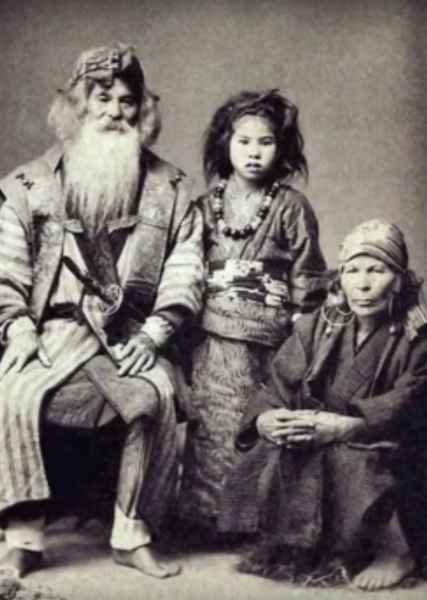
Food
In the summers the Ainu fished for salmon and sea urchins and used wooden canoes. Salmon and trout were killed individually with spears, through basket traps or by damning rivers. In the ocean they hunted swordfish, tuna, sunfish, seals, dolphins and whales.
When the harsh winters came upon them, they turned to hunting bear, deer, and other animals which they boiled, dried and smoked. Smoking was done indoors over a fire, after which the meat was wrapped in birch bark and stored.
You can try Ainu food such as rataskep (a stewed dish with sauces), ohaw (soup), and mefun (salted fish entrails) at “HaruKor,” a restaurant in Tokyo.
▼ Venison steak at HaruKor.
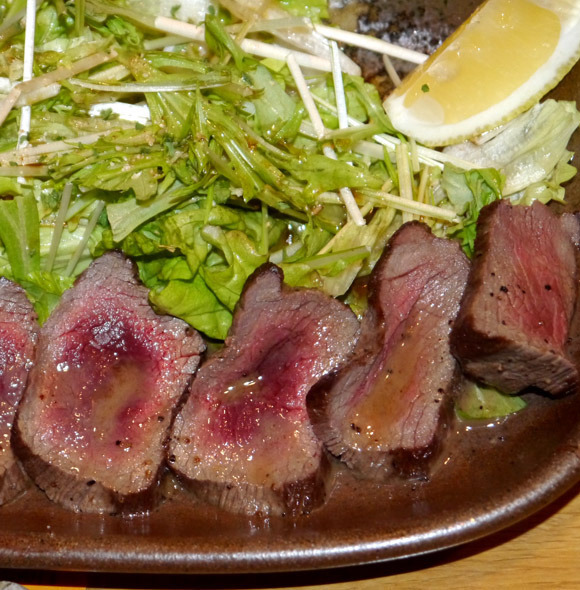
Language
The Ainu have their own language, but not a writing system, resulting in a strong oral tradition of passing down stories and rules over generations. Many of Hokkaido’s place names are derived from Ainu language, such as Sapporo (dry, large river), Muroran (small slope), and Lake Toya (pond shore).
We’ll leave you now with this short video, which takes a nostalgic look at some of the Ainu’s cultural traditions through 100-year-old photos plus video footage. Enjoy!
Source: Ainu Museum, Poroto Kotan Ainu Museum (Shiraoi)
Images YouTube (jicken5) unless otherwise noted.
You may also enjoy:
Vanishing Japan: Five things to see before they disappear completely
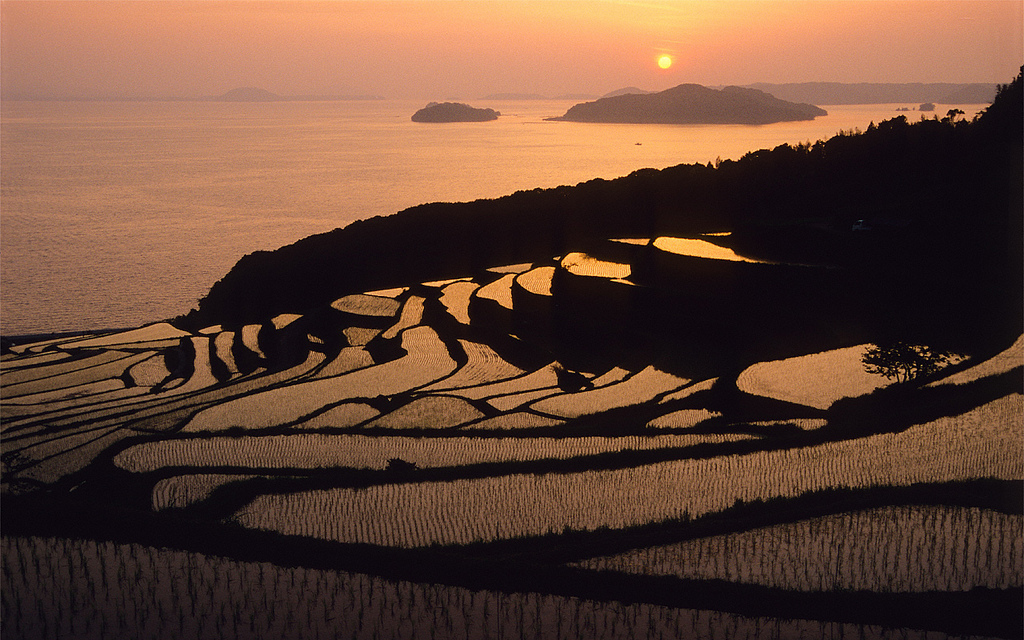
]]> https://soranews24.com/2016/02/23/everything-you-wanted-to-know-about-the-ainu-with-photos-and-video%e3%80%90rocketpedia%e3%80%91/feed/ 0 302466 Ainutop LipPainting house,dress BearDrinking AinuBearSacrificeCirca1870 Woman_playing_traditional_Ainu_instrument womendancing LipPaint Screen Shot 2016-02-22 at 12.13.27 PM LipTattoo necklace,lips Swords Family venisonsteak 5590800402_a1fcea8bc4_b 5 cultural tips for taking photos in Japan https://soranews24.com/2016/02/18/5-cultural-tips-for-taking-photos-in-japan/ https://soranews24.com/2016/02/18/5-cultural-tips-for-taking-photos-in-japan/#comments Thu, 18 Feb 2016 04:00:10 +0000 http://en.rocketnews24.com/?p=301468 
Believe it or not, there’s a Japanese Way of taking photos. We’ve compiled some cultural guidelines as well as language tips to help you take happy snappies on your next trip to Japan!
Naturally, the first rule of photography in any country is to obey the rules. Always look for signs at tourist areas to make sure it’s okay to take pictures. If you see the “No photos” or “No flash,” do comply, no matter how much you want to capture the moment.
But there are other not-so-obvious things to consider when taking snapshots in Japan, especially when local people are involved. The following hints should help you understand photography protocol in Japan. Keep in mind that these are not hard and fast rules, just guidelines based on our collective experience working and playing in Japan. No one says you have to follow them, but you know, when in Rome…
1. The Peace Sign

For reasons unfathomable to most foreigners, in Japan a common way to show you’re having fun in a photo is to flash the peace, or bui (V), sign. If you think this gesture ruins your images, you’re going to be extremely disappointed because this little hand gesture is ubiquitous. Our advice is to just accept it and move on as it is a part of “posing,” which is central to Japanese photo-taking. Posing is so ingrained in the Japanese psyche that you’ll notice children as young as three years old will automatically pose for snapshots: they’ll cock their head to one side, freeze a smile, and whip out a peace sign!
▼ Okay, so this little one is still learning!

More than likely, you’ll eventually join in on the banality of it all and start proudly displaying the peace sign in your own photos taken with Japanese people, just to show how Japanese you’ve become!
Language: Chiizu! (Cheese! Said before clicking the shudder).
2. The guest goes in the middle of the photo
Another element of posing is to make sure people are placed properly in the frame according to specific precepts which may or may not include family and social status. In the U.S., we tend to arrange people according to height, and while that is also taken into consideration in Japan, they’re also careful to make sure the guest is standing (or sitting) in the center, the most prominent spot in the image. Most often in Japan, you will be the “guest” in someone’s photo.
Example: In the snapshot below, the foreigners wanted to include the minshuku (guest house) owner where they stayed. The proprietor is properly placed in the middle of the others (as opposed to on one of the sides). The only way to improve this photo would have been to put him in front of the others, with all the foreigners in the back. Not only would he then command the most central location, but he is small enough that he wouldn’t obstruct the view of the view of the tall guy in the back.
▼ In this case, the “guest” is the Japanese person.

Rather than stride brazenly into your obvious position as the guest, however, it’s better to exercise a degree of humility and wait for a Japanese person to tell you or nudge you in that direction.
One occasion when the “guest in the middle” conduct may be ignored is when you are with elders, especially people like grandparents. Elderly people get the utmost respect and should be placed in the center of any photo. Since this may cause conflict with the guest placement, in some cases the guest and the grandparent(s) can share the middle position.
Language: Isshou ni shassin or torimashou. (Let’s take a picture together).
3. Privacy Considerations
Privacy regarding the inclusion of people in photos is stricter in Japan than you may be used to. If you want to use a photo of someone on your blog but don’t have their permission to use it, protocol dictates that you should blur the person’s face so they are not immediately recognizable. I admit that it looks odd, but you’ll see it often on Japanese blogs—and indeed on our own pages from time to time, since we’re based in Tokyo and have to play by the same rules. I’ve even had Japanese people ask before they “share” photos I’ve posted on my own private Facebook page. This is good policy and avoids confusion or hard feelings down the road. I’ve also seen Japanese people mosaic (or use a black rectangular box over the eyes) their own children’s faces on Facebook posts in order to protect their child’s privacy.
Example: Below is a textbook perfect Japanese snapshot. I’m the guest, so have been placed in the middle. I only had permission from one person to publish this photo, so for those I didn’t have permission, I pixelated their faces. And of course, no Japanese snapshot would be complete without at least one peace sign!

Actually, there is no law against taking photos of people in public places in Japan. It’s the publishing, or uploading them to the internet where the laws come into play.
The exception to having to ask permission is if people appear in a public event, such as these runners taking part in the Ultra Trail Mt. Fuji ultra marathon.
▼ No permission needed.

Language: Watashi no burogu de shasshin o koukai shite iidesuka? (May I publish this photo on my blog?)
4. Selfie sticks are banned in certain locations

Be aware that selfie sticks are not allowed in some locations in Japan including JR West train stations. As we all know, selfie sticks obstruct other people’s vision and can cause accidents when people aren’t paying attention to what’s going on around them. As tourism increases to Japan, expect this ban to be adopted in more and more places in the future.
Language: Serufii sutikku/jibundori sutikku o tsukatte iidesuka? (May I use a selfie stick?)
5. Be prepared to be approached by Japanese people wanting their photo taken with you
Japanese people, especially school kids, may ask you to join them in a photo. This typically happens in public places like the Hiroshima Peace Park where kids go on school trips. Don’t worry—unlike third-world countries where you may be hit up for a tip afterwards, these kids are entirely innocent—many of them will be from more rural areas and they just think it’s cool to be seen with foreigners! You can decline if you want, but if you do decide to join in on the fun, you’ll be getting a true Japanese experience! Besides, you can have them take a photo with your camera too, so you can show your friends back home how well you mixed with the locals!
At first it may seem odd that Japanese people would want their photo taken with a complete stranger. But then again, you may find yourself doing exactly the same thing…
▼ See? It works both ways!

We hope you’ve found some of these tips helpful. We’d love to hear some of your own tips you’ve gleaned from your experiences photographing Japan!
Top image Gratisography (Ryan McGuire) All other photos © AmyChavez/RocketNews24 unless otherwise noted.
]]> https://soranews24.com/2016/02/18/5-cultural-tips-for-taking-photos-in-japan/feed/ 0 301468 177H 177H DSC_0032 (1) IMG_4712 (1) IMG_4582 (1) guestinmiddle DSC_0465 200H IMG_4246 The 5 phases of adjusting to life in Japan (from a Western expat point of view) https://soranews24.com/2016/02/02/the-5-phases-of-adjusting-to-life-in-japan-from-a-western-expat-point-of-view/ https://soranews24.com/2016/02/02/the-5-phases-of-adjusting-to-life-in-japan-from-a-western-expat-point-of-view/#comments Tue, 02 Feb 2016 02:00:31 +0000 http://en.rocketnews24.com/?p=297862 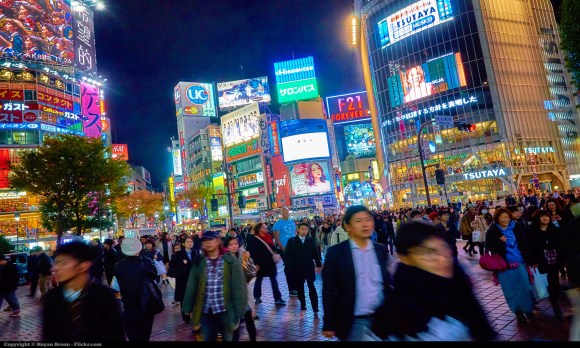
Today, we present five phases Western expats go through, from arriving fresh off the boat to thinking about retirement, when living in Japan.
0–3 years
Congratulations, you’ve arrived in Japan! You’ve been waiting for this for sooo long. You’re fresh out of college, off on your own, making it, probably ensconced in a full scholarship from the Japanese government (Working visa, check! Job, check! Housing, check! Health insurance, check!), a university program (ditto) or the military (ditto, plus benefits). It’s as if you’ve won the lottery: life is a party, and your Japanese colleagues are the ones encouraging it. Life in Japan lives up to all your expectations, and more: everyone is so nice, so polite, so clean, so well-dressed! The society is urbane, educated and honest, all while drinking way too much.
▼Japan is so much fun!

So enamored are you of this lifestyle that you want to be Japanese, speak Japanese and be around Japanese people. Besides, you’re enjoying being in the limelight. People treat you as if you are special because you are foreign, exotic (imagine that), and fun to be around!
You compare this culture to your own and frankly, you’re a bit embarrassed. You slowly start questioning, and rejecting, your own culture in favor of the Japanese way and after a while you don’t care to be around those insolent foreigners.
The first few years in Japan are often referred to as the honeymoon period because everything is new, exciting and your eyes are opened to a different way of life.
3–5 years
You’ve made the commitment to stay in Japan longer by either extending your contract or finding a different job (Working visa, check! Job, check! Housing, check! Health insurance, check! Housing allowance, check! Transportation allowance, check! Bonus, check!). You speak Japanese, you work hard. You fall in love with a Japanese person and maybe get married. You’re starting to notice that even though you’re treated very well by the Japanese, you’re also treated differently, and this is starting to bother you.
▼ Hmm, are those real kitty cuddles, or is it just tatemae?
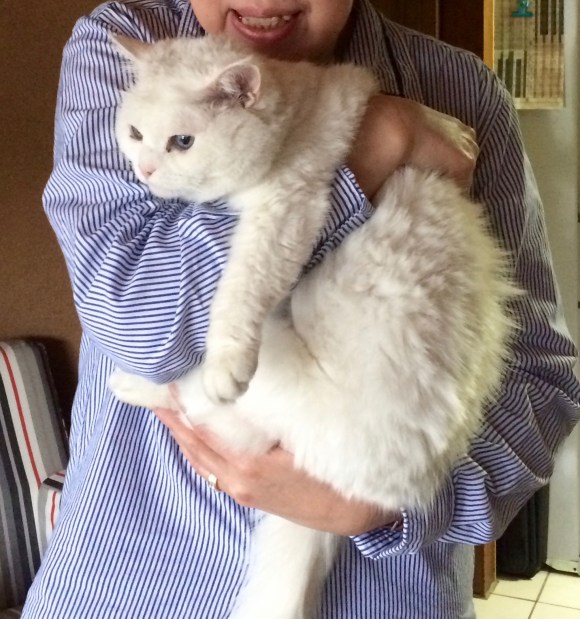
You’ve probably dabbled a bit in Japanese culture, especially one of the Martial Arts. You have good Japan days and bad ones and you’ve started questioning some aspects of Japanese culture. You’re feeling a keen sense of discrimination behind the facade of contrived smiles. But, hey, your first child is on the way and everyone is happy, including you! Even so, you still harbor doubts and you have confabs with other foreigners, even some of those officious ones, and find out they’ve had similar, unsettling, experiences. The honeymoon is over.
5–10 years
By now you’ve probably assimilated and fall somewhere between your two diametrical cultures, seeing the ups and downs of both. You’ve got a good handle on the language The discrimination thing still bothers you, but you’ve come to terms with it. You’ve got one or two children in Japanese schools now (they start kindergarten at the age of three here!) but you’re not happy with the Japanese education system and its perfunctory ways. As a mother of an elementary school student, you really don’t have time to be a homemaker and hand-sew bags for your child according to school regulations, nor make cute obento lunchboxes every day so that your child feels extra-special, nor do you feel like complying with any of the other school directives (few of which make any sense, by the way). After all, you have a career too.
“You know, we could just leave!”
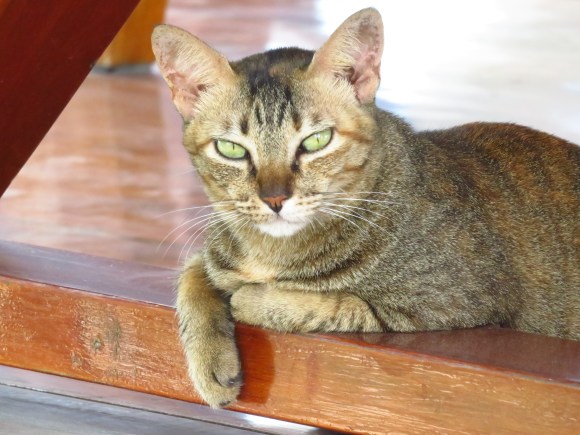
If you’re male, you’re getting tired of the grind of working long hours, lack of family time and if you teach (which, if you’re an English speaker in Japan, you very likely do), regretting that you’re spending more time with other people’s children than your own. The draw of your native country is very powerful now. You’ve been contemplating the move for some time now, and the prospect of your kids growing up in a more open society galvanizes you to initiate that move back to your native country. Some of these families will move back to Japan within a year or two because they just couldn’t adjust. Others will have a period of moving back and forth between two countries over the years before settling on one apposite to their circumstances.
10–20 years (if you’re still here!)
You probably deserve some kind of medal for still being in Japan, whether you’ve gone home for a while and come back or not. By now, your kids have grown and they’ve turned out to be pretty damn good adults, even after being subject to that extremely restrictive Japanese education system and its chastening measures. You’ve produced bilingual children who have the advantage of understanding both cultures better than their own parents. Now it’s your time to be the foreigner who embarrasses your kids with your less than oblique Western ways!
You’ve put in the hard yards at work but you’re pretty sure you have it better than a lot of your friends back home. You have a good job, and you’re comfortable—admit it, you’re coasting.

You’re good at picking and choosing what to get angry about and many things that bothered you previously don’t even show up on the radar anymore. You’ve become more objective after watching your own country commit the a few of the sins you so egregiously accused Japan of. You’ve decided that there are no answers when it comes to the interminable discussions of Japan (immigration, discrimination, nationalism, etc).
By now, you’re a completely different person and you realize Japan has been a big part of that metamorphosis. The previous benighted you is no longer as self-righteous and you’re far more accepting of other viewpoints. You also have the perspicacity to admit that it’s the very fact that Japan is such a closed society that makes it so nice to be a foreigner living here. It’s a double-edged samurai sword but you’ve learned to accept the good and ignore the bad. After watching your own country degenerate (which is a universal feeling, but probably a myth) you can understand the Japanese sanctity of harmony and how at least it produces an admirable society that works.
You realize you fit into that category of foreigner living in Japan called “lifer.”
20+ years
Life is still good and not only that, you’re at the apotheosis of your working and intellectual life and you’re starting to think about your retirement.
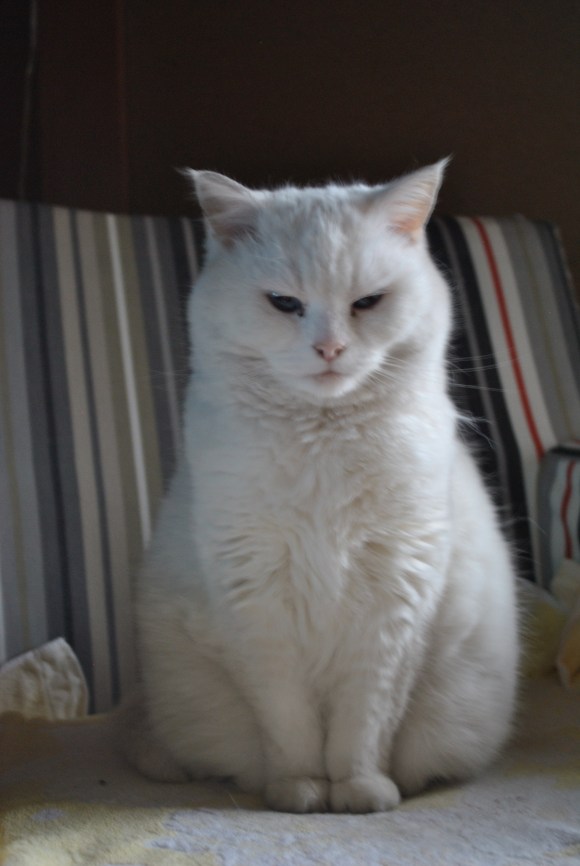
You may still be married to that Japanese person, but even if you aren’t, you’re probably still living here because, all in all, Japan is a pretty good place to be. At this point, it’s too hard to leave anyway. First of all, you’d miss the food too much. Second, if you went back home, who’d hire you? And can you really call it home anymore? All your childhood friends have moved away, and some key family members have passed on. You still have a passport from your home country but you probably don’t maintain a residence, which precludes you from doing very much in your home country such as getting a loan (to buy a house or business) or even just to get a driver’s license. The only thing you can still do there is vote and pay taxes.
You’re likely getting itchy feet by now too. Feeling you’ve gotten enough out of Japan you may move on to another country and culture on a part-time basis. You maintain a residence in Japan but spend a lot of your free time elsewhere: Thailand, Cambodia, Philippines or Bali because you’re ready to take on new challenges. That curiosity that deracinated you from your native country so early on and brought you to Japan is also what lures you somewhere else now. But you’re not ready to give up Japanese residence. Affordable health care and personal safety have become sacrosanct.
You pick up again on those Japanese cultural arts you were studying before, determined to get a certification this time. As you approach retirement, you consider writing a book or novel based on living in Japan. Or maybe a even chapbook of haiku poems.
But you’re adamant that you will never, ever play gateball.
—————
If you live in Japan, what other phases have you gone through? Let us know in the comments section. We’d love to add them to our list!
Feature image Flickr (Moyan Brenn), all others © AmyChavez/RocketNews24
]]> https://soranews24.com/2016/02/02/the-5-phases-of-adjusting-to-life-in-japan-from-a-western-expat-point-of-view/feed/ 0 297862 15608018214_af31d72cd9_k 15608018214_af31d72cd9_k kitten cat cat IMG_7293 cat Japanese Buddhism in 10 minutes【Rocketpedia】 https://soranews24.com/2016/01/30/japanese-buddhism-in-10-minutes%e3%80%90rocketpedia%e3%80%91/ https://soranews24.com/2016/01/30/japanese-buddhism-in-10-minutes%e3%80%90rocketpedia%e3%80%91/#comments Sat, 30 Jan 2016 07:00:48 +0000 http://en.rocketnews24.com/?p=296375 
Today we’re introducing you to the basics of Japanese Buddhism, plus highlighting some of the Buddhist images you’ll see in Japan and help you distinguish them from Shinto ones.
There are two main religions in Japan: Buddhism and Shinto. Shinto is Japan’s indigenous religion, and is an animist belief system which worships nature and incorporates over 8 million kami (gods or deities). Buddhism, on the other hand, made its way from mainland Asia to Japan around the 6th Century. Rather than replacing Japan’s original religion, however, Buddhism found a complementary role, and many modern Japanese identify as being both Buddhist and Shinto. Buddhist temples were built on grounds already thought to be sacred according to Shinto, and so today we have both Shinto shrines and Buddhist temples standing alongside one another.
Although Shinto and Buddhism are distinct entities, there is a blurring of the two. In the countryside, like where I live, the Buddhist priest may perform Shinto rituals as well as Buddhist. This amalgamation is one reason Japanese identify with both belief systems and take part in ceremonies belonging to either one, depending on the occasion.
▼ Deities on a Buddhist pilgrimage route are placed underneath a sacred Shinto rock, a perfect example of the blending of Shinto and Buddhism (don’t know about the cat).

Just like there are Christian roots to many aspects of Western thought, so it is that the Japanese ethos is made up of a blend of animist and Buddhist beliefs. You might not recognize the Buddhist influence in Japanese society right away, because Buddhism isn’t necessarily overtly taught. It’s more a fabric of society and instilled in children in the way they are raised and educated. Principals such as harmony, reticence, and making the utmost effort, as well as minimalist architecture and design, are all representative of Japanese core Buddhist values. Icons of the Japanese arts such as Tea Ceremony and ikebana were perfected by Buddhist priests. Zen had a profound influence on Japan’s warrior class and thus the martial arts. One could say that Japan has a Shinto background but a Buddhist soul.
Types of Buddhism in Japan
▼ A zen rock garden

While Zen Buddhism is most familiar to people in the West, in Japan there are many popular sects including Zen, Shingon, Pureland, Nichiren and Tendai. There are at least a dozen other sects and schools scattered throughout the country.
Mt. Koya, is the headquarters of Shingon Buddhism and Mt. Hiei, a mountain in Kyoto, which includes Enrakuji Temple, is the headquarters of the Tendai sect of Buddhism. Both Koyasan and Hiezan are World Heritage Sites and common destinations on a trip to Japan.
Shakyamuni Buddha
The Buddha is portrayed differently depending on the culture. While the Cambodian Buddha below is pictured wearing garlands and orange robes, he is usually portrayed in a more sober atmosphere in Japanese Buddhism, devoid of color and spangles.

In Japan, the historical Buddha is called Shakyamuni Buddha, though he was not born with the name Buddha, of course. Like many famous people, he took his current name only after he had achieved some notoriety. His given name was Siddhartha. Siddhartha was born in Lumbini, Nepal, as a prince. He left the palace at 26 years of age to search for the meaning of life. After six years, he found it while meditating under a tree, now called the Bodhi Tree, for 49 days.
After reaching enlightenment, Siddhartha took the name Buddha, which means “awakened one.”
The Buddha taught people to find fulfillment by living a modest life devoid of greed and self-indulgence and by understanding the true nature of the mind. He said that suffering is a result of ignorance which comes from attachment to and craving things. If you get rid of those, you will rid yourself of suffering. He instructed people to reach this state by cultivating proper understanding, thought, speech, action, livelihood, effort, mindfulness, and concentration. Buddhism teaches that all things and all movements in the universe are related to one another.
Buddhist Structures
Temples
Buddhist temples house Buddhist deities and sacred objects. You may have heard that the temple bell is hit 108 times at the Japanese New Year. Each gong represents one of our 108 bonno, or defilements.
▼ The temple bell is hit 108 times at the New Year.

These 108 sins are the roots of human suffering and what Buddhism attempts to ascend while taming our mental vicissitudes. We should work to eliminate anger, ignorance, and greed (three of the 108 defilements) from ourselves and our actions, for example. We should aspire to seek solutions rather than get angry, aim to accept rather than discriminate, and attempt to understand rather than remain ignorant. Once you’ve achieved that, you have 105 more evils to work on.
Pagodas
▼ Nachi Falls, a World Heritage site and one of Japan’s most photographed spots.

Pagodas, which look like Seiganto-ji pictured above, are Buddhist structures that symbolize the five-fold cosmic forces: earth, water, fire, wind, and space.
Elements of Japanese Buddhism
Meditation
▼ Meditating Buddha in Kamakura. Very sober.

One of the ways to attain these Buddhist ideals is through meditation. Perhaps the most famous practitioner of meditation, is Daruma (Bodhi Darma), the father of Zen Buddhism who lived in the fifth and sixth centuries. Legend says that he meditated in a cave for seven years before finally reaching enlightenment. He ruminated for so long that his arms and legs atrophied and fell off, leaving just his trunk!
▼ A Daruma doll with no arms or legs

Daruma dolls are usually painted bright red and can be seen all over Japan in shops and restaurants. People buy them at festivals for good luck. They are round dolls with large eyes, so they look more like owls with no feet. The eyes are black but the custom is to sell them with no eyes filled in, or sometimes just one eye filled in. When one buys a Daruma doll, they make a wish and fill in one eye. When the wish is fulfilled, the other eye is filled in. There is a Japanese proverb: Nana korobi yaoki which means, “If you fall down seven times, get up eight” a reference to the Daruma doll which, every time it is knocked over, comes back up. The Daruma doll embodies the “never give up” spirit.
▼ Another style of Daruma doll, these have your omikuji fortune inside of them.

Enlightenment
The ultimate goal of Buddhism is enlightenment. The lotus flower is a symbol of enlightenment and mirrors the process of achieving this distinction. Everyone starts as a closed blossom, or even just a mere leaf. Only when we begin to lose our biases does the lotus blossom begin to open.
▼ Not yet enlightened…

Lotus blossoms appear symbolically all over Japan too. Koyasan in Wakayama lies in a basin surrounded by eight mountain peaks, giving it the appearance of a blooming lotus. The “lotus position,” is used in meditation. The Japanese partake in lotus flower viewing. Deities in Japan are almost always sitting on lotus flowers.
▼ Ahhh, enlightenment! The lotus has opened fully.
Pilgrimage
One vehicle to enlightenment is pilgrimage.
▼ A shrine along one of the hundreds of Buddhist pilgrimages in Western Japan.

Pilgrimages are a part of both Buddhism and Shinto practice. The difference is that Buddhist pilgrimages tend to be circuits, where one visits a set number of holy places (temples, shrines or natural sites like waterfalls), and ends up back in the same position where he started. Shinto pilgrimages on the other hand, tend to be linear, like the Kumano Kodo, where you go to a spiritual place to worship and come back.
Honji-suijaku
Honji-suijaku, is the idea that the Shinto gods are incarnations of Buddhas and Bodhisattvas.
▼ A deity, standing on a lotus of course

The pantheon of Shinto gods was brought into the fray as an effort to smoothly integrate Shingon Buddhism with Shinto. In this way, Buddhist temples and Shinto shrines were able to combine and coexist.
Fire Ceremonies
▼ The fire ceremony invokes the fire god Fudomyo-o.

Fudomyo-o protects all living beings and helps them reach enlightenment by burning or cutting away their defilements. He is also sometimes called the Remover of Obstacles. Try to find one of these fascinating fire ceremonies to attend while you’re in Japan.
Mandala
Buddhism uses mandala to make sense of the cosmic forces of nature. The mandala below is used to represent harmony among deities and the cosmos and serves as a spiritual map of the universe.
▼ Mandala are hard to photograph as they are usually hidden inside temples. That’s my excuse, anyway.

Funerals
Japanese funerals are Buddhist. One oft-repeated maxim is that “Shinto celebrates life and Buddhism death.” So while most Japanese people have a Shinto wedding, they also have a Buddhist funeral. The Obon period in August is a holiday when it is believed that the ancestors come back to visit their home towns.
▼ Japanese cemetery

When the Buddha passed away, his body was cremated and his ashes were placed in monuments around the world, where people could still visit him to pay their respects. This is how Buddha’s finger occasionally goes on tour and makes the rounds of the world via special exhibits.
If the Buddha were still alive today, he’d be 2,550 years old, give or take a few hundred years. But you can still visit him in one of the many dedicated monuments that hold his ashes in Japan (and the rest of the world).
All images © Amy Chavez/RocketNews24
]]> https://soranews24.com/2016/01/30/japanese-buddhism-in-10-minutes%e3%80%90rocketpedia%e3%80%91/feed/ 0 296375 buddhism-top lotus rock rock garden statue bell pagoda IMG_0064 daruma dolls IMG_0102 lotuspond lotus pilgrimage deity fireceremony madala cemetary A peek into the world of the Japanese Tea Ceremony https://soranews24.com/2016/01/12/a-peek-into-the-world-of-the-japanese-tea-ceremony/ https://soranews24.com/2016/01/12/a-peek-into-the-world-of-the-japanese-tea-ceremony/#comments Tue, 12 Jan 2016 11:30:25 +0000 http://en.rocketnews24.com/?p=293479 
The culture of tea in Japan goes back one thousand years. Today, we’re going to scratch the surface with this short introduction to the wonders of the Japanese tea ceremony.
In the U.K. they serve high tea. In Australia, they serve morning tea and afternoon tea. In Japan, they have chado, literally “the Way of Tea.” In the U.S., in contrast to the Way of Tea, we had the Bay of Tea, dumping vast quantities of it into the harbor to protest England’s tax on tea. You haven’t been able to get a good cuppa in the U.S. since.
▼ Tea Ceremony in Japan
▼A tea party in America in 1773.
 Wikipedia (lithograph by Nathaniel Currier)
But Japan tops us all when it comes to tea and tea parties. Japanese tea ceremony is an art form that has been perfected over a thousand years. Japanese tea masters dedicate their lives to the ritual preparation of a simple bowl of tea.
In Japan the tea ceremony can be a half-day affair, lasting up to four hours—if you’re prone to spending long periods of time at the library without actually reading any books, this may be just the activity for you! Indeed, there are literally thousands of books on the Japanese ritual of tea, none of which you will probably ever read.
Origins of Chanoyu
The tea ceremony, (called chanoyu, or chado if you prefer, or even sado if you insist) was brought to Japan from China along with myriad other Chinese culture that was crammed onto a cargo boat. It’s incredible when you think about all the stuff the Japanese brought back with them from China: kanji, calligraphy and the tea ceremony being just a paltry few. I imagine Japanese Buddhist priests such as Eichu and Kukai (after having imported Buddhism) walking through the vast country of China and pointing to various things: “We’ll have some of that Shingon Buddhism, and a bit of the Bodhidarma, and by the way, give us some of that tea ceremony with a bit of calligraphy on the side!” Only after the tiny boat was full did they claim, “Anchors away!” and bring all their plunder here to Japan. In fact, Japan was the world’s first China Town. But since there were hardly any Chinese people in this country, they just called it Japan.
Even the “Seven Lucky Gods” came to Japan from China. They managed to all fit on a tiny vessel called the takarabune, destined for the 800-km journey which we presume terminated at the port of Nagasaki.
▼ The takarabune treasure boat carrying the Seven Lucky Gods, proves that a lot of Chinese culture could be loaded onto just one small boat.

The Japanese tea ceremony eventually developed into its own version, a four-hour event of absolute propriety, performed while wearing a traditional kimono and kneeling seiza style. You see, this is not your grandmother’s cup of tea (unless your grandmother is Japanese, in which she probably used the tea ceremony as a form of strict childhood discipline). It’s impressive that the interminable ceremony has endured to this day, despite this proclaimed age of instant gratification. There is not even a tea ceremony app.
But luckily, we now have a shorter Way of Tea. The abbreviated version came about, no doubt, because just having a cup of tea in the morning was enough to prevent people from getting to work before noon. So, just like the game of cricket, which used to play week-long tournaments but had to shorten the game in order to retain its fan base (sometimes people died before the end of a tournament), the tea ceremony now has a more casual and endurable version for those who don’t want to risk losing their lower limbs by sitting for long periods of time seiza style.
▼Japanese powdered green tea is called matcha.
 Wikipedia (Matcha Tea Factory)
These shorter tea ceremonies, called chakai, are a good introduction into the world of matcha, Japanese powdered green tea. If after this abridged version, your legs have survived the pins and needles and are still very much attached to the body, then by all means, try to sever them completely in the four-hour rendition. Try to go for one that includes a high-class kaiseki ryori meal. Good food is known to make leg pain more endurable.
Tea Houses
Japanese tea houses historically populated the archipelago along pilgrimage routes such as the Tokaido, Basho’s Narrow Road to the Deep North and the Kumano Kodo where travelers would stop to rest and have a cuppa.
▼ “The morning after a snowfall” by Katsushika Hokusai shows the tea house at Koishikawa from Thirty-six views of Mount Fuji.

▼ The (reconstructed) remains of the “Sakurachaya” tea house along the Kumano Kodo. The owners of the tea house would look out to the other side of the valley for pilgrims coming over the mountain then start preparing tea and mochi for their arrival.
 Amy Chavez/RocketNews24
Needless to say, with the modern-day pit stops such as Starbucks, the experience of stopping for a cup of tea along the road has changed quite a bit.
Let’s look at exactly what is involved in Japanese tea ceremony. In an overt act to discipline the masses, the tea ceremony reminds us to be mindful of others, appreciative of nature, and to put our hosts above everything else. Silence and quiet talking are valued (no gossiping or complaining about work), as well as appreciation of the intricate tools used, the proscribed ceremony procedures and the value of sharing a cup of thick green liquid among friends.
Private Tea Houses
You’ll need a tea house or at least a special tea room to take part in a tea ceremony (although some are performed outside). Many of Japan’s famous gardens (the ones you have to pay to get into) have traditional Japanese tea houses and they will offer tea ceremony experiences on certain days of the year.
▼ Japanese tea houses are usually made of natural materials on order to appreciate the blessings of nature.

Inside the tea house

The tea room will contain a tokonoma in which will to display a calligraphy scroll and a flower arrangement. This one also displays an incense burner. The floor is traditional tatami mats which can be knelt on for the event.
Tools for making tea
There are many special tools (hundreds, actually) for making Japanese tea but here are some of the basics: A lacquered storage container for holding the green tea powder, ceramic tea bowls, and a bamboo whisk. Ceramics are specially selected according to their personality and aesthetics.
▼ Pictured: Not a gantleman’s shaving kit

▼ Chaki, storage container for powdered matcha tea.

Tea Master
Of course, a tea ceremony cannot be held without a host. True tea masters dedicate their lives to perfecting each aspect of the tea ceremony, imbuing it with meaning and purpose. Monks are often trained in the art, and many of Japan’s most famous tea masters have been Buddhist monks. So you can rest easy that no matter what may happen in the world, there will be one monk who will calmly call everyone together for a sober bowl of tea before panicking.
One of Japan’s famous tea masters and Zen priests, Ikkyu Sojun (1394-1481) imbuing meaning and purpose.
 “Portrait of Ikkyu by Bokusai” Wikipedia
The most recent tea ceremony I attended was surely one that would make the Guinness Book of World Records for most ephemeral tea ceremony in Japan. I attended the spring Miyako Odori geisha show in Kyoto. This traditional performance included a tea ceremony with a maiko (apprentice geisha) before the show. Wow, count me in!
▼A maiko prepares for a tea ceremony in Gion, Kyoto.

When I arrived at the theater in Gion, I entered the waiting room with one hundred other people, all Japanese. The lady sitting next to me told me she lived in Kyoto and came to the spring show every year. I felt lucky to be taking part in something so Japanese, something not merely put on for foreign tourists.
Once we were let into the tea ceremony room, which was big enough to hold ballroom dances, we were directed to long low tables with zabuton cushions next to them to kneel on, the faithful filing into each rank as if being ushered into rows of church pews. Each place setting had a Japanese sweet. Women in kimono hurried around filling tea bowls.
▼Japanese sweets are served to balance the bitterness of the green tea.
 Amy Chavez/RocketNews24
I took a few photos of the green sweets and the tea…
 Amy Chavez/RocketNews24
…and when I looked up, the entire room had already finished their tea and was being herded into the performance hall. I was shocked to experience a five-minute tea ceremony. That was one whirlwind appreciation of nature, serenity and spiritual depth!
I was expecting more of something out of Matsuo Basho haiku:
A monk sips morning tea,
it’s quiet,
the chrysanthemum is flowering.
But all I heard was the clanking of tea bowls being cleared. When I stood to get up, with no one standing or sitting in front of me now, for the first time I was able to see where the geiko (geisha) had, formerly, been making tea at the front of the room with the assistance of a maiko. But they had both already disappeared.
We were told to keep the plates the sweets had come on, probably to appease the organizer’s pangs of guilt. I felt sorry for these plates, made and painted for the sole purpose of a meaningful existence at a tea ceremony, where they would be admired and stroked, their colors complementing the season and their very character elevated to that of fine bone china. The harsh reality for these plates was that they had finished their purposeful life after just five minutes. They’ll probably never see a tea ceremony again.
It just goes to show that beauty is fleeting. And that a five-minute tea ceremony demands an app.
]]> https://soranews24.com/2016/01/12/a-peek-into-the-world-of-the-japanese-tea-ceremony/feed/ 0 293479 Tea_Ceremony ceremony ceremony lithograph art powder woodblock print Screen Shot 2016-01-12 at 8.30.33 AM tea house tea room tools storage portrait maiko tea sweet DSC_0237 8 Japan-related events to look forward to in 2016! https://soranews24.com/2016/01/04/8-japan-related-events-to-look-forward-to-in-2016/ https://soranews24.com/2016/01/04/8-japan-related-events-to-look-forward-to-in-2016/#comments Mon, 04 Jan 2016 14:00:18 +0000 http://en.rocketnews24.com/?p=287716 
There’s a lot to look forward to in the Year of the Monkey—Here are just a few of the top Japan-related events you won’t want to miss in 2016!
1. Documentary: Behind the Cove (January 30)

This film, directed by Keiko Yagi, attempts to rebut the Academy Award winning movie The Cove. As we all know, there are two sides to every story, so this ought to be an interesting perspective.
The above poster asks “Why is Japan’s traditional food culture being targeted?” In Japan, The Cove prompted a plethora of negative reactions by the Japanese who felt their country had been singled out by a film that was “unwarranted, unfair, and manipulative” according to a press release for Yagi’s film. The Japanese Minister of Agriculture and Fisheries reportedly said, “It is regrettable that this movie is made as a message that brutal Japanese are killing cute dolphins.” Yagi calls for “understanding differences in food cultures and religions.” Whether or not one agrees with killing dolphins and whales, it’s probably worth at least listening to the other side of the story.
When RocketNews24 asked the director for reactions from Japanese people who have seen the film, she highlighted the following comments from a couple of viewers: “I don’t think people have looked deeply enough into the issues so I hope many people will watch the movie,” and “If you feel bitter after seeing The Cove, you will be delighted as this movie will free your heart.”
Showings in Japanese with English subtitles start in Shinjuku at K’s Cinema on January 30. Advance tickets are 1,300 yen (US$10.78) or 1,800 yen (about $15.00) at the door.
2. Theater: Takarazuka Performance of Rurouni Kenshin (Starts Feb. 5 in Kobe, April 1 in Tokyo)

In the performing arts, we have the Takarazuka Review performing Rurouni Kenshin, the story of samurai redemption that started as anime before being transformed into a series of action movies and now, a musical by the all-female Takarazuka Theater in Japan (previous manga adaptations by the troupe include Lupin III, Black Jack and JIN). If the tunes are as rockin’ as those of the anime, it will be a treat for the ears as well as the eyes.
February 5 to March 14 at Takarazuka Grand Theater (Hyogo Prefecture), April 1 to May 8 at Tokyo Takarazuka Theater. Tickets can be ordered online (3,500 to 12,000 yen, that’s US$29 to $100).
3. Art: Setouchi Triennale (Starts March 20)
▼ Sou Fujimoto’s Naoshima Pavilion.
 Setouchi Explorer (David Billa)
The Setouchi Triennale art show on the charming Kagawa Prefecture islands in the Seto Inland Sea is a treat for art aficionados and tourists alike. The venue, set across twelve idyllic islands in Western Japan as well as the town of Takamatsu on the mainland, the international art show is not only a chance to see installation art and projects by artists in residence, but it’s also a first-hand opportunity to experience the flavor of Japan’s local island cultures. The event is held every three years and for 2016 it will be carried out over 108 days and three seasons: spring (March 20 – April 17), summer (July 18 – September 4) and autumn (October 8 – November 6). Catch a ferry from Uno (Okayama Prefecture) or Takamatsu (Kagawa Prefecture) to get out to the islands.
Find out more about the festival at the Triennale website and see what’s new this year at Setouchi Explorer.
4. Anime: The 3rd annual “Anime Japan” Event (March 25-27)
 AnimeJapan 2016 Official Website
The AnimeJapan Organization will hold this year’s AnimeJapan event at Tokyo Big Sight for three days from March 25–27. The weekend offers lots to see and experience including “Cosplayer’s World,” a food park, a production works gallery, and a business area to talk about expanding the anime business market (special registration required for the latter). An Open Stage will feature TV animations, interviews with actors, awards, talk shows, press conferences, etc. Upcoming trailer releases, exclusive talks with cast members and interviews will take place on the smaller Red, Green, and Blue stages for limited audiences (additional registration required for these smaller stages). Come join the world’s largest anime event!
Tickets on sale now at 1,600 yen (US$13.30) for general admission or 2,000 yen ($16.58) at the door.
5. Films: New Godzilla Movie (July 29)

This year brings an abundance of great movie releases but perhaps the most anticipated—after a 12-year wait—is the new Shin Godzilla, directed by Shinji Higuchi (Attack on Titan). The good news is that the live-action film director promises that this kaiju movie will be scarier than the previous Godzilla endeavors, terrorizing audiences with modern anxieties such as terrorist attacks, natural disasters and nuclear accidents. The story board artist and special effects supervisor employs his hallmark techniques among miniatures in the same vein as those used in Attack on Titan. Fans have long anticipated another flick featuring monster, who has since become an official Tokyo resident, so here’s to hoping for a terrification of gargantuan proportions. See the trailer here.
6. TV: 2016 Summer Olympics and Paralympics (August 5-21 BST)

Sure, the 2016 summer Olympic Games are taking place in Brazil, but if you want to see Japanese athletes compete, there’s no better place to watch them on TV than in Japan. Even if you don’t catch the televised Olympics, you’ll still get to see the results of the Japanese athletes’ victories hundreds of times over, just in case you missed them the first dozen replays. Do not underestimate the Japanese propensity to plaster their own athletes’ victories all over the screen 24/7 ad nauseam. If you have a favorite Japanese athlete, I hope they do well so you can revel in their rectitude! This is a time to look forward to not just victories, but also defeats and apologies by shamed athletes who didn’t get the Gold despite all the support from their compatriots at home. But forget it if your favorite athlete is from another country (you traitor!) and gets the Gold, because no other country’s medalists will be given air time that might take up the celebrity space reserved for the unfortunate losers and fallen heroes of Japan who will be interviewed instead. So if you love sports, best to be a sportsman about it and join the art of Japanese fandom. Like Hello Kitty or the color pink, there’s no point fighting these things here–you may as well just join the frenzy! Besides, you didn’t really want to watch anything else on TV, did you?
Keep your eye out for Japan’s Gold medal hopefuls at the XXXI Olympiad: 19-year-old Ami Kondo (judo), Kenta Chida (fencing, going for Gold after getting Silver in team foil event in London), and Paralympian Saki Takakuwa (track and field). Go Japan!
While the Olympics start on August 5 in Brazil, due to the nine-hour time difference, the Opening Ceremony will probably air live in Japan the morning of August 6.
7. Manga: Comic Con December 3-4, 2016

The Comic Con festival of pop culture and technology, the brainchild of Stan Lee and Steve Wozniak, debuts in the Silicon Valley, California in March. After that, the whole shebang will head east as the Marvel Comics founder and Apple co-founder bring their team to Tokyo for an inaugural event that is sure to please their antipodean manga, anime and technology fans. Celebrities, autographs, photo ops, and a chance to preview the latest in video game technology are just a few things on the cards. You’ll have the chance to buy merchandise and collector’s items as well as see exhibitions of some of the best comic and anime artists today—all compelling reasons to attend the extravaganza. And don’t forget to seize the chance to pitch your ideas to industry veterans! Check out the Tokyo Comic Con announcement event that was held in Shinagawa.
Tickets go on sale in March. The venue is the Makuhari Messe Convention Center—where the Tokyo Game Show is held. Keep an eye on the Tokyo Comic Con website for more information, or follow @TokyoComCon on Twitter.
8. Movie: Silence (late December 2016)

Based on the acclaimed 1966 novel by Shusaku Endo Silence has twice before been made into a movie. This time director Martin Scorsese tells the story of a 17th-century Christian missionary in Japan who is forced to apostatize. When two Jesuit Portuguese priests (Liam Neeson and Andrew Garfield) go to Japan to investigate the rumor, they find a country reeling from evangelism and the fear that the over 300,000 Christian converts will come to prefer religious teachings to those of their ruler, Ieyasu Tokugawa. This presentiment was further exacerbated by the relatively recent Spanish-colonial rule of the Philippines (1521-1898), and prompted the shogunate to ban Christianity in 1614. What followed was the wholesale slaughter of thousands of Christians. In addition, generations of Christian survivors suppressed their faith for the next 250 years until the Meiji government lifted the ban on practicing Christianity in 1873. Nagasaki is the home of the Endo Shusaku museum and many of the sites in this movie, which was actually filmed in Taiwan. Anyone who is a fan of Scorsese or who has an interest in 17th century Japan and Christianity won’t want to miss this historic drama with a U.S. release date of late December.
What other Japan-related events for 2016 are you looking forward to? Let us know in the comments section!
]]> https://soranews24.com/2016/01/04/8-japan-related-events-to-look-forward-to-in-2016/feed/ 0 287716 Godzillatop Godzilla poster poster installation poster godzilla1 logo ComicCon book cover Does the experience of living in Japan make you a better person? The good, bad and ugly https://soranews24.com/2015/12/31/does-the-experience-of-living-in-japan-make-you-a-better-person-the-good-bad-and-ugly/ https://soranews24.com/2015/12/31/does-the-experience-of-living-in-japan-make-you-a-better-person-the-good-bad-and-ugly/#comments Wed, 30 Dec 2015 15:00:04 +0000 http://en.rocketnews24.com/?p=290266 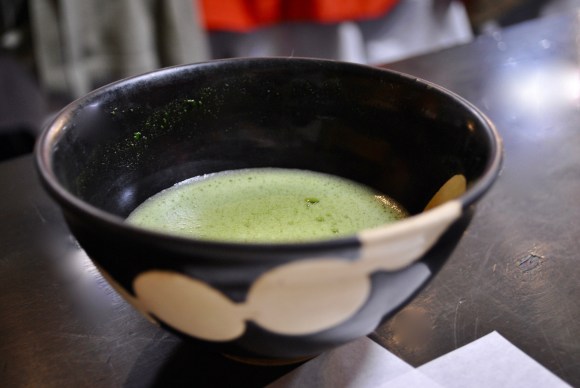
We asked expats living in Japan if they thought that simply living here has made them a better person. Find out the results: the good, the bad and the ugly!
We all know that living abroad gives you an opportunity to have a greater understanding of other cultures. If you’ve ever lived somewhere other than your home town, even the other side of your own country, you’re bound to be affected by the things you experienced on the other side.
But we at RocketNews24 wanted to dig a little deeper. We wanted to know how the Japan experience had influenced the behavior of foreigners living here. In particular, we were interested in the impact derived from Japanese culture. We then found common patterns and grouped their answers according to societal, lingual, philosophical, aesthetic, and religious influences.
Here is insight on living in Japan, from those who’ve lived here:
Societal Influences
The biggest influence on foreigners, as you might expect, was Japanese society itself and her core values. Japan imposes a decorum that few other societies have achieved and, according to our survey, most people felt that just being among nice and polite people was infectious! One person felt that “the general level of politeness has a civilizing effect” while another said: “The general niceness and benevolence of people makes me want to be nicer too,” and several admitted: “I’m a much nicer person than I was before.”
Others claim having gained a greater ability to put other people before themselves, and to do so more often. The advantages attributed to these abilities were a greater sense of cohesiveness, harmony among society, humility (less ego) and improved manners. As one person I recently spoke with who had visited Japan said, “We could all learn from Japan to exercise better manners. After all, good manners are free—they don’t cost anything.” So it appears that we benefit from living among good role models.
Regarding “consideration for others,” one person said that “Japanese people exercise this [consideration for others] in every public place (not talking loudly, keeping to queues, following rules properly, etc.) and if you choose to follow their example, it makes you a more considerate citizen.”
Some also experienced a heightened level of awareness of the people around them. “I’m more sensitive to an individual’s feelings and needs and to the intricacies of interpersonal relationships.”

This heightened level of awareness came up in almost every aspect concerning Japanese society, catapulting people to superior degrees: I’m more aware, I’m nicer, I’m more respectful, more considerate, more tolerant…”
It’s not that one was exactly unaware of things before they came to Japan, but that they have benefited from further exploration of certain aspects of being, and have chosen to assimilate these facets. Thus: “Japan taught me to be even more respectful of those around me, especially my elders or seniors,” and “I have come to expect higher levels of service and professionalism, from others and from myself.”
So it seems that Japanese society has the ability to tug you more in the direction of good, perhaps even meritorious, because virtue is expected rather than being offered a mere guideline.
More specific insights into the culture were: “I learned how people can simultaneously give up their individualism for an ordered society, and yet at the same time retain their individualism in their hobbies and interests,” and, “I learned that you can be outstanding without standing out.”
Another person reflects on her life saying, “I’m less outspoken now that I’ve lived in Japan. I do still speak my mind, but I think about how it will affect others first, or how it will affect processes.”
Gratitude was another point foreigners valued having learned in Japan. “Expressing thanks for the service of others, whether ancestors, parents, lovers or those one has dealings with,” has come to be regarded as an important life skill for these inhabitants. Learning to be tolerant was also attributed to the island nation because of the innate foreign aspect of the Japanese culture. “Since in Japan there are many cultural things a Westerner is not used to, such as sitting on the floor, there is a lot of tolerance involved. After it is accepted, it has a chance to become an acquired taste. That makes one a better person with a wide open heart for the unknown.”
Japanese Language Influences
Ichigo Ichie: one chance, one meeting

A couple people said they gained insight on the country and culture by studying the language. Certain concepts such as “ichinichi ichizen” (one day, one good thing) made them consider more deeply how they lived their lives. Ichinichi Ichizen means that while it’s not always easy to do good deeds, we should try to do just one good thing, no matter how small, every day. Another example was “ichigo-ichie,” which literally means “one chance, one meeting” and encourages people to value their encounters with others. Not only may you never meet that person again, but even if you do, it will inevitably be under different circumstances, emphasizing that each encounter should be treated as a unique experience.
Philosophical Influences
Ikigai is one’s “purpose for life,” which is different for each person.
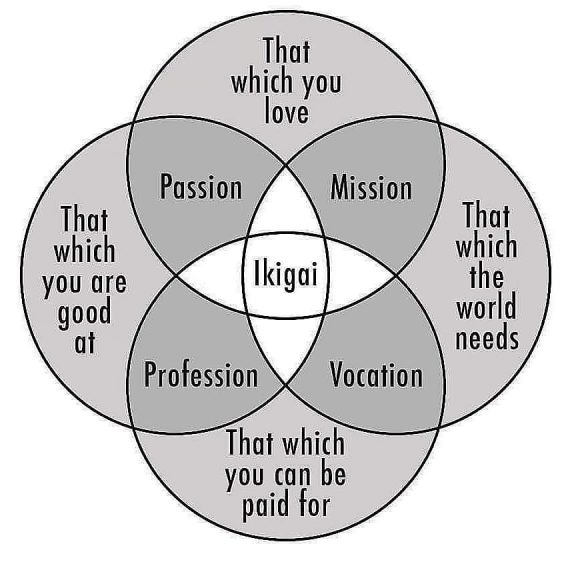
Many of Japan’s principles for living can be found nestled in Zen koans or in Japanese concept words. One such concept that has helped at least one person organize their life is that of ikigai which refers to your “purpose for living,” an inward journey explained in the above infograph. Other life concepts such as enlightenment, wa (harmony), mushin (no mind state*)* and wabi sabi are embedded in Japanese culture and may come to the surface during our time here, prompting us to reconsider some aspects of our lives.
Influences in the Arts
The entire Japanese culture is reflected in a cup of green tea!
RocketNews24
The essence of Japanese culture can be found in the tea ceremony, according to another person: “Style, silence, respect, form, service to others, taste, and much more.” There is deep meaning behind even the smallest gestures in the Japanese cultural arts, such as the tea ceremony, where every aspect of making tea is valued to the point that it must be practiced over and over with the goal of achieving perfection.
Another aesthete reconsidered art and beauty after her experience in Japan. “Beauty in Japan is quite different from that in Europe. I have learned to love Japanese pots which are often very irregular but totally charming.” Purposefully crafted to be uneven, such characteristics, even blemishes, provide a unique flavor to a piece.
Secular Education
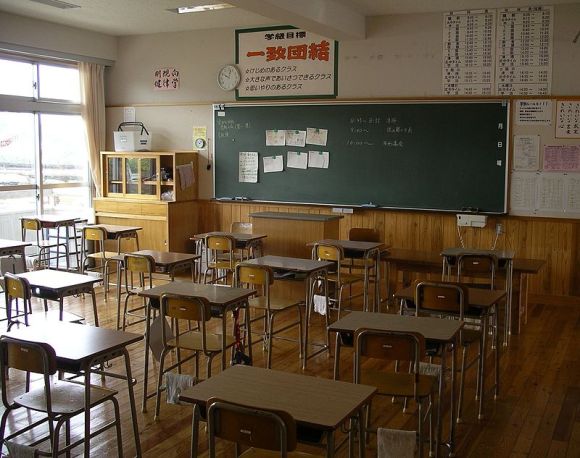
Many people agreed that they were impressed with the clear separation of religion and education in Japan. “They do a very good job of teaching children morality without tying it to theology.” While goodliness and cleanliness are often connected to religious rituals and beliefs in other cultures (the paternoster “Do unto others as you would want them to do unto you” from the Bible or The 10 Commandments, for example), “Japan taught me that one can be nice even if they do not follow any religion. Being considerate to others, being clean inside and outside, being on time, etc. seem to be the common rules followed by everyone here.”
Experiences from Japan’s Dark Side
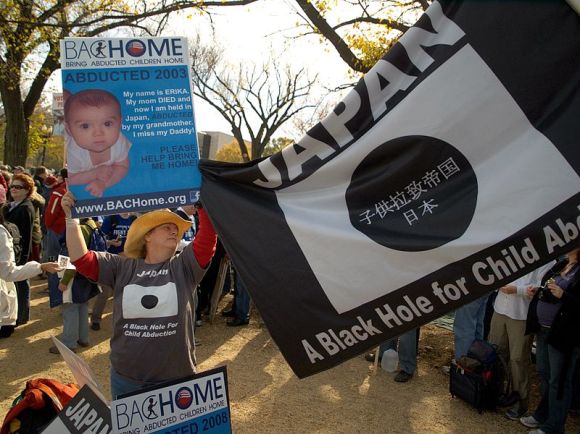
Of course, not everyone has benefited by coming to Japan. While the more sanguine might say that even bad experiences are good because they teach us how to deal with adversity, one can also argue that no one should have to endure injustices. In particular, having to return to your home country because of labor disputes, unfair contracts, corporate exploitation, or visa complications is all too prevalent in Japan. I doubt anyone who has fallen prey to violations of the Hague Convention and Japan’s international childhood abduction laws (which have allowed Japanese women to take children away from their fathers with little recourse), is something anyone would feel is a good experience. Yet these things do happen, and several people admitted to having been victims of the system, with varying results.
Has experiencing Japan made you a better person? Whether the answer is yes or no, let us know how in the comments section.
]]> https://soranews24.com/2015/12/31/does-the-experience-of-living-in-japan-make-you-a-better-person-the-good-bad-and-ugly/feed/ 0 290266 greentea tea calligraphy thankyou Screen Shot 2015-12-28 at 11.56.35 AM chart tea education protest Culture clash: 10 insider tips for visiting Japan https://soranews24.com/2015/12/15/culture-clash-10-insider-tips-for-visiting-japan/ https://soranews24.com/2015/12/15/culture-clash-10-insider-tips-for-visiting-japan/#comments Tue, 15 Dec 2015 01:00:49 +0000 http://en.rocketnews24.com/?p=287669 
The Japanese are known for their politeness, so it’s only natural that visitors to Japan want to know what to do, or not do, to avoid appearing rude. Check out this list of little behaviors that you won’t find in your guidebook.
I’ve compiled a list of things to think about when visiting Japan based on my own observations living here. None of the violations here will single you out as being rude per se, but if you can avoid these faux pas, you’ll earn the praise of the Japanese for being polite. That’s a pretty high honor in the land of politeness.
Okay, here we go:
1. Don’t ask your host for something unless you really need it.
 Flickr (Ed Schipul)
This may seem obvious at first, but you’d be surprised how often I hear someone at a minshuku (a family-run Japanese-style inn) say to their host: “Do you have some extra batteries (or whatever)? If you don’t, that’s okay, but I’d really like to use my electric shaver.” This request is perfectly okay in your own country, because the assumption is that if the person doesn’t have said object, they’ll say so.
The Japanese, on the other hand, find it very hard to decline requests; on the contrary, they feel obligated to fulfill them! If they don’t have batteries, they’ll either sacrifice the ones from their own TV remote control, or may even go down to the store themselves to buy some for you, which, while admirable, probably isn’t your intention when asking. If it’s something you really need, then by all means go ahead and ask, but if you follow it up with “If you can’t do it, that’s okay,” then you probably don’t really need it anyway and you’re better off not putting your host out.
2. When you have to ask for help…

After 20 years of living in Japan, I’ve hardly ever been asked to do a personal favor for someone. This is because in Japan, you’re expected to not inconvenience others and only ask the help of others when you really need it. But for the times you do need someone’s help, be sure to thank them the Japanese way: with a proper gift! The few favors I have been asked regarded proofreading a colleague’s English abstract for a research paper, and translating an English letter someone received from abroad. Usually, these incidences involved someone knocking on my door while holding a bag containing an expensively wrapped delicacy. In other words, they were ready with the gift before they’d even asked the favor! As a tourist, there are times when you’re going to need help. Maybe someone drives you to the hospital, or goes out of their way to so something. These people should be rewarded properly with a quality gift that shows you care. This is not the time to penny-pinch; give something more than that koala clip you’ve been handing out to people along the way.
3. When asking little favors…
▼ This little bear key chain is cute and appropriate to give in return for little favors.
On the other hand, when someone does a little favor for you (maybe you borrowed a converter at the minshuku to plug in your electronics), that’s when to employ those koala clips, Japanese and American flag lapel pins, Swiss chocolate bars, Dutch clogs key chains, etc. Keep in mind that you can even give food or snacks to people (which can be really fun if you can find something unique or quirky from home to carry with you, such as Swiss cow flavored potato chips or something). I am frequently given cans of ‘Pocari Sweat’ or canned juice when I do incidentals for Japanese people. In this case, it’s the gesture that counts, not how much you’ve spent.
4. Lower your voice. Yes, you!
One of the things you’ll notice when you come to Japan is that the Japanese are, generally speaking, quiet people. While they can be boisterous and loud when in groups (especially when drinking), the average person, when on his or her own, is downright demure. As a general rule, do not speak in a loud voice when having a conversation—regardless of whether the person you’re talking to is Japanese or a fellow foreigner— and don’t raise your voice when you get upset. A good rule to follow is: never talk louder than anyone else in the room, even if you’re angry. A booming voice is embarrassing to Japanese people who generally don’t like to attract attention or have their conversations overheard by those who aren’t a part of them, so be mindful of the other people around you. Pretend you’re in a museum if you have to.
5. Don’t dominate conversations
▼Be mindful that Japanese people are unlikely to jump into a conversation unless given the proper cues, which they’re probably waiting for.

I’ve mentioned being a better listener before, but it bears repeating. It’s easy to do all the talking in a conversation when Japanese people aren’t talking back the way you might expect them to. But usually your Japanese conversation partner just needs a bit more of a break in the conversation to jump in. Foreigners often mistake uncomfortable silences as an impetus to keep on talking! Resist the temptation and wait for the Japanese person to feel comfortable and start talking, or wait for a signal from the person (such as a request for more detail) before continuing. Japanese people will famously wait for you to finish your monologue before saying, “By the way…” and changing the subject, which they’ve been waiting to change for quite some time.
A good rule to follow is to insert questions into your dialogue every now and then. Questions invite the other person into the conversation and can also be used to check for comprehension to make sure the person is understanding your point.
6. Just the facts, please!

Slowing down the pace of your English just a tad (while resisting the urge to drop less important words) will also help when speaking with non-native English speakers because it gives them more time to process information. Good enunciation will also help your listener identify words which can sound completely different depending on the speaker’s accent. Cut the jokes, too. Most second language learners do not have the luxury of being able to understand sarcasm, innuendo, puns, etc. Again, just the facts, please! If you’ve ever watched the American TV show “South Park” you’ve probably noticed (besides its hilarious depictions of Japan) that it takes a while to clue into the fast talking, response-slinging, and slang-slaying used by the characters on the show. Have mercy on your listeners and don’t talk like a South Park character!
7. Level up your wardrobe

If you’re meeting up with Japanese people, dress nicely. it’s amazing how often I see smartly attired Japanese people dining with a foreigner who is wearing jeans and sneakers. It’s disrespectful to your guests as well as the restaurant. In Japan, jeans and sneakers are for musicians and artists.
8. Wear nice shoes

You’ll hardly ever see a Japanese person with shabby shoes. To the contrary, they’ll be clean, polished and probably of high quality. Why? It’s not just because the Japanese walk a lot to get around, but also because in Japan you often have to take your shoes off at the door to establishments (houses, restaurants, clinics, etc) so you don’t want to display worn, smelly footwear. Instead, be the well-heeled! Pity the poor woman (and yes, it is a woman!) who has to handle your shoes at the genkan and turn them around so the toes are pointing outward, so that when you leave, you can slip right into them.
And while we’re at it, during the shoe to slipper exchange, when you step out of your shoes in the genkan, step straight up onto the area where the slippers are waiting so as to avoid touching the dirty floor (where your shoes are) in your socks!
9. Barefoot, bare-chested, and bare-butted!
Despite the several naked festivals in Japan, flesh-flashing antics such as skinny dipping in the sea, even at night when you think no one is looking, is a no-no. Sorry, butt…
Men walking around bare-chested outside is considered uncouth too. I once noticed that in Bali, many of the Japanese young males walked around the streets (and even into the open-air restaurants), without shirts on. When I asked one of these guys about this peculiarity, he said they pad around shirtless, “Because we can’t do this in Japan!”
Going barefoot outside (naked feet) will also raise eyebrows as it violates the whole idea of keeping dirt out of the house or building since you’ll just track it back inside on the soles of your feet. If you don’t want to go to the trouble to put your shoes back on when you’re only going outside for a moment, then use the outdoor slippers provided for this purpose.
10. Hugs are awkward
▼ Well, okay, but only if they’re free!

No one is saying you can’t give a Japanese person a hug if you feel touched by something they did for you, but keep in mind this well-intended gesture will most likely make the person feel very uncomfortable. Yes, despite the limited success of the free hug campaign in Japan and the world, this level of physical contact still isn’t common here. My rule of thumb on this (because we just have to hug, don’t we?!) is if the person has lived abroad before, then give them a hug. If they haven’t, shake their hand instead. I’ve never met a Japanese person who didn’t get an absolute thrill out of a hand-shake, so extend your hand when you want to thank a Japanese person or say good-bye.
I hope some of these tips will help you on your way to becoming a well-informed, Japanese-level-polite tourist to Japan! If you have further suggestions based on your own experiences, please let us know in the comments section below. For that, I give you a hearty handshake!
Now read:
Just when you thought you knew it all – 17 life-changing lessons learned in Japan

]]> https://soranews24.com/2015/12/15/culture-clash-10-insider-tips-for-visiting-japan/feed/ 0 287669 Really Really Screen Shot 2015-12-14 at 16.23.13 8070432946_8f7bdba384_z 2110063156_14fc67eda5_z-1 15398080071_81c9fee9c9_z 13178976084_accebe41c5_z-1 2550349404_3251282109_z jeans mensshoes Really 401919914_85cc8dc1ac_o 139h2 8 things you should never say to a Japanese person https://soranews24.com/2015/12/09/8-things-you-should-never-say-to-a-japanese-person/ https://soranews24.com/2015/12/09/8-things-you-should-never-say-to-a-japanese-person/#comments Tue, 08 Dec 2015 16:00:08 +0000 http://en.rocketnews24.com/?p=286403 We asked Japanese people to tell us the things foreigners say or think about Japan that really gets their goat—and they were happy to oblige! How many of these faux pas are you guilty of?
We expats living in Japan tend to gripe about the stereotypes about our native countries. If you’re from England, for example, someone here might bring up the poor reputation of English food; if you’re Canadian, you probably don’t like being mistaken for American; and I once met an Iranian living in Japan who lamented that people confuse Iranians with Arabs. So today we’re going to turn the tables and ask Japanese people about the things foreigners say or think about the Land of the Rising Sun that really irks them.
1. “Ni-hao”
A recent Japanese tourist to Italy said that she was surprised that vendors in the streets selling umbrellas, selfie sticks, etc. (who also appeared to be foreigners) greeted her with “Nihao” instead of “Konnichiwa.” Furthermore, at a restaurant in Rome, her family was seated in a section with other Asians rather than among tourists of all nationalities. “It reminded me of the now famous incident with Gackt, at a French hotel,” she said.
2. “You must be Korean.”
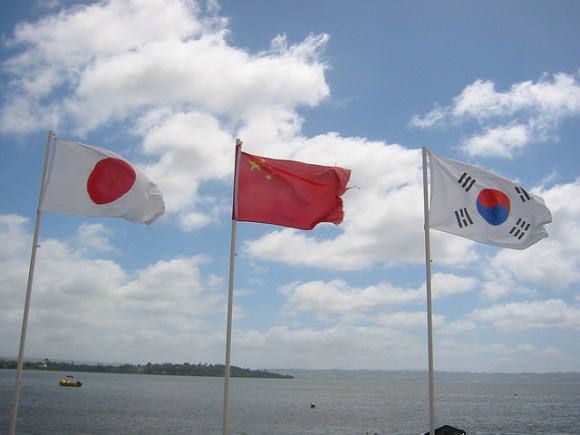
If you can’t tell the difference between Japanese, Korean and Chinese people, don’t feel too bad because some Japanese people say they can’t either. But most Japanese people say they most definitely can detect the difference, so you’ll likely be insulting them if you call them anything other than Japanese. If you’ve never been to Asia, it may be even harder to recognize where someone is from, but it’s best to be sure before you make any desultory comments. Keep in mind that these three countries, despite any similarities they may have, are vastly different when it comes to politics, language, culture, and just about everything that isn’t superficial! And as politics continues to divide Asian countries along sociopolitical and religious lines, this has become an even more sensitive issue. Find out, or ask, before passing judgement.
3. Saying, “You’re Japanese, right?” to an Okinawan.
An American living in Okinawa laments that once he was chastised for thinking a Japanese woman was Okinawan. “I couldn’t tell the difference between Japanese and Okinawans then and I still can’t. I didn’t mean to be rude,” he said. “I learned later that it was a cultural thing.”
Just like Hawaii is part of the U.S. but has a distinct Hawaiian culture and people, Okinawa, although part of Japan, has a distinct original population. Naturally, indigenous people are proud of their roots and are partial to the things that make their culture unique. When visiting Okinawa, if you’re not sure if someone is Okinawan or Japanese, rather than risk an uncomfortable situation, better to find out first.
4. “What do you think about Yasukuni Shrine?”
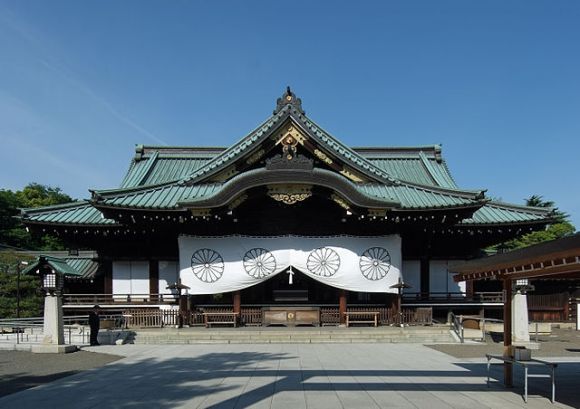
Yasukuni Shrine, a place so controversial that even Justin Beiber’s visit was considered scathing, is a place that breeds contention between Japan and some other Asian countries, namely China and South Korea. One of the most popular and important shrines in Japan, Yasukuni honors all 2,466,532 people who have ever fought for Japan (including foreigners and children) and thus serves as a memorial to Japan’s fallen military personnel. The problem with Yasukuni is the dilemma it presents other countries, since 1,060 of the enshrined are war criminals, and 14 are considered Class A war criminals. Fortunately, the controversy has been out of the news for some time now since Prime Minister Shinzo Abe no longer visits the contested shrine, favoring Ise Shrine instead. On one hand, he has ceased stoking of the ire of other Asian countries who oppose a prime minister’s visit, while on the other is aligning himself with the Imperial family, who have a close connection to Ise Shrine.
Your average Japanese person doesn’t want to get involved with the sociopolitical cross-fire, and feels uncomfortable voicing their views, whatever they may be, in front of others, so it’s best to avoid the topic of Yasukuni altogether.
5. Why do you still have an emperor?
Foreigners are generally curious about the oldest continuing hereditary monarchy in the world and may even ask why there is still an emperor. Although Emperor Akihito and the royal family are treated more like celebrities these days, foreigners raising the subject of Japan’s emperor often has some connection to WWII and Japan’s history before the war. In modern, peace-loving Japan—a result of the outcome of WWII and the imposed constitution (Article 9)—most Japanese have moved on and prefer not to talk about their country’s Imperial past. If you must talk about the royal family, talk about kawaii Princess Aiko or beautiful Princess Kako (something everyone agrees on!).
6. How often do you meditate?
▼ I meditate pretty much all day, every day, for about 750 years now.
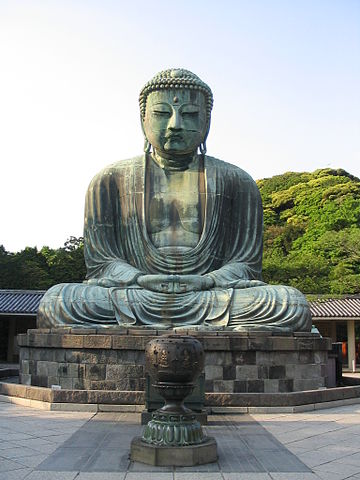
While most Japanese, when pressed, will tell you that they are Buddhist (and Shinto) that doesn’t mean they meditate, know the Lotus Sutra by heart or are familiar with the finer points of either religion. Although most Japanese follow religious protocol at weddings, funerals and assorted festivals, when asked specific questions like, “So, what’s the priest doing now?” while watching a festival, or “How often do you meditate?” they’ll probably feel like they’re being put on the spot, which is never comfortable.
Which leads us to faux pas number seven:
7. Why? When? How?!
▼ Not another question! (yawn)



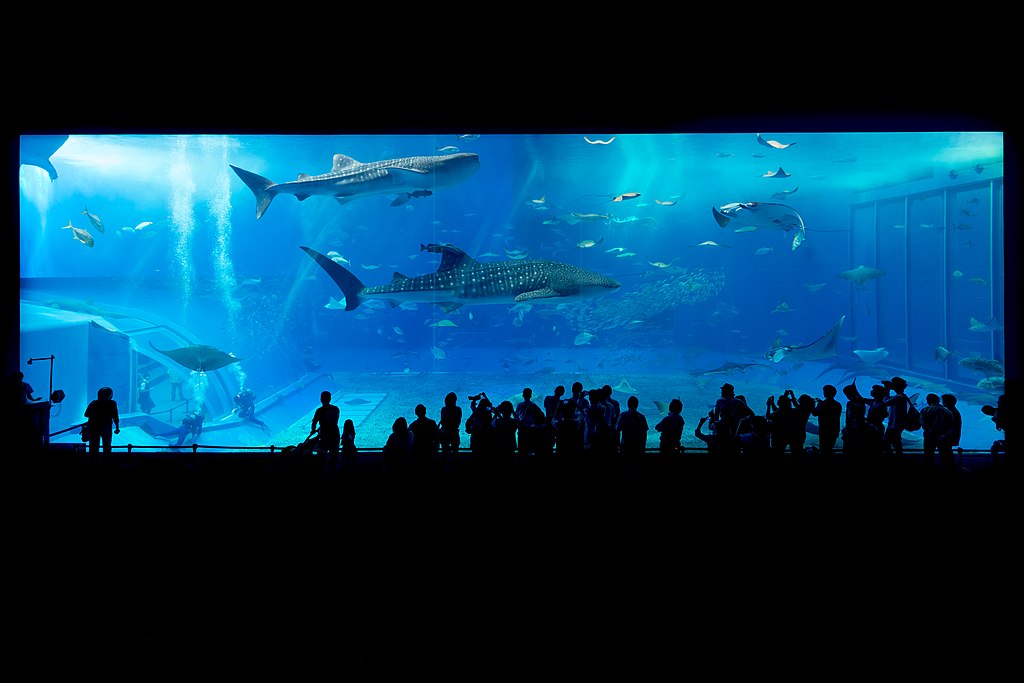


“How can you eat fish three times a day?” (Answer: sushi, sashimi, octopus salad, grilled eel, chirashi zushi, tempura udon, miso soup, shrimp curry, dried squid, nabe, etc.) “Where are all the bicycles?” (Answer: Um, China maybe?). What do you think of the issues surrounding the Senkaku Islands? (Answer: Uhhh…). Foreigners ask a lot of questions! While it’s fine to be curious, and it’s flattering to know there is so much interest in their country, many Japanese feel exhausted at the end of a day showing foreigners around, especially if the host’s English isn’t that fluent (and probably even if it is!). It can seem like an unending pop-quiz on Japanese history and religion for the locals. Choose just a couple of your most pressing concerns to ask each person, rather than bombarding someone with everything you’ve been dying to know.
8. Honda, Panasonic, Toyota!
We’ll leave you with a funny story from one of my ex-colleagues. “When I traveled to the U.S.A. and people found out I was from Japan, they’d often call out a few company names in a row. I do not recall all of them, but one name I vividly remember was always ‘Toyota!’ I usually replied saying ‘I have nothing to do with the company.'” While this is just seem like a playful reaction at first, hearing it over and over just might get your goat. Meh-eh-eh!
Foreigners—we’re a curious lot, aren’t we?
Go ahead and share your faux pas with us in the comments section below!
Featured image via eharmony

]]> https://soranews24.com/2015/12/09/8-things-you-should-never-say-to-a-japanese-person/feed/ 0 286403 Screen Shot 2015-12-08 at 13.05.03 flags shrine statue cat