Rachel Tackett – SoraNews24 —Japan News— https://soranews24.com Bringing you yesterday's news from Japan and Asia, today. Fri, 20 Dec 2013 09:26:32 +0000 en-US hourly 1 https://wordpress.org/?v=7.1.4 https://soranews24.com/wp-content/uploads/sites/3/2020/05/en_rocket_1024.png?w=32 Rachel Tackett – SoraNews24 —Japan News— https://soranews24.com 32 32 176746664 Pizza Hut Japan’s latest promotion gives “golden crust pizza” new meaning https://soranews24.com/2013/12/20/pizza-hut-japans-latest-promotion-gives-golden-crust-pizza-new-meaning/ https://soranews24.com/2013/12/20/pizza-hut-japans-latest-promotion-gives-golden-crust-pizza-new-meaning/#comments Fri, 20 Dec 2013 11:30:52 +0000 http://en.rocketnews24.com/?p=111379 
Though it may not be a traditional holiday dish, pizza is often the perfect entrée for the holiday season. After all, between Christmas and New Years, there’s bound to be an opportunity to throw a party for your friends, and for those who’d rather not slave away in the kitchen for a day, pizza is often the best way to provide food to a group.
Well now Pizza Hut Japan has given us a new reason to party: in its latest promotion, the company is giving away actual gold necklaces worth nearly a thousand dollars each.
That’s right, early next year Pizza Hut will be giving away eight gold necklaces with pendants shaped like pizza slices. Now, while that may not sound like much, each necklace has an estimated value of 80,000 yen (US$770)!
Winners will be determined by lottery, the application period extending from now until January 5 2014. In order to register for a chance to win, one must be a member of Pizza Hut Online and place an order worth at least 4,500 yen (US$43). For anyone planning a party, it shouldn’t be all that difficult. Pizza Hut’s current winter party set (two medium-sized pizzas), a 5,660 yen value, is currently on sale for 4,660 yen, thus meeting the requirements for entrance!
Just imagine how great it would be to start off the new year with a pizza delivery made of gold. For eight lucky people, this will actually be the case. Chances are that they will never know or meet each other, but together, their pendants will complete a tiny golden pizza, in an invisible bond that spans the nation. It’s almost romantic when you think of it that way, though admittedly rather cheesy.
Reference: Pizza Hut Online (Japanese)
Photos: RocketNews24


]]> https://soranews24.com/2013/12/20/pizza-hut-japans-latest-promotion-gives-golden-crust-pizza-new-meaning/feed/ 0 111379 pizzanecklace01 pizzanecklace04 pizzanecklace03 pizzanecklace02 Homeless man mistakes phone straps for food, is arrested for theft https://soranews24.com/2013/12/19/homeless-man-mistakes-phone-straps-for-food-and-is-arrested-for-theft/ https://soranews24.com/2013/12/19/homeless-man-mistakes-phone-straps-for-food-and-is-arrested-for-theft/#comments Thu, 19 Dec 2013 09:30:31 +0000 http://en.rocketnews24.com/?p=111055 
Japan has an unspoken problem with homelessness in its cities. It’s not uncommon to see tent cities along the edges of recreational parks or to see leather-skinned men sleeping on newspapers around the train stations. These people are largely ignored by the public and will keep to themselves unless provoked by some means. The vast majority do not even beg.
Unfortunately, the problem of poverty is not the only issue that these people face. Mental illness is not uncommon amongst the homeless, and the combination of hungry people and unstable mental states can lead to some especially unfortunate circumstances.
On December 16 in Yamagata Prefectures a 63-year-old man was arrested for stealing three cell phone straps and a tube of sweet bean paste from a souvenir shop in JR Yamagata Station. The man’s name is Toshio Takase, and he is both homeless and jobless. According to the police report, the man had very little money in his possession at the time of arrest and had not had anything to eat in a number of days. He apparently believed that the phone straps, plushies in the shape of edamame, were actually food! Store clerks took note of the theft immediately and contacted the authorities.
All in all, this is a truly sad tale of starvation and disillusionment. But, if there is a silver lining to this tale, at least the poor man will have some hot meals for as long as he’s in custody.
Source: Mainichi Shinbun via Hachima Kikou (Japan)
Image: Sakuranbo Shop
]]> https://soranews24.com/2013/12/19/homeless-man-mistakes-phone-straps-for-food-and-is-arrested-for-theft/feed/ 0 111055 dadacha mame01 Willful ignorance ensures the existence of off-color Asian tattoos https://soranews24.com/2013/12/18/willful-ignorance-ensures-the-existence-of-off-color-asian-tattoos/ https://soranews24.com/2013/12/18/willful-ignorance-ensures-the-existence-of-off-color-asian-tattoos/#comments Tue, 17 Dec 2013 20:30:52 +0000 http://en.rocketnews24.com/?p=110685 
Has internationalization taught us nothing? How strange it is that so many people can laugh unabashedly about the Orient’s attempts at “Engrish” and yet remain stubbornly ignorant of the meanings behind many Asian symbols, whether they’re printed on t-shirts or inked into their skin?!
Yes, the existence of tattoos with inappropriate meanings remains an epidemic. What’s perhaps the most surprising is that even in this day and age many people sporting these strange Asian symbols didn’t necessarily skimp on the research and just got suckered into something by their tattoo artists. Rather, many Western people don’t care enough to ask about the meanings at all!
One of China’s daily world newspapers recently reported the tale of Hoan, a Chinese woman living in America who moved from the state of Missouri to the bustling metropolis of New York City. Soon after settling in, she received a knock on her front door and was confronted with a Latin-American man with the Chinese for “casket maker” tattooed on his upper arm. Taking the words as a metaphor for some sinister lifestyle and thinking that she’d somehow crossed paths with a member of an organized crime syndicate, Hoan promptly shut the door in his face.
As it turns out, the guy was actually a pizza delivery man, but for being a newcomer in a strange land, we can surely forgive her some initial confusion. Chinese and Japanese people living in Western societies often encounter these sorts of awkward situations where they understand perfectly the kanji that people decorate themselves with. Oftentimes, these symbols are chosen for their exotic appearance, rather than their actual meaning.
In fact, when Hoan visited the pizza shop at a later date and asked the “casket maker” what he knew about the meaning, he reportedly didn’t have a clue! He chose the words because they had “such great impact and looked really cool.” He never bothered to ask about the meaning. I’ve got to say that it’s hard to pity someone with that sort of attitude, no matter how many strange stares they may garner…
Thankfully, not everyone is so willfully ignorant. Many people will look up symbols online before making their way to the tattoo parlor, but even then, mistakes can be made. One man apparently looked up the word “free” in an online dictionary and had the results of his search inked. Unfortunately, what he thought said “free” in the ‘freedom’ sense actually said so in the ‘zero charge’ sort of way. But at least he tried, right?
I guess the moral of this story is to be cautious when getting inked in kanji. Either learn the language or do a lot of research before having any Asian characters injected into your flesh. And if you can, check the meaning with a native before you follow through with it. Otherwise, you could be the next “ugly,” “self comfort,” or “casket maker.”
Source: Record China via Hachima Kikou (Japanese)
Image: Hanzi Smatter
]]> https://soranews24.com/2013/12/18/willful-ignorance-ensures-the-existence-of-off-color-asian-tattoos/feed/ 0 110685 tattoo kanji tattoo kanji Why does MOS Burger break from actual burgers for their Japanese-style menu? https://soranews24.com/2013/12/17/why-does-mos-burger-break-from-actual-burgers-for-their-japanese-style-menu/ https://soranews24.com/2013/12/17/why-does-mos-burger-break-from-actual-burgers-for-their-japanese-style-menu/#comments Tue, 17 Dec 2013 06:00:12 +0000 http://en.rocketnews24.com/?p=110404 
Since coming to Japan, I’ve had to adjust my expectations when it comes to eating out at burger joints. I’m not sure whether it’s their selection of spices or the addition of strange, seasonal toppings that affects the taste so much, but for better or worse the flavor of Japanese hamburgers rarely matches that of the burgers back home in America.
MOS Burger presents the perfect example. This Japan-based fast food chain’s main claim to fame is a delicious sort of sandwich that tastes like the love child of a standard hamburger and a sloppy joe. But that’s only the beginning. MOS Burger truly pushes the boundaries on what constitutes a burger with their corner of the menu for Japanese-style flavors like miso mackerel between “buns” of tightly packed rice.
Really, what sort of logic could possibly prompt a burger shop to pursue such Japanese style? Sure the company is based in Japan, but who goes to a burger joint for the rice and miso soup?!
Recently, the Japanese side of our RocketNews24 staff landed an interview with Tsuneari Ota, a member of MOS Burger’s food and service product development department. According to him, the Japanese-style menu is the company’s attempt to reach out to families that span three generations. “Kids and their parents are used to eating fast food, but their grandparents are often less familiar with these sorts of places. We want to appeal to that older generation by putting effort into our Japanese-style menu items. MOS Burger is a place that embodies every aspect of Japanese flavor, for the good of the whole family.”
▼ Tsuneari Ota with product development for MOS Burger.

The latest seasonal items to hit the Japanese-style MOS menu are rice burgers with mackerel in miso paste with a variety of boiled vegetables. The items first went on sale October 29, though they were in development long before that. According to Oita, “The goal was to create a simple flavor, which would be delicious and inspire one to smile while eating. We went through many variations on the mackerel before we got it right.” Apparently, keeping the flavor of freshness intact posed a large hurdle. In the end, the complete process of preparing the fish actually takes about four days and includes pickling and pressurizing it! But the results are well worth it and perfectly suited to a Japanese palate.

In another attempt to expand the chain’s horizons, many branches of MOS Burger actually offer a breakfast menu until 10:30 each day. While it doesn’t sound entirely appetizing to eat a hamburger for breakfast, items like rice and fish are staples of a traditional Japanese breakfast. And so, the Japanese-style menu at MOS has lent itself well to serving the public in the early morning. At present, three varieties of rice burgers can be bought as a breakfast set with a side of miso soup.
▼ Enjoy miso mackerel, mixed vegetables, or some scrambled egg between rice patties! Order it with a side of miso soup and pickled radish for breakfast!

So what’s in store for the future of the Japanese-style menu? RocketNews24 got the inside scoop on this one, straight from Mr. Ota. Apparently, they plan to continue with their rice burger series and develop new flavors. Attempts will be made with different types of fish, and perhaps natto (fermented soy beans).
Whatever comes next on their menu, while I can’t really expect it to satisfy my need for hamburgers, I’m sure it will do wonders to bridge the gap between modern fast food and more traditional Japanese meals.
Reference: MOS Burger (Japanese)
]]> https://soranews24.com/2013/12/17/why-does-mos-burger-break-from-actual-burgers-for-their-japanese-style-menu/feed/ 0 110404 mos japan06 Mos japan01 mos japan05 mos japan02 Japan’s five most common family names https://soranews24.com/2013/12/14/japans-five-most-common-family-names/ https://soranews24.com/2013/12/14/japans-five-most-common-family-names/#comments Sat, 14 Dec 2013 11:00:29 +0000 http://en.rocketnews24.com/?p=109965 
If you’re ever looking for the Japanese equivalent to “John Smith,” the go-to name is decidedly “Tarou Yamada.” And yet, if you look at today’s population, neither of those names top the popularity charts! Yamada, though simple to write and stereotypically Japanese, isn’t even in the top five for family names!
Now that we mentioned it, we’re sure you’re all curious to know now, so here’s a list of the five most common family names in Japan, as announcement by the Meiji Life Insurance Company.
The following list was compiled from a sample of 5.96 million members of Meiji Yasuda’s clientele. Take note that these results are based entirely on the kanji used and can actually be pronounced in a multitude of ways.
1) 佐藤 – Sato
2) 鈴木 – Suzuki
3) 高橋 – Takahashi
4) 田中 – Tanaka
5) 渡辺 – Watanabe
According to the full report, the percentage of people with the name kanji for Sato is 1.54 percent. If we apply that number to the entire Japanese population, we can assume that almost two million people share the name!
It would appear that our very own Mr. Sato isn’t as special as we try to make him out to be…
Source: Mainichi Shinbun via Hachima Kikou (Japanese)
Image: Wikipedia

]]> https://soranews24.com/2013/12/14/japans-five-most-common-family-names/feed/ 0 109965 hanko01 hanko01 The top 10 Japanese restaurants outside of Japan https://soranews24.com/2013/12/13/the-top-10-best-japanese-restaurants-outside-japan/ https://soranews24.com/2013/12/13/the-top-10-best-japanese-restaurants-outside-japan/#comments Thu, 12 Dec 2013 18:00:56 +0000 http://en.rocketnews24.com/?p=109428 
Last month, the outspoken Japanese blogger Madame Riri gave us all a lesson in how to tell whether or not a restaurant abroad serves authentic Japanese food. But let’s be honest, it takes more than tradition to make a dish delicious, and there’s something to be said for adjusting the menu to match local preferences. We’ve certainly experienced this phenomenon in the wide world of sushi!
And so, to celebrate the creation of successful Japanese eateries across the globe, here are the top 10 restaurants that serve Japanese food in foreign countries!
This list of exceptional Japanese restaurants was compiled based on restaurant reviews on the community-driven website, Trip Advisor. Rankings are based on both the number of comments that a restaurant received between the months of July 2012 and June 2013, as well as the restaurant’s average rating out of five stars. The complete list is 30 items long, though it does not include any of the restaurants within Japan itself. Today, we’d like to introduce the cream of the crop. Here are the top 10 Japanese restaurants outside of Japan, as decided by their patrons and critics.
1. Jorudan Sushi Naples, Italy
This sophisticated sushi bar is not only the highest-ranked Japanese restaurant outside of Japan, it’s also the 3rd greatest restraint in all of Naples, a city with approximately 1,250 eateries registered on Trip Advisor.
2. Sushic Fusao Almada, Portugal

The number one restaurant in all of Almada, a town just outside of Lisbon, this restaurant receives high praise for its great taste and friendly staff, even for those who don’t speak Portuguese.
3. Sake2Me Sushi Hays, USA

Again, another restaurant that tops its city’s charts! In spite of being a small town in the landlocked state of Kansas, the fish they serve has a truly fresh taste and is absolutely top-notch.
4. Sushi Rock Hawi, Hawaii

Located on the island of Hawaii, where many Japanese people like to travel, it makes sense for a sushi restaurant to exhibit some exceptional flavors. The array of flavors and the Hawaiian atmosphere make a perfect match.
5. Uchi Austin, USA

Ranked number two out of the 3,000-plus restaurants in Austin, Texas and fifth in the world for Japanese cuisine, this place is definitely worth a visit. Their daily “sake social hour” is another big plus!
Further down the list we have:
6. Kinji Japanese Restaurant in Christchurch, New Zealand
7. Koi Sushi in Cabo San Lucas, Mexico
8. Kanpai Sushi in Edinburgh, Scotland
9. Wazaaabi in Cancun, Mexico
10. Kotaro in Hanga Roa, Chile
At this point you might be noticing a trend in the number of sushi restaurants that have topped the list of Japanese eateries across the globe. It just goes to show how adaptable and popular sushi is as a cultural dish. We’d be willing to wager that many of these places have loosened their ties to traditional forms of Japanese cuisine, but they sure know what it takes to put together a delicious dish and appeal to the people they’re meant to serve.
If you happen to come close to any of these highly recommended restaurants, don’t miss the chance to give it a try! We’d love to hear your own personal reviews.
Source: My Navi Woman (Japanese)
Images: Trip Advisor
]]> https://soranews24.com/2013/12/13/the-top-10-best-japanese-restaurants-outside-japan/feed/ 0 109428 foreign japanese food02 foreign japanese food03 foreign japanese food04 foreign japanese food05 foreign japanese food06 American chef perfectly captures the scrumptious soul of Japanese cuisine 【Video】 https://soranews24.com/2013/12/12/american-chef-perfectly-captures-the-scrumptious-soul-of-japanese-cuisine-%e3%80%90video%e3%80%91/ https://soranews24.com/2013/12/12/american-chef-perfectly-captures-the-scrumptious-soul-of-japanese-cuisine-%e3%80%90video%e3%80%91/#comments Wed, 11 Dec 2013 20:00:30 +0000 http://en.rocketnews24.com/?p=109235 
A lot can be learned about a culture by investigating what it eats. Japanese cuisine is full of tradition in terms of preparation and presentation, thoughtfulness in regards to portion sizes, and an overall sense of resourcefulness. There are many things on the menu that may not sound appetizing to people with a Western palate when given a detailed description, but with good visual presentation, even the most obscure sounding dishes can become mouth-watering morsels.
The video From Japan with Love (and Dashi) produced by foodie and filmmaker Daniel Klein gives us all an amazing glance at some of Japan’s most iconic dishes. It gives a fine glimpse into the soul of Japan and is guaranteed to leave you hungry for Japanese cuisine!
From Japan with Love (and Dashi) is the first video from season three of Daniel Klein’s food-focused series, The Perennial Plate, available on the video sharing site, Vimeo. The three-minute clip captures highlights from the cultural exchanges and exotic meals that Klein encountered during his two-week stay in the land of the rising sun.
Klein’s journey across Japan included Tokyo, Kyoto, and Wakayama Prefectures, where he was introduced to the sorts of meals that real Japanese people consume daily. Special focus is given to fresh sushi, soba (buckwheat noodles), tempura, sake, and takoyaki (octopus balls) in turn. And although there’s next to nothing in the way of narration, it’s obvious from Klein’s expressions that he enjoys every bite. The filming of the food is astoundingly appetizing, and unlike the modified foodstuffs that you find in commercials, it speaks to the palate without any posturing. This is real food, made to eat exactly the way it appears on the screen.
Japan isn’t the only country for which Daniel Klein has compiled a montage of delicious meals. His travels span the globe, from America to Vietnam and places in between. If you’re in the mood for good-looking food, tease your taste buds with a few of his videos, but try to refrain from licking the screen. If you weren’t hungry before, you will be after watching these videos!
▼ Experience the most delicious aspect of Japanese life
▼ If you’d like to see more, here’s the local fare in Vietnam.
▼ Her we see the lifestyle of Americans who produce their own food.
Reference: The Perennial Plate
]]> https://soranews24.com/2013/12/12/american-chef-perfectly-captures-the-scrumptious-soul-of-japanese-cuisine-%e3%80%90video%e3%80%91/feed/ 0 109235 food video01 Fashionable fairy tale cosplays could pass as adorable dresses https://soranews24.com/2013/12/11/fashionable-fairy-tale-cosplays-could-pass-as-adorable-dresses/ https://soranews24.com/2013/12/11/fashionable-fairy-tale-cosplays-could-pass-as-adorable-dresses/#comments Tue, 10 Dec 2013 20:30:52 +0000 http://en.rocketnews24.com/?p=109003 
The mail order fashion brand, haco., has just released its second line of fairy tale inspired fashion items. They call these items cosplay, but not in the way that most Westerners might expect. Rather than recreate the characters from fairy tales as they would appear in real life, fashion designers asked themselves what these classic icons might wear if they were actually young human girls. The results are absolutely adorable.
Back in August, haco. released its first line of whimsical cosplay dresses, drawing inspiration from fairytale archetypes like witches and fairies, as well as Sleeping Beauty and others. This new set of costumes is modeled after the characters from Puss in Boots, The Three Little Pigs, The Blue Bird, The Ugly Duckling, and the Town Musicians of Bremen.
But, rather than sell people a pig snout or some knee-high clompers, the company offers fashionable dresses with fanciful designs and much subtler references to the characters they embody. For example, the dress modeled after Puss in Boots has silk ribbon along the skirt and sleeves, creating designs which represent the feline’s sword, and the wide belt around the middle is meant to give the outfit a classical air. Meanwhile, the dress designed after The Three Little Pigs has an adorable sailor collar and off-centered buttons, somewhat reminiscent of a fancy chef shirt.
Ultimately, it’s hard to think of these outfits as cosplay items, but perhaps that’s what makes them so popular!
Reference: haco.
▼ Puss in Boots is so cool and classy.

▼ Being a pig is no longer an insult with this cute outfit.

▼ The Blue Bird of Happiness will bring you great joy.

▼ There’s nothing ugly about this darling little duckling.

▼ And finally, let’s end on another high note from the Town Musicians of Bremen.

]]> https://soranews24.com/2013/12/11/fashionable-fairy-tale-cosplays-could-pass-as-adorable-dresses/feed/ 0 109003 fairy tale fashion01 fairy tale fashion02 fairy tale fashion03 fairy tale fashion04 fairy tale fashion05 fairy tale fashion06 Fans in Japan can listen to Lady Gaga’s latest hits by embracing her life-size doll https://soranews24.com/2013/12/07/fans-in-japan-can-listen-to-lady-gagas-latest-hits-by-embracing-her-life-size-doll/ https://soranews24.com/2013/12/07/fans-in-japan-can-listen-to-lady-gagas-latest-hits-by-embracing-her-life-size-doll/#comments Fri, 06 Dec 2013 16:30:35 +0000 http://en.rocketnews24.com/?p=107860 
Lady Gaga has earned quite a reputation for her forward-thinking song lyrics and strangely obscene fashion sense. Japan, in particular, is enthralled with the pop star and quick to embrace her Asian-inspired appearance and catchy tunes.
Now, in conjunction with Lady Gaga’s latest album release, residents of Japan will be able to literally accept the idol’s music and image into their arms, thanks to the creation of the GAGADOLL, an audio preview device in the shape of Lady Gaga, herself. This life-size doll has a softly playing speaker built into its bust, so when someone lays their head upon her chest they can hear her music in place of her heartbeat.
Lady Gaga’s latest album, ARTPOP hit the shelves just last month, on November 6. But rather than set up listening stations with simple, boring headphones in every music store, Lady Gaga’s Japanese marketing team called for the creation of many life-like Lady Gaga dolls to do the trick! The figures were created by the talented “love doll” manufacturer, Orient Kogyo, in conjunction with the digital sound engineering skills of the people over at PARTY. The body is made of a special kind of silicone to properly capture the super star’s facial features and skin texture. Inside, there is a speaker system that operates using “bone conduction,” meaning that one must rest their head upon the GAGADOLL’s breast in order to hear her music and a personal message. It’s quite intimate…
Recently, Universal Music Japan released a video on YouTube which captures how the GAGADOLL is made. It shows everything from the molds that recreate her face structure to the installation of the sound system. The video, other news, and information on renting out one of the dolls are all located on the GAGADOLL official website.

As strange as this all seems, meeting the mannequin in person or visiting the official site still aren’t the only ways to get information out of a GAGADOLL. Yahoo! Japan has their very own GAGADOLL website, wherein they project up-to-date information about the idol and her social networking sites on the body of a standing GAGADOLL.
▼ Every image on the doll’s clothing is a link to more information.

And how does the original idol feel about her army of look-alikes? Lady Gaga rates them as better than Barbies, to say the least.
▼ In a related Tweet she said, “Who needs barbies when you can own your own life size pop star that sings to you”

Source: Net Lab (Japanese)
Images: YouTube, Yahoo! Japan, Lady Gaga on Twitter
▼ If you’d like to see how the GAGADOLLs are made, you can watch the process here or on YouTube.
]]> https://soranews24.com/2013/12/07/fans-in-japan-can-listen-to-lady-gagas-latest-hits-by-embracing-her-life-size-doll/feed/ 0 107860 lady gaga doll04 lady gaga doll03 lady gaga doll02 lady gaga doll01 How much would the world miss Japan if it suddenly disappeared? https://soranews24.com/2013/12/05/how-much-would-the-world-miss-japan-if-it-suddenly-disappeared/ https://soranews24.com/2013/12/05/how-much-would-the-world-miss-japan-if-it-suddenly-disappeared/#comments Wed, 04 Dec 2013 15:00:23 +0000 http://en.rocketnews24.com/?p=107188 
When you live in a country for long enough, it’s easy to forget the things that set it apart and really make it special. In largely homogenous societies, like that of Japan, it’s easy to take daily amenities for granted without ever stopping to consider that commonplace objects are unique to the culture and perhaps novel to people of other nations.
A recent book released by Earth Star Entertainment aims to give the people of Japan a fresh perspective on their island nation, as well as celebrate the many things that it has to offer to the world. The book’s title translates to What if Japan Disappeared: Japan’s Ability to Support the World, and from the few short excerpts we’ve seen, it’s obvious that Japan thinks quite highly of its contributions to the world’s economy, entertainment, and food options.
But in the grand scheme of things, how much would the country really be missed if it suddenly disappeared from this world?

Let’s start off this list with one of the more important categories: cash. Fears of further recessions or not, if Japan were to suddenly vanish, the world economy would take a major hit. According to the numbers collected by the book’s original author, Japan has the world’s third highest GDP (gross domestic product), having overtaken China in 2010. Somehow the little island country still manages to rake in 10 percent of the world’s profits, thanks in no small part to their technological strength and reliable quality of design. It’s very hard to argue with the idea that if Japan were to vanish, world economies would be thrown into chaos for quite some time.
But what about some of Japan’s less necessary exports, like entertainment? How might the world fare if, for example, there was no longer a supplier of anime and manga on the market?
According to the original text, without Japan’s 2-D entertainment industry, otaku – fans of an obsessive nature – would cease to exist! It should be noted, however, that the author’s quote largely underestimates the variety of styles and storylines that come with world comics. While it’s true that Japanese manga has a unique sense of artistry associated with it, it’s also not the only storytelling medium to incorporate complex plots and impressive layouts with disproportionately large bra sizes. While countless people would certainly miss their favorite manga and anime updates, if Japan were to disappear, I simply can’t believe that awkward fans who embody the otaku spirit would also cease to exist. We would call them geeks and nerds, but nevertheless hardcore fans of games, super heroes, and sci-fi would continue to obsess in an otaku fashion, even if manga were not on the market.
In another nod to the entertainment industry, the book lists adult videos as Japan’s third major contribution to the world. And indeed, it would appear that Japan is the leader of Asia’s mature-rated movie sphere. However, once again, I fear that the author gives too little credit to the ingenuity of foreign porn productions. The excerpt lists established AV genres in Japan, such as “uniforms” and “chubby women” as though catering to such kinks is not done in other countries. Granted, the hypothetical disappearance of Japan would undoubtedly diminish the volume of pornography produced each year. Still, I’m certain that the world’s other porn producers would be more than happy to pick up the slack, and with a lot less censorship to boot!

The last item taken as an excerpt from the original book is, surprisingly, cup noodles! Instant ramen was first developed by a Japanese company and has since gained a great deal of traction abroad, appearing both in plastic packets and paper cups. It’s said that more than 95 million containers of instant ramen are consumed outside of Japan each year. Now, while the industry has established itself abroad, to the point where losing Japan would not cripple the necessary production of instant noodles, if we approach the problem from the perspective of Japan having never existed at all, the lack of instant noodles would be a true loss, particularly for hungry American college kids.
As much as we like to give Japan flack for the things it gets bass ackwards, the island country is a fount of unique culture and creative opportunities. These self-proclaimed points of contribution may be to some extent debatable, but the attitudes, the culture, and strange obsession with animal bottoms would be nevertheless missed if the country ceased to be.
Source: Niconico News (Japanese)
Images: V Bulletin, Amazon Japan Slow Lifestyle
]]> https://soranews24.com/2013/12/05/how-much-would-the-world-miss-japan-if-it-suddenly-disappeared/feed/ 0 107188 without japan01 without japan01 without japan02 noodles Fangirls fawn over Nagano police station’s new pretty-boy mascot characters https://soranews24.com/2013/12/03/fangirls-fawn-over-nagano-police-stations-new-pretty-boy-mascot-characters/ https://soranews24.com/2013/12/03/fangirls-fawn-over-nagano-police-stations-new-pretty-boy-mascot-characters/#comments Tue, 03 Dec 2013 05:30:39 +0000 http://en.rocketnews24.com/?p=106862 
The central police station in Nagano Prefecture is revamping its image by introducing a new pair of mascot characters. But unlike the jiggling yellow blobs and big-headed animal abstractions that we’re used to seeing, these two image characters are beautiful men, drawn in a popular manga style that often appeals to young women. They’ve only been around for a couple of days, but these pretty-boy policemen are already attracting a lot of attention!
The Nagano Central Police Station has called upon the artistic talents of Karakemi to create two attractive-looking characters who will help them keep order in their district. These are not the bumbling idiots or donut-eating lumps that are often used as cartoon characterizations of cops. Their names are Shiro Hokari, a young new member of the police force, brimming with a strong sense of justice, and Mamoru Tezuka, a calm and experienced senior officer in the prime of his life. And they look both competent and quite attractive in their snappy, blue uniforms.
The pair apparently work close together in an illustrated approximation of Nagano and are to be used as mouthpieces for the district’s law enforcement, appearing on official announcements and acting as poster boys for the police. Here’s what we know about the characters thus far:

Name: Shiro Hokari (26)
Favorite food: meat, perilla mint cookies
Least favorite food: bugs and worms
Hobbies: skiing, watching movies
Special skill: re-enacting short scenes from foreign TV dramas
Message to Tezuka: “Why do you know all the kinds of candy that I keep in my drawer? And could it be that you’re the one who keeps slipping in new sweets as they become popular?”
Name: Mamoru Tezuka (42)
Favorite food: chestnut flavored pastries from Obuse, grilled turnip greens
Least favorite food: spicy things
Hobbies: travel, cooking
Special skill: making soba noodles
Message to Hokari: “Could you please stop taking a daily sip from my thermos? If you were to just ask, I’d be happy to make you some. Hahah.”

The Nagano Police Station’s website plainly features these two admirable men, though the extent to which they will be utilized is not entirely clear. There is a section of the site reserved for explaining how these characters (and presumably the actual officers in the station) go about their jobs. But that portion of the site is currently under construction.
Still, the large number of unanswered questions surrounding the police station’s new pretty boys hasn’t hindered the imaginations of Japanese fangirls in the slightest. Already, in true Rule 34 fashion, there are images of the imaginary police pair up on pixiv in situations that would suggest that the two are involved in ways beyond that of mere coworkers. Considering all of the casual indirect kisses that must occur over the older man’s thermos, I guess there’s some small justification for the pairing. There’s certainly no mention of girlfriends or wives to hinder the fantasy. I guess we’ll just have to see what sorts of stories and images are released from now on. Fangirls, be on the lookout for significant glances and other tells.
Source: Jin115
Images: Nagano Central Police Station


]]> https://soranews24.com/2013/12/03/fangirls-fawn-over-nagano-police-stations-new-pretty-boy-mascot-characters/feed/ 0 106862 nagano police07 nagano police05 nagano police02 nagano police01 nagano police04 The real reason Doraemon is blue? New sadder tale rewrites the robot cat’s past https://soranews24.com/2013/11/28/the-real-reason-doraemon-is-blue-new-sadder-tale-rewrites-the-robot-cats-past/ https://soranews24.com/2013/11/28/the-real-reason-doraemon-is-blue-new-sadder-tale-rewrites-the-robot-cats-past/#comments Wed, 27 Nov 2013 19:00:58 +0000 http://en.rocketnews24.com/?p=105436 
Japanese children have been growing up with the resourceful robo-cat Doraemon since his creation in 1969. And while the original manga may have ended more than 15 years ago, the anime series and movie installments continue to provide fresh conflict for the funny feline and his human friends.
But with so much material to keep up with, there are bound to be a few contradictions along the way. Recently, the widely understood reason behind Doraemon’s blue coloring was flat-out replaced by an even sadder version of the tale. So, why is it that a robotic cat from the near-distant future is earless and blue?
Story has it that Doraemon used to have ears and was yellow in color. Unfortunately, when he was napping one day, mice came and gnawed at those little listening appendages until they were completely unsalvageable. Apparently, when the bandages around Doraemon’s broken head were finally removed and he saw his circular head in the mirror, the yellow drained from his skin, leaving his body completely blue! It has been that way ever since.
At least, that’s how the story used to go.
According to more recent trivia, Doraemon’s blue color comes at the cost of many tears. In a more recent anime episode, it’s shown that his yellow paint flaked off soon after his girlfriend cruelly laughed at his perfectly round face. Doraemon tried to be resourceful and lift his spirits in the wake of her laughter using a quick and easy dose of “the source of happiness.” However, he made a mistake and accidentally drank “the source of tragedy” instead. The resulting tears shook Doraemon’s body so hard that all of his yellow paint peeled away, revealing that familiar blue color underneath.

Now, while I’m sure that fans of American comics are used to this kind of retcon (retroactive continuity) in their own fandoms (seriously, how many stories are there for the origin of the Joker’s smiling scars?), for the millions of Japanese people who grew up believing one thing about their favorite future cat-bot, this second origin story is causing a lot of confusion. They’re not sure which canon is the real one! And if the fundamental facts concerning this well-established character’s back story are falling apart so decisively, how many lesser contradictions might have slipped by unnoticed?
Source: Gadget Tsushin via Hachima Kikou (Japanese)
Top image: Meijoyce
]]> https://soranews24.com/2013/11/28/the-real-reason-doraemon-is-blue-new-sadder-tale-rewrites-the-robot-cats-past/feed/ 0 105436 yellow doraemon02 yellow doraemon02 yellow doraemon03 Can you handle the heat at Fukugonji’s annual firewalking festival? https://soranews24.com/2013/11/26/can-you-handle-the-heat-at-fukugonjis-annual-firewalking-festival/ https://soranews24.com/2013/11/26/can-you-handle-the-heat-at-fukugonjis-annual-firewalking-festival/#comments Mon, 25 Nov 2013 17:30:28 +0000 http://en.rocketnews24.com/?p=104638 
Over the course of a year, we humans can accumulate a lot of mucky emotions. We inevitably forget the dangers that certain fiery passions, like anger and envy, can do to our psyches. In order to remind ourselves to retake control of these troublesome fires that burn within us, we must take a walk through physical flames and let the fear of literal fire burn away our emotional impurities.
At least, that’s the idea behind Fukugonji’s annual firewalking festival! Each year, on second Sunday of December, this Zen Buddhist temple in Aichi Prefecture invites all members of the public to step across their scorching coals and reclaim inner purity at the Fukugonji Akiba Grand Festival. This year, the festival promises to be particularly entertaining, as well as spiritual and somewhat scary, as one might expect from firewalking.

Fukugonji’s protective deity is named Akibasanjakubo. He was once an amazing monk but ascended to godhood upon his death. It is said that in his lifetime he attained control over the calamity of fire and is now capable of controlling both physical fire and the metaphysical flames that we harbor within. Every year the Akibasan Grand Festival is held at Fukugonji around the anniversary of Akibasanjakubo’s death and ascension.
The festival consists of two main parts: prayer and firewalking. Privately recited prayers and incantations are performed within the temple. Recitation of the “perfection of wisdom” prayer is followed by the chanting of a special mantra, which endows the strength and wisdom of Akibasanjakubo upon its listeners. Participants in this special rite are given charms to take home and to remember the teachings by.

The firewalking is a much more public affair. It begins with people known as “devotees” chanting and moving around the flames. The current masters of the temple will walk between the flames, closely followed by the devotees. Then, members of the general public are invited to enter into the fire. Those who pass through the flames are said to have purified their hearts and minds upon crossing, as fear of the physical fire reminds people to control their inner flames as well.
But setting aside the spiritual stuff, what kind of festival would this be without some form of musical entertainment for everyone to enjoy? This year Fukugonji has arranged for a special performance by the world-famous taiko drumming group, Kodo. This group has given more than 3,500 performances across the entire globe since its debut in 1981. They incorporate their international experiences into their music, pushing the boundaries of this traditional Japanese art form and making the booming beats palatable to people from every background.
▼ For an audio introduction to Kodo, check out the video below!
So, whether you have an interest in spiritual cleansing, a desire for good drumming, or just a passion for pyrogenics, the Fukugonji Akiba Grand Festival is a great place to visit this winter! Whether you warm your body by the brightly burning flames or sterilize your spirit with a purifying stroll across the embers is entirely up to you.

Event information:
Fukugonji Akiba Grand Festival
Date: December 8, 2013
Prayer: available between 11 A.M. to 7 P.M. for 5,000 yen (US$50)
Firewalking: starting around 4 P.M. Free to watch or 300 yen to participate
Address: Aichi-ken Komaki-shi Okusa 5229 Fukugonji
Website: http://www.akibataisai.fukugonji.com/index.html
Images: Fukugonji Akiba Grand Festival
▼ Here’s a Japanese YouTube video showing clips from the firewalking in previous years.

]]> https://soranews24.com/2013/11/26/can-you-handle-the-heat-at-fukugonjis-annual-firewalking-festival/feed/ 1 104638 fire festival03 fire festival03 fire festival01 fire festival04 fire festival05 fire festival02 Reasons why it’s harder to raise kids in Japan than in other countries…or not https://soranews24.com/2013/11/22/reasons-why-its-harder-to-raise-kids-in-japan-than-in-other-countriesor-not/ https://soranews24.com/2013/11/22/reasons-why-its-harder-to-raise-kids-in-japan-than-in-other-countriesor-not/#comments Fri, 22 Nov 2013 09:30:29 +0000 http://en.rocketnews24.com/?p=104076 
The act of raising a child is never easy. Some countries offer parents enough rights and protections to make childcare a bit less of a burden, but the struggles and uncertainties that come with supporting another tiny human should never be disregarded.
That being said, everyone’s favorite opinionated Japanese blogger, Madame Riri, has a few things to say about how raising children in Japan is “ten times more difficult” than it is in foreign countries. Keep in mind that Madame Riri has only ever traveled to France and does not actually have any children of her own. But who knows? Perhaps there’s some truth buried beneath the mounds of limited observation, hearsay, and conjecture!
According to Madame Riri’s findings, the experiences of those who have raised children abroad sound surprisingly easy compared to the struggles that Japanese mothers face. A Japanese study from four years ago seems to back up the claim. In it, many foreign women who bore children outside of Japan were asked about their experiences with child-rearing. Many respondents commented on the helpfulness of perfect strangers, saying that when they were pregnant or in charge of an infant, they were often met with warm expressions and kind words. According to Madame Riri, this level of eager reception is not present in Japan, and this core difference is what makes raising children difficult in the land of the rising sun.
The primary example that Madame Riri gives for why raising a child in Japan is so difficult is all to do with strollers. Japan’s Transportation and Tourism Board has set nation-wide guidelines for those who wish to take strollers onto buses and trains. Basically, if the train or vehicle is crowded, they ask that you save space by folding up your baby stroller. Sounds a bit vague, but it’s a reasonable request. While sometimes putting away the stroller proves difficult and the contraption becomes a bit of a nuisance for those in the vicinity, Madame Riri insists that even when the trains and buses are not especially packed, fellow travelers judge those who keep their strollers unfolded.
On the other hand, according to the popular blogger’s observations, parents living in foreign countries (by which we can assume she means highly developed Western urban areas) are privileged with the right to stand on a bus or train with their baby in their arms and their strollers unfolded without feeling ashamed. She goes on to describe two distinct moments from her time in France. First, a nearby stranger helped lift a stroller onto a train car without even being asked, and then a different stranger on a crowded bus offered their seat to a woman with an infant in her arms. To Madame Riri, the kindness that was shown to those in charge of a child was striking and impactful.
Just for the record, I have personally seen these kinds of things happen in Japan as well. It’s standard for the trains and buses here to have seats reserved for those who are pregnant, accompanying small children, elderly, or handicapped. Still, the generosity of someone offering their seat to another in need can happen regardless of where that someone is sitting. But moving on…

Another point in the favor of foreign child rearing, according to Madame Riri, is the special treatment that people with children are given in places like hospitals and government offices. Apparently, in many places where long lines can develop, mothers who are accompanying small children are given priority in line and do not have to wait as long before receiving service. This practice is unheard of within Japan, though I can’t help noting that it’s also pretty rare in America, too.
For being characterized as so polite, Japanese people take on a strangely relentless attitude against those who cause a disturbance. And so, many Japanese women will decline time out with their friends, because they do not want to get in the way by dragging their kids along. In addition, they feel a very strong sense of shame, as if having committed a terrible crime, if the child cries in public, apologising repeatedly to those around them.
Just for the record, this is Madame Riri’s hearsay and conjecture, because she has never had children of her own. While it is certainly true that Japanese people are under a lot of social pressure to conform and to preserve the peace, is there any good parent who is unmindful of when their children cry? Is that really a point that is particular to Japan?
Japan is currently suffering from a declining birthrate. It’s for that reason that Madame Riri urges its people to look upon pregnant women and young children with a little more fondness. Letting oneself be inconvenienced a little in order to show kindness to those raising children can do a lot to raise the spirits of parents under stress and make the country an altogether better place for bearing children.
Now, while I entirely support our opinionated blogger’s final point, I can’t help but feel that she overlooked a lot of major issues that would have supported her initial assertion. Japan, or rather urban Japan, is undoubtedly a difficult place to raise young kids, but the helpfulness of people on trains is probably not the biggest problem the country faces. Maybe next time we can talk about other parenting hurdles, such as the expectations placed on women to quit work as soon as they’re married, the near non-existence of maternity leave, the difficulty of enrolling one’s child in a daycare, and the complete lack of babysitting services…
What do you think, readers? What are the highs and lows of raising young children in the places you’re from?
Source: Madame Riri (Japanese)
Images: Pregnancy and Baby, HDW
]]> https://soranews24.com/2013/11/22/reasons-why-its-harder-to-raise-kids-in-japan-than-in-other-countriesor-not/feed/ 0 104076 child rearing01 child rearing02 child rearing01 Kids these days don’t want to poop! https://soranews24.com/2013/11/22/kids-these-days-dont-want-to-poop/ https://soranews24.com/2013/11/22/kids-these-days-dont-want-to-poop/#comments Thu, 21 Nov 2013 17:00:46 +0000 http://en.rocketnews24.com/?p=103786 
It’s a fact of life: everyone poops. And yet society seems to have evolved some sense of embarrassment over letting people know that you’ve dropped a stinky load. We try to assuage these issues with things like private bathroom stalls and air fresheners in public restrooms. In fact, toilets in Japan will often have automatic noise makers to mask any embarrassing sounds that might slip past your posterior.
And yet still, a recent study shows that more than half of Japanese school children refuse to go number two until after they’ve returned to the perfect privacy of their own homes! They’ll hold it for hours rather than respond to nature’s call, their embarrassment about bodily functions eventually causing them to become chronically constipated.
The United Nations General Assembly recognizes November 19 was World Toilet Day. So what better time than right now to talk about people’s pooping habits? Recently, the Japanese home installments corporation, LIXIL, asked 1,250 boys and girls about toilet issues. The kids were all attendees at a Japanese elementary, junior high, or high school, and they had some truly eye-opening things to say about school bathrooms.
First and foremost, according to LIXIL’s survey, a total 53 percent of Japanese school children either “never poop in the school bathrooms,” or “only do so when absolutely incapable of persevering.” The next question is obviously “why refrain?”
Exactly half of the students who do not defecate while at school say that it’s because “[they] do not want other people to know.” In other words, they choose to hold back their bowel movements because they are embarrassed by their body’s natural functions. It’s not that these kids are somehow incapable of letting loose, but that they consciously choose not to. Apparently, more than 70 percent of all Japanese students tend to go to the bathroom in a group, so if anyone takes extra time in a stall, it’s obvious to their friends exactly what was going down. Not to mention, elementary school pranksters have a pretty nasty habit of peeking over the stall doors and announcing the identity of the occupant to the room at large. If any of these students feel embarrassed about holding up the line or causing a bit of a stink, it makes sense that they would try to avoid the situation.
▼Could it just be that some kids don’t know how to tackle these things!?

The second most common reason for holding in the terrible turds until back at home was because they are “unable to relax.” An impressive 46 percent of kids who don’t defecate at school basically said that their sphincter is too tight to allow it. Whether it’s some form of performance anxiety when their friends are loitering on the other side of the door, or whether it’s a problem with the toilets themselves is a little unclear. However, we do know that 60 percent of all Japanese students prefer using Western-style toilets, while a large number of school buildings are fitted with nothing but squatty potties. That sounds like a likely factor in these kids’ inability to go.
So what are the ramifications of refusing to do one’s doody when nature calls? Well, a quick Google search tells us that kids who hold it in for hours on end can cause themselves serious constipation, until they’re practically pooping pebbles. Generally speaking, the consequences aren’t too severe, but can lead to pronounced discomfort when their loaves are finally pinched. Unfortunately, this problem isn’t exactly something that’s easy to solve. But, I’m sure LIXIL will be happy to incorporate this data when designing future bathroom fixtures.
Source: tv asahi (Japanese)
Top image: Rakuten Inset image: Kcpwindowonjapan

]]> https://soranews24.com/2013/11/22/kids-these-days-dont-want-to-poop/feed/ 0 103786 everyone poops01 toilet Tekken’s latest flipbook animation will leave you crying tears of gratitude 【Video】 https://soranews24.com/2013/11/20/tekkens-latest-flipbook-animation-will-leave-you-crying-tears-of-gratitude-%e3%80%90video%e3%80%91/ https://soranews24.com/2013/11/20/tekkens-latest-flipbook-animation-will-leave-you-crying-tears-of-gratitude-%e3%80%90video%e3%80%91/#comments Wed, 20 Nov 2013 05:00:29 +0000 http://en.rocketnews24.com/?p=103075 
Remember Tekken, the balding comedian with makeup reminiscent of KISS and a talent for turning out some truly tear-wrenching flipbook animations? Well, he’s done it again, with a ten-minute piece titled A Story about Family.
As with Tekken’s previous works, the story uses absolutely no dialog, but still manages to convey a message of familial piety which transcends cultural borders and is almost certain to evoke some tears. It’ll have you scrambling for the phone to call home and show thanks to those who have supported you throughout the years.
Tekken created A Story about Family for the 140 year anniversary of Japan’s Shinano Daily Newspaper. The clip lasts almost ten minutes long and contains a total of 1,918 pages, every last one of them hand-drawn by Tekken, himself!
The story follows a family of apple farmers: a mom, a dad, and their adoring son. The young boy idolizes his father and hopes to take part in the family business once he grows up. However, as he grows older and more rebellious, he begins to drift apart from his parents, trying to make it big in Tokyo as a musician. Meanwhile, his parents support him every step of the way, even when their son is absent, even when he is ungrateful, and especially when he begins to falter, all in spite of the struggles they are facing at the farm.
You may start to wonder if any of them will be able to stick it out and pursue their chosen lifestyles. But in the end, you’ll be struck by the awesome power of familial love, always there and always supportive. You’ll reach the end and think to yourself, “This is what a family is meant to embody.”
Japanese Internet users had some very strong reactions to the piece. Here’s a sampling of what they had to say:
As expected of Tekken. It had me crying at the end.
This struck a chord with me…The tears won’t stop. I want a family bond like that…I’d like to tell my parents, “thank you,” time and time again.
I cried in earnest. My parents can be so bothersome, but above all else they’re still an important part of my life. I value them.
I couldn’t hold it in. This really made me cry. Moving to Tokyo, quitting school, abandoning the family business, diving into a music career, facing setbacks, and feeling a parent’s love: Tekken knows my story. Amazing.
With American Thanksgiving on the near horizon and the winter holiday season following soon after that, let’s all take a moment to show a bit of gratitude to the people who have supported us through thick and thin. By watching this video, you’re sure to remember just how much you care. But maybe wait until the tears stop flowing before reaching out…
Reference: YouTube
▼ A Story about Family by Tekken
▼ And here’s a short clip showing how the animation was made.
]]> https://soranews24.com/2013/11/20/tekkens-latest-flipbook-animation-will-leave-you-crying-tears-of-gratitude-%e3%80%90video%e3%80%91/feed/ 0 103075 tekken flipbook01 Why do otaku walk so fast? “They are bound for the future!” https://soranews24.com/2013/11/19/why-do-otaku-walk-so-fast-they-are-bound-for-the-future/ https://soranews24.com/2013/11/19/why-do-otaku-walk-so-fast-they-are-bound-for-the-future/#comments Mon, 18 Nov 2013 23:00:35 +0000 http://en.rocketnews24.com/?p=102694 
The Japanese stereotype for otaku is far from pretty. Hardcore fans of anime and video games are largely regarded as social outcasts and are characterized as unkempt men in button-up plaid shirts, high-waisted pants and running shoes, carrying around backpacks and shuffling quickly through the streets of Akihabara on the hunt for the latest game, hardware or erotic 2-D merchandise.
The Japanese text board 2channel appears very well acquainted with this skittish sub-section of society, so when someone asked why it is that otaku walk so fast, the anonymous responders had a lot to say, and it certainly opened our eyes!
Responses to the question that we’ve so often wondered ourselves include:
Because they’re busy!
Because they want to watch their recorded anime ASAP.
They spend their lives always chasing after something. Probably.
They don’t have time to waste, unlike you lot. They must get home and play games.
Moving has the greatest potential for lost time.
Their friends all walked really fast. It’s like they’re in a walking race.
This isn’t a walk in the park! If they can reach their destination even one second faster, they will.
On departure: “I want to buy this erotic video game immediately.”
On return: “I want to play this immediately.”They move without wasting time.
Otaku are the masters of their world. They do not even acknowledge the speed at which they walk, and so they pass by like a sudden strong gust of wind.
They value efficiency.
Once you have learned the secrets of walking quickly, you can never return to who you once were.
Unfortunately, but perhaps not surprisingly, many of the responses were very degrading in nature.
Because they do not wish to expose their embarrassing appearance to the public.
As loners, they never experienced things like walking while chatting with friends, thus they never developed a slow-walking habit.
Moving quickly is advantageous, so they don’t have to listen to the laughter that follows them.
If they stopped, they’d get beaten up.
They walk with the self-importance of a politician silently pushing their way through a sea of reporters.
But, for every comment that viciously mocked the modern otaku, another arose which defended the honor of an otaku lifestyle.
They are driven by a sense of purpose that encourages them to live in high gear.
When you’re playing games, do you not use the B-dash?
You guys are just slow. I guess it can’t be helped, because of your short legs.
If you can walk quickly, then isn’t it better that you do?
Because otaku are the type of people who give it their all.
They are bound for the future!
Given the popular uses of 2channel, there’s a very real chance that many of these responses, even the scathing ones, came from the fingertips of otaku themselves. For all we know, this thread could have been one of self-examination, rather than speculation. Getting perspective on an anonymous opinion is important but fundamentally futile, so I guess we’ll have to take these observations with a grain of salt.
Source: Nikiita Sokuhou (Japanese)
Image: Blog Delarossa
]]> https://soranews24.com/2013/11/19/why-do-otaku-walk-so-fast-they-are-bound-for-the-future/feed/ 0 102694 otaku stereotype1 Things Japanese people believe about British vs. American English https://soranews24.com/2013/11/13/things-japanese-people-believe-about-british-vs-american-english/ https://soranews24.com/2013/11/13/things-japanese-people-believe-about-british-vs-american-english/#comments Wed, 13 Nov 2013 05:30:12 +0000 http://en.rocketnews24.com/?p=101290 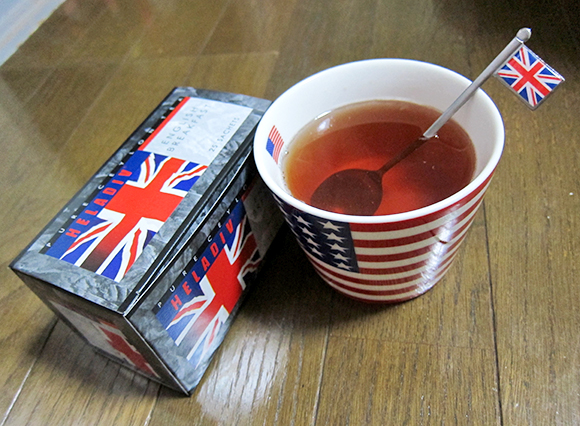
From elementary school all the way through high school, Japanese kids are required to study the convoluted subject of English as a second language. It’s an enormous struggle for many, as Japanese natives must familiarize themselves with not only the vocabulary and grammar points, they must adjust their ears to pick up on the plethora of sounds that do not exist in their mother tongue. To top it all off, when the existence of various English accents is brought to light, their brains can become confused even further.
A recent post on a Japanese message board asked people to list the differences between British English and American English. The comments extended far over 100. Here’s what some of the respondents had to say.
The differences between English accents aren’t always quantifiable, especially when understood through the filter of a different language. Those that are quantifiable were listed off exhaustively. Many of the people who responded to the online question focused in on differences in spelling and commonly used words. For example, color and colour, theater and theatre, elevator and lift, soccer and football, subway and underground. The list goes on and on.
Many other commenters made an effort to explain the differences in pronunciation as they understood them through a Japanese filter, keeping in mind that Japanese people have a difficult time hearing and denoting the sound of the letter R. To a Japanese person the word “water” spoken with an American accent sounds like “wa-daa,” while a British accent comes out sounding like “woh-ta.” The same is true for “better.” To a Japanese ear, an American accent comes across as “beh-daa,” and a British one sounds more like “beh’taa.”
Of course, there were some instances where differences between American and British English were mentioned, where in fact none exist! One person was under the impression that people speaking British English are more likely to ask, “Have you got a pen?” while Americans default to the phrase, “Do you have a pen?” I don’t know about the rest of you Americans, but if I’m speaking with other natives, I opt for the former. Another commenter made it sound as though the words “fall” and “autumn” are used exclusively in one country over the other, though I know that in America that these two are wholly interchangeable.
In the end though, things like spellings and region-specific vocabulary do little to capture feelings associated with hearing different English accents. What I’d like to know are the impressions that Japanese people get when hearing different forms of English. So, here’s what some of the respondents had to say on that front.
- I get the impression that British pronunciation tends to stay more faithful to the spelling.
- British English is like a Kansai accent, while American English is like standard Japanese.
- ^ You’ve got that backwards.
- I feel like British English is crisper.
- It’s like, British English *laughs* where American English would have LOL’d.
- Isn’t it that British English is easier for Japanese people to understand?
- I did a 3-year study abroad in America, but for the most part I still can’t understand British English. I feel as though American English is more spoken, while British English is more written.
- British: Just like we learned in middle school.
American: The T sound is strange. These examples may be extreme, but water becomes “woh-daa” and 20 is pronounced “tu-we-nee.” - ^ Most middle schools are taught American English.
- British English is hard to understand.
- British people often make American English sound idiotic.
- British people never lisp.
- Harry Potter is more like British English.
- ^ Harry Potter IS British English.
- Look up US vs. British on YouTube, and you’ll understand.
- British English is undoubtedly more refined.
- British English is nobler. It feels nice to listen to.
- I’d really like to learn British English, but because Japan is America’s lapdog, that not very likely huh…
- There are differences in stuff like pronunciation? How much they use the F-word?
Very astute observations all around! Some of them seem a little off, but I’ll leave it up to you guys to debate which points are closest to the truth.
Source: VIPPER na Ore
Image: RocketNews24
]]> https://soranews24.com/2013/11/13/things-japanese-people-believe-about-british-vs-american-english/feed/ 0 101290 English This inappropriate lamp gives new meaning to the phrase “turn you on” https://soranews24.com/2013/11/13/this-inappropriate-lamp-gives-new-meaning-to-the-phrase-turn-you-on/ https://soranews24.com/2013/11/13/this-inappropriate-lamp-gives-new-meaning-to-the-phrase-turn-you-on/#comments Wed, 13 Nov 2013 04:00:22 +0000 http://en.rocketnews24.com/?p=101372 
In 1994, the product design company, Propaganda, was established in Thailand to fill the need for playful products in home and work environments. Since then, the fun-loving brand has expanded immensely. Stores can be found in more than 30 different countries, including Japan, the US, and many parts of Europe.
Today we’d like to focus on one of Propaganda’s many tongue-in-cheek trinkets. This peculiar lamp is certain to brighten your day.
As a part of Propaganda’s Mr. P series there is a product called One Man Shy. It is a lamp in the shape of one very embarrassed Mr. P. For you see, aside from the lampshade covering his face, the character stands entirely naked! What’s more, the lamp’s switch is strategically placed atop his privates! One must flip the switch so that it’s pointing upward to “turn him on,” as it were. Understandably, his face really lights up at the attention.
One Man Shy stands at 35.5 cm tall (14 in) and comes in 7 different colors of lampshades, although, none of them are long enough to completely conceal Mr. P’s embarrassed expression at standing around in his birthday suit. To see the character in many other more-or-less awkward positions, try checking out Propaganda’s official website!
Source: Hachima Kikou (Japanese)
Images: Zozotown
▼ Here’s Mr. P in all his pale, plastic glory!

▼ Just press up on his “switch” to “turn him on.”

▼ Somehow, he doesn’t look all that pleased with this situation…

▼ Good thing he can hide his glowing cheeks beneath the lampshade.

]]> https://soranews24.com/2013/11/13/this-inappropriate-lamp-gives-new-meaning-to-the-phrase-turn-you-on/feed/ 0 101372 naked lamp06 naked lamp01 naked lamp01 naked lamp02 naked lamp04 naked lamp03 naked lamp05 Vocaloid’s fandom evolves beyond the music and becomes the face of young Japanese otaku https://soranews24.com/2013/11/12/vocaloids-fandom-evolves-beyond-the-music-and-becomes-the-face-of-young-japanese-otaku/ https://soranews24.com/2013/11/12/vocaloids-fandom-evolves-beyond-the-music-and-becomes-the-face-of-young-japanese-otaku/#comments Mon, 11 Nov 2013 17:30:42 +0000 http://en.rocketnews24.com/?p=101055 
Last month, we posted an article capturing the changes in anime art style over time. These adjustments in overall style can come on so slowly, but when laid out side-by-side, they become so blatantly apparent, it’s amazing that such a large breadth of drawing styles could all come under the umbrella of Japanese anime. It would seem that with every passing decade there comes an attraction to a different art style.
In the special interest magazine, Febri volume 19, there is an interesting report called Portrait of a Modern Otaku, which classifies these trends in popular Japanese anime according to “generations,” starting with Space Battleship Yamato and all of its fans falling into generation one. Generation two is represented by Gundam, while fans born of Evangelion and erotic dating simulators belong to generation three. Today’s twenty-somethings likely identify with the fourth generation of fans frontlined by The Melancholy of Haruhi Suzumiya. And finally, the youngest bunch, teenagers and below are classified together with none other than Kagerou Project.
But wait. How could it be that an offshoot of Vocaloid, the computer voice simulator, is the poster child for this most recent generation of otaku? The development of Vocaloid fandom itself, holds the answers.
The real rise in Vocaloid’s popularity began in 2007 with the introduction of Hatsune Miku, though the software existed years before. Songs like Melt and The Disappearance of Hatsune Miku led to the character, Miku, becoming the axis of Vocaloid fandom, and people first falling into the series for more than just its capabilities as music-making software adopted the perspective that Hatsune Miku and Vocaloid are synonymous. According to Febri’s article, these people belong to the first generation of Vocaloid fans.
The appearance of second generation fans corresponds with an increase in the number of songs with a story to tell. Some of the most popular works from this generation include Daughter of Evil, sung by the character Kagamine Rin, as well as Prisoner, a duet using the singers Rin and Len. Multiple Vocaloid characters were used in these songs, to build a conflict and create various perspectives within the narrative.
At present, we’re experiencing a rise in the third generation of Vocaloid fans, to whom the music is secondary to the narratives created by the characters. The best example of this is Kagerou Days, which started in 2011. It began as a series of songs by the composer Shizen no Teki-P, but has since spread to other media and exists as a manga and short novel series called Kagerou Days. An anime is also in the works.
Of course, the music has not fallen completely from popularity, and today’s upbeat Vocaloid rock songs still garner a lot of attention, but compared to the 1,800,000 books sold of Kagerou Days, the music which first facilitated creation of the series is somewhat dwarfed by the popularity of its derivative works. Vocaloid character novels have become such a large corner in Japanese bookstores, that they have been established as their own genre, separate from light novels.
For people who were introduced to Vocaloid with Hatsune Miku, it must be difficult to envision anyone other than the teal-haired teen wonder as the face of the franchise, but the fact of the matter is that Vocaloid fandom has evolved to the point where Miku has dropped to number three in Vocaloid’s online popularity polls. A majority of the people who responded to the most recent survey were between the ages of 12 and 18, and with their fresh view on the franchise and love of complex rock pieces, the voices of Gumi and IA have rocketed to the top. Vocaloid is no longer just about the music, it’s about the narrative created using the characters as a template. And this, dear readers, is how Kagerou Project has made itself the face of this generation of anime otaku. It’s more than just an offshoot of some popular synthesized song lyrics, it is a story with a young but dedicated fandom that has grown to incredible proportions, large enough to overshadow such popular titles as Madoka and K-On and become the representative piece for young Japanese otaku.
Source: Excite News via Jin115 (Japanese)
Image: Amazon Japan
]]> https://soranews24.com/2013/11/12/vocaloids-fandom-evolves-beyond-the-music-and-becomes-the-face-of-young-japanese-otaku/feed/ 0 101055 3rd gen vocaro fans01