deaf – SoraNews24 —Japan News— https://soranews24.com Bringing you yesterday's news from Japan and Asia, today. Sun, 11 Aug 2024 17:30:41 +0000 en-US hourly 1 https://wordpress.org/?v=7.1.4 https://soranews24.com/wp-content/uploads/sites/3/2020/05/en_rocket_1024.png?w=32 deaf – SoraNews24 —Japan News— https://soranews24.com 32 32 176746664 Japanese cafe has speech-to-text displays for conversation with hard-of-hearing staff and customers https://soranews24.com/2024/08/12/japanese-cafe-has-speech-to-text-displays-for-conversation-with-hard-of-hearing-staff-and-customers/ https://soranews24.com/2024/08/12/japanese-cafe-has-speech-to-text-displays-for-conversation-with-hard-of-hearing-staff-and-customers/#comments Sun, 11 Aug 2024 17:30:38 +0000 https://soranews24.com/?p=675133 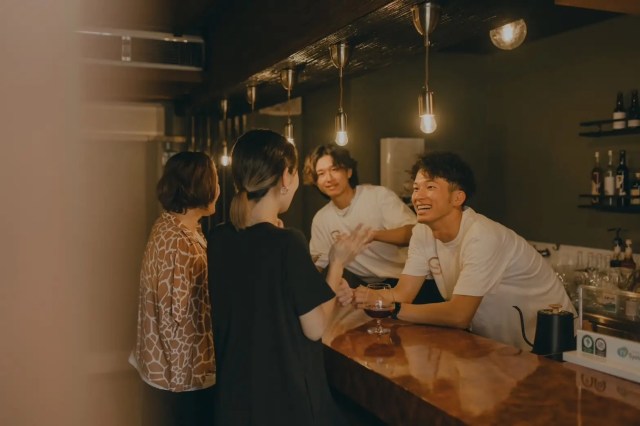
New Shojo Cafe Bar continues owners’ mission to “create environments where disabilities disappear.”
At some cafes, a big part of what makes the experience enjoyable is the conversation and interaction with the friendly staff. That’s definitely the appeal that Shojo Cafe Bar wants people to know about, but it’s not just the amicable, chatty atmosphere that makes Shojo special, but also the special technology the cafe is outfitted with to facilitate conversations between the staff and customers.
The name “Shojo Cafe” might ring a bell, as this is the second establishment to bear that name. Like the first Shojo Cafe, Shojo Cafe Bar is is staffed by employees who are either deaf or hard of hearing and run by Possible, an organization that runs an employment support service and other projects aimed at “creating environments where disabilities disappear.” But whereas the first Shojo Cafe has a no-talking, no-music policy in order to “enjoy the silence,” the new Shojo Cafe Bar aims to bolster and open up lines of spoken communication with clear digital speech-to-text conversion displays placed on the counter between customers and employees.
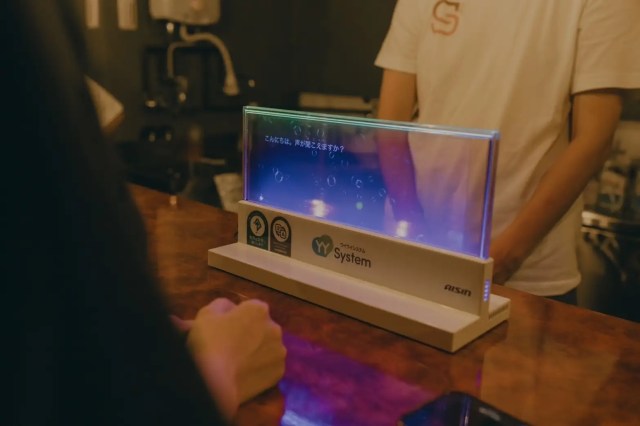
In addition, the staff will be happy to teach customers a few phrases of sign language, if they’re interested in adding a few more skills to their conversational repertoire.
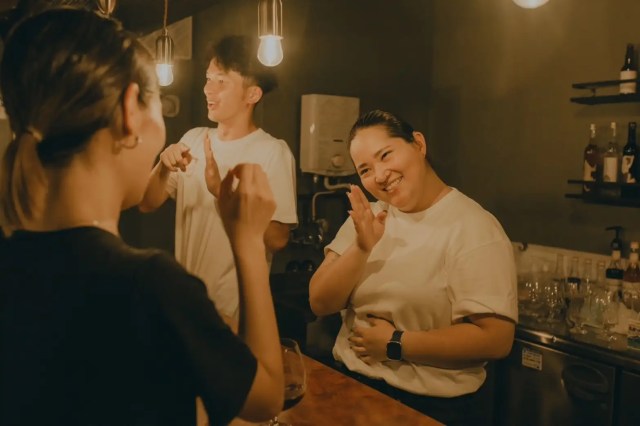
As indicated by the “Bar” addition to its name, Shojo Cafe Bar serves not only coffee, tea, and colorful cream sodas…

…but also cocktails and even a mysterious-sounding “sake for people who love cats” (not to be confused with the Cat Lover’s Ramen we recently ate).

Shojo Cafe Bar opened on August 10, and is operating concurrently with the original Shojo Cafe.
Cafe information
Shojo Cafe Bar / SHOJOカフェバー
Address: Osaka-fu, Osaka-shi, Kita-ku, Matsugaecho 1-43 Delight Minami Morimachi I-202
大阪府大阪市北区松ケ枝町1−43DELIGHT南森町I-202
Open 2 p.m.-8 p.m.
Payment by credit card, PayPay, or IC card only (cash not accepted)
Source, images: PR Times
● Want to hear about SoraNews24’s latest articles as soon as they’re published? Follow us on Facebook and Twitter!
]]> https://soranews24.com/2024/08/12/japanese-cafe-has-speech-to-text-displays-for-conversation-with-hard-of-hearing-staff-and-customers/feed/ 0 675133 SC 2 New silent cafe opens in Japan, where talking and music is not allowed https://soranews24.com/2024/04/05/new-silent-cafe-opens-in-japan-where-talking-and-music-is-not-allowed/ https://soranews24.com/2024/04/05/new-silent-cafe-opens-in-japan-where-talking-and-music-is-not-allowed/#comments Thu, 04 Apr 2024 17:30:14 +0000 https://soranews24.com/?p=658896 
It might be silent here, but there are smiles all around.
It can be said that there are no disabilities, just disabling environments, and here to remind us of that fact is a new cafe in Osaka’s Nakazakicho that focuses on silence.
Called Shojo, this new 16-seater cafe wants its customers to “enjoy the silence” by eliminating chatter and background music. This allows for ambient sounds that are usually drowned out, such as people’s footsteps, the gurgle of matcha brewing, and the pitter-patter of rain, to take centre stage.
It’s not just for the benefit of customers, though, as the majority of the staff here are deaf or hard-of-hearing, and the cafe creates a space where we can experience the world from their point of view.
Though customers are asked to refrain from speaking to each other, it’s not designed to be a restrictive environment, instead opening our minds to new ways of communicating. In an environment where all people are equal, disabilities don’t exist, and it’s a mindset that can change the way we view equality and accessibility outside of the cafe too.
▼ Shojo is run by Possible, an association that aims to “create places free of disabilities”.

Despite the lack of verbal communication, staff are keen to interact with customers and take orders via written notes or menu-pointing, and they’re happy to share sign language tips to those who are interested.
Customers are likely to find that the silence inside the cafe helps to heighten other senses so that things like taste and colour become more pronounced. This creates an ideal environment for truly appreciating the beauty and flavour of green tea, which is perfect for the cafe’s Matcha Experience, where customers can live out their dreams of being a tea master by whisking their own matcha.


Matcha is traditionally served with a sweet, and the ones provided at the cafe come from an esteemed sweets maker in Kanazawa, with varieties changing monthly.

After the cafe closes, staff offer hour-long one-on-one sign language classes with a side of matcha on a reservation basis, for 2,000 yen (US$13.22). Rather than being a formal lesson, it’s a relaxed experience where you can learn basic phrases such as “hello” and “thank you”, to familiarise you with sign language so it doesn’t feel like something from a distant world.
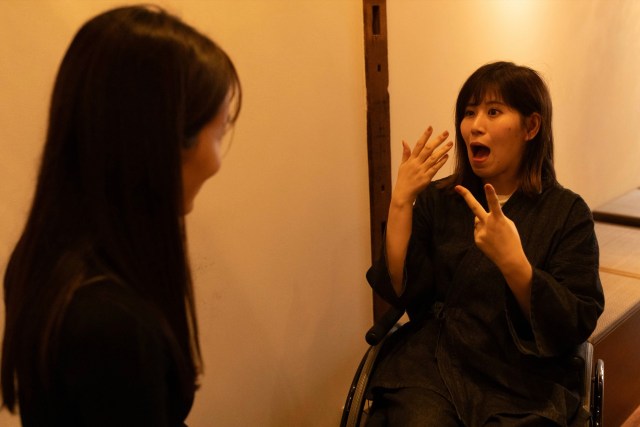

With no verbal communication required, the cafe is particularly attuned to the needs of foreign customers, who may not be able to speak the local language, and they employ some of the most welcoming staff around. The employee introductions make us want to be best friends with them all straight away.
▼ Hiroto is a Deaflympics pole vaulter, so keep an eye out for him at the Deaflympics, which will be held in Tokyo next year.
▼ Misaki, along with her colleagues, is ready to help teach customers sign language, and show them a fun time.
▼ Kana recommends the bitter matcha experience.
▼ Naoko is here to remind us that this is a multinational cafe that welcomes overseas guests, saying they’re happy to communicate with foreigners through Google Translate.
Japan can be a busy place full of bright lights and big sounds, so a quiet spot like this will be godsend for many visitors. Whether you’re interested in supporting a good cause or experiencing a new side of Japan not shown in guidebooks, the cafe aims to open your sensibilities and clear your mind, and it’s ready to welcome you into its world from 1 April.
Cafe information
Shojo Cafe / 清浄カフェ
Address: Osaka-fu, Osaka-shi, Kita-ku, Nakazaki Nishi 1-10-13
大阪府大阪市北区中崎西1-10-13
Hours: 11:00 a.m.-6:00 p.m. every day
Website (Instagram)
Source, images: PR Times
● Want to hear about SoraNews24’s latest articles as soon as they’re published? Follow us on Facebook and Twitter!
]]> https://soranews24.com/2024/04/05/new-silent-cafe-opens-in-japan-where-talking-and-music-is-not-allowed/feed/ 0 658896 Shojo Cafe deaf silent Osaka Japan best tourist friendly English top matcha green tea experience review sign language photos 9 Brad Pitt’s Bullet Train adds Japanese subtitles for its Japanese dialogue, makes Japan happy https://soranews24.com/2022/09/29/brad-pitts-bullet-train-adds-japanese-subtitles-for-its-japanese-dialogue-makes-japan-happy/ https://soranews24.com/2022/09/29/brad-pitts-bullet-train-adds-japanese-subtitles-for-its-japanese-dialogue-makes-japan-happy/#comments Thu, 29 Sep 2022 14:00:26 +0000 https://soranews24.com/?p=602603 
It might sound redundant, but sound really is the issue here.
Something cool about going to a movie theater in Japan is that films from overseas are shown in both Japanese-subtitled and dubbed-into-Japanese formats. Finding a subtitled screening doesn’t require you to go to some tiny arthouse cinema or wait until a late-night showing, either, as subtitled versions are regularly shown throughout the day at major theater chains.
So, for example, fans of Brad Pitt going to see Bullet Train, which was just released in Japan at the start of September, have the option of listening to the Hollywood star speak English while being provided with Japanese subtitles for what he and the rest of the cast are saying. Well except for the characters in Bullet Train (which takes place in Japan) who are already speaking Japanese, of course, since Japanese moviegoers don’t need subtitles for them, right?
That was the common logic, anyway. It’s something the film’s in-Japan producers have rethought, though, and now a new subtitled version of Bullet Train has been released, and this time all of the dialogue is subtitled in Japanese, even when the characters are already speaking Japanese.
【上映に関するお知らせ】
9月23日(祝・金)より映画『#ブレット・トレイン』字幕版(※)は、劇中の日本語の台詞にも字幕を入れて上映いたします。
※IMAX® / Dolby Atmos / Dolby Cinemaを除く
上映中の映画館は
こちらよりご確認ください▼https://t.co/75H3e477MQ pic.twitter.com/KbLE64QsLu— 映画『65/シックスティ・ファイブ』公式 (@65movieJP) September 21, 2022
The announcement tweet for Bullet Train’s new subtitled version (seen above) doesn’t mention a specific reason for the change, but the prevailing theory is the producers realizing that it’s not just linguistic purists (and foreign residents whose Japanese-language skills aren’t up to watching a whole movie in Japanese just yet) who choose subtitled screenings, but also people who are hearing-impaired.
Japanese-made movies (i.e. movies with Japanese dialogue from the beginning) don’t screen with subtitles at mainstream movie theaters, so people who are deaf or hard of hearing generally have to wait for a TV broadcast or streaming/home video release with captions. Foreign films, though, they can enjoy in the theater with everyone else, since they’ve got subtitles to read projected right up there on the screen…at least until Bullet Train’s original version dropped the subs when someone started speaking in Japanese.
The new version, though, allows hearing-impaired viewers to follow along as easily as anyone else in the audience, and the update is getting applause on Twitter with reactions like:
“I really appreciate how thoughtful this is.”
“Really been looking forward to this movie and now I can finally go see it!”
“Now a whole new group of people can fully enjoy it!”
“For people who are hearing-impaired dropping the subtitles when someone is speaking Japanese is like switching off the audio for people who can hear.”
“I hadn’t realized adding Japanese subtitles to Japanese dialogue could help more people enjoy a movie. Nice work!”
Bullet Train’s new subtitled version began screening just two days later, on September 23 (though not at IMAX or Dolby Atmos/Dolby Cinema theaters, perhaps because of technical issues). The announcement of the update came less than a day after Twitter user @defsapo, who has been deaf since birth, tweeted about going to see the film but being unable to know what actor Hiroyuki Sanada was saying in his Japanese-speaking scenes, and she happily retweeted the announcement of the new version.
と言ってたら23日から字幕が付くそうです!
教えてくださった皆様ありがとうございます。
公式の対応に感動すると共に、今後も日本語も当たり前に字幕版には、フルでの字幕が付くことを期待したいなと思います! https://t.co/DJAay0SLlt
— ユカコ
耳が聞こえないけど英語話したい(デフサポ代表) (@defsapo) September 21, 2022

Along with the positive reactions to the update, a number of commenters expressed their wish for this to become the norm for subtitled movie screenings in Japan, since Bullet Train isn’t the first foreign film to include patches of Japanese dialogue, and it won’t be the last either. That really does seem like a smart idea, seeing as how audiences choosing subtitled screenings are already OK with having text on screen during the movie, so a few extra lines so that more people can enjoy it doesn’t seem like very much to ask.
Source: Twitter/@BulletTrainJP (1, 2) via IT Media
Top image ©SoraNews24
● Want to hear about SoraNews24’s latest articles as soon as they’re published? Follow us on Facebook and Twitter!
]]> https://soranews24.com/2022/09/29/brad-pitts-bullet-train-adds-japanese-subtitles-for-its-japanese-dialogue-makes-japan-happy/feed/ 0 602603 BT 1 Five Japanese sign language phrases with interesting reasoning behind them https://soranews24.com/2021/03/30/five-japanese-sign-language-phrases-with-interesting-reasoning-behind-them/ https://soranews24.com/2021/03/30/five-japanese-sign-language-phrases-with-interesting-reasoning-behind-them/#comments Mon, 29 Mar 2021 17:30:11 +0000 https://soranews24.com/?p=537587 
From the downright obvious to the surprising yet amusing, Japanese Sign Language has it all.
If you’re learning Japanese, you’re already familiar with the basics such as arigatou or konnichiwa. But in order to be a true Japanese master, and to truly be able to communicate with everyone you meet in Japan, it might be nice to learn those phrases in Japanese Sign Language (JSL) as well.
JSL uses signs based on Japanese culture, and some of them may be pretty surprising to a non-Japanese person. While I’ve been studying JSL recreationally for a while now, I decided to enlist the help of someone much more experienced to help demonstrate them: my friend Kei, who holds a JSL qualification.
Here are a few examples of JSL with some pretty interesting reasoning behind them.
1. Arigatou — “Thank you”
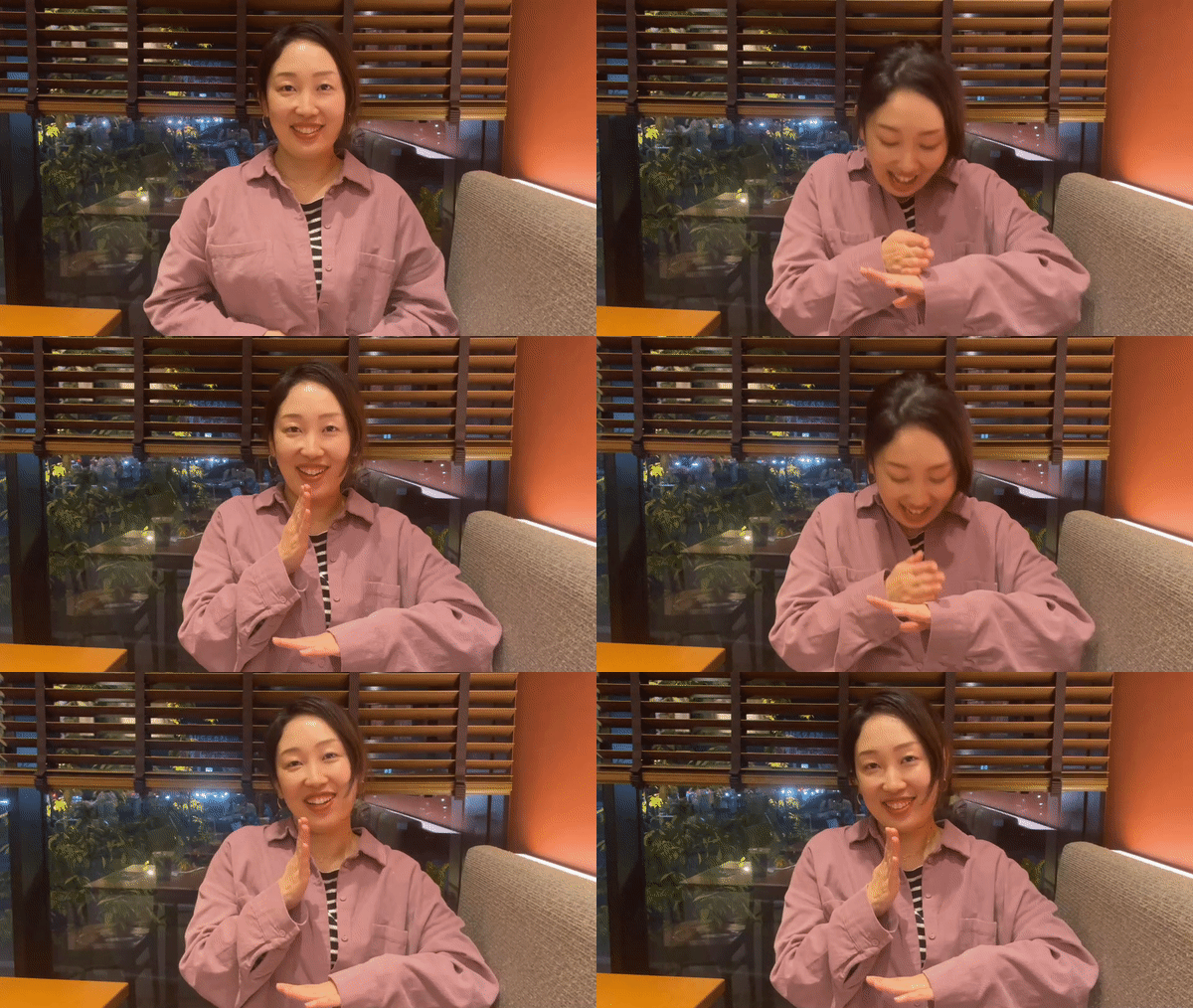
In a society as notoriously polite as Japan, this phrase should be on the top of the list of things to learn. The Japanese Sign Language gesture for “thank you” originates from the gestures that sumo wrestlers do when they accept their winnings post-match.
▼ You can see it in action here at around the 0:55 mark.
2. Konnichiwa — “Good afternoon/hello”
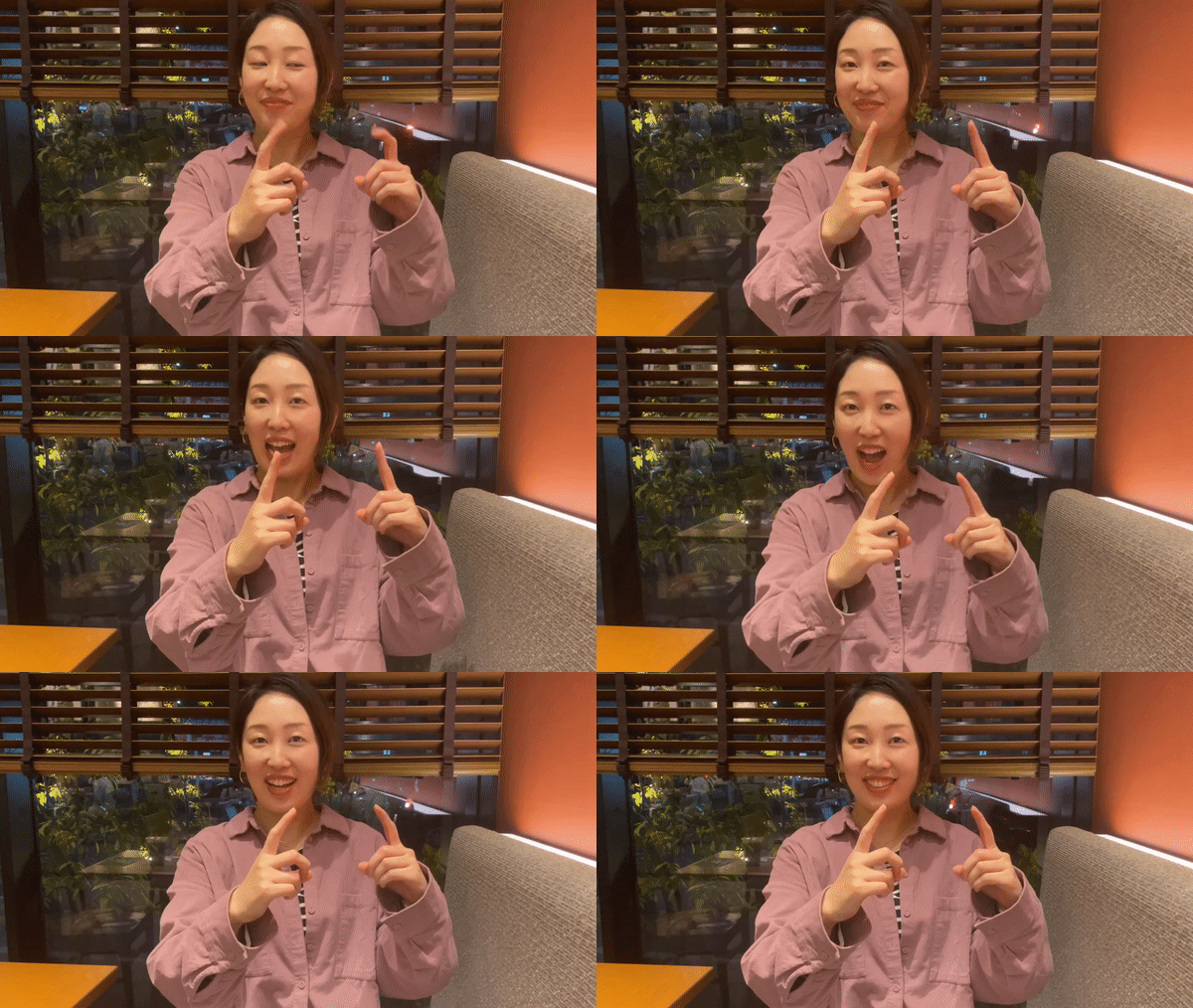
While there are multiple ways to greet someone, this one is the easiest to understand, as bowing is so ingrained into Japanese everyday life that even the wildlife here is doing it. The sign for greeting someone imitates two people bowing to each other.
3. Conbini — “Convenience store”
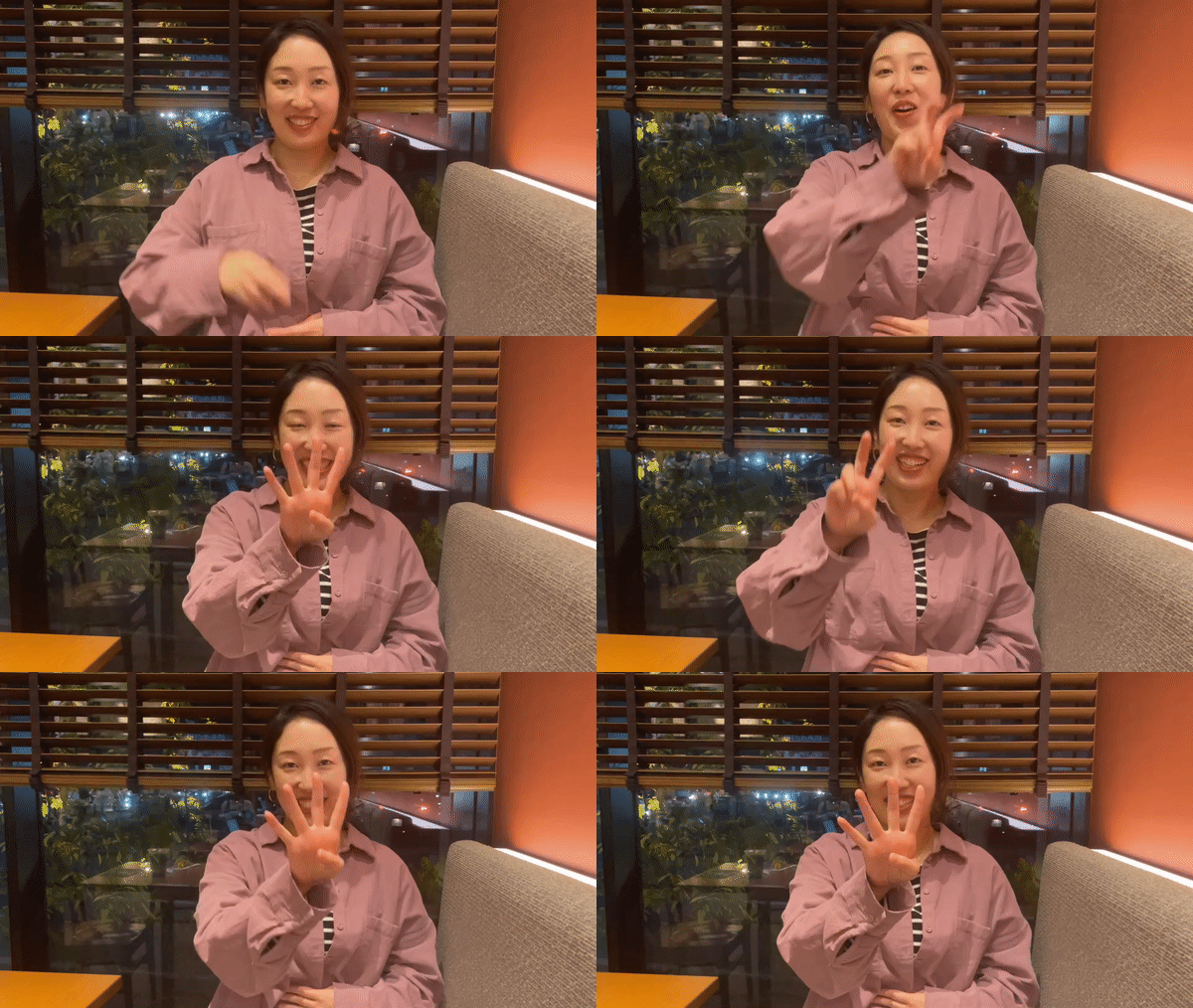
Convenience stores in Japan really embody the spirit of the word “convenient.” Not only do they stock a plethora of delicious foods, they are also open twenty-four hours a day — useful if you get hungry in the middle of the night or just really need to use the toilet.
The JSL sign for conbini makes use of the “all-day, every day” aspect of convenience stores by signing the number “24.”
4. Onii-chan/otouto — “Older brother/younger brother”
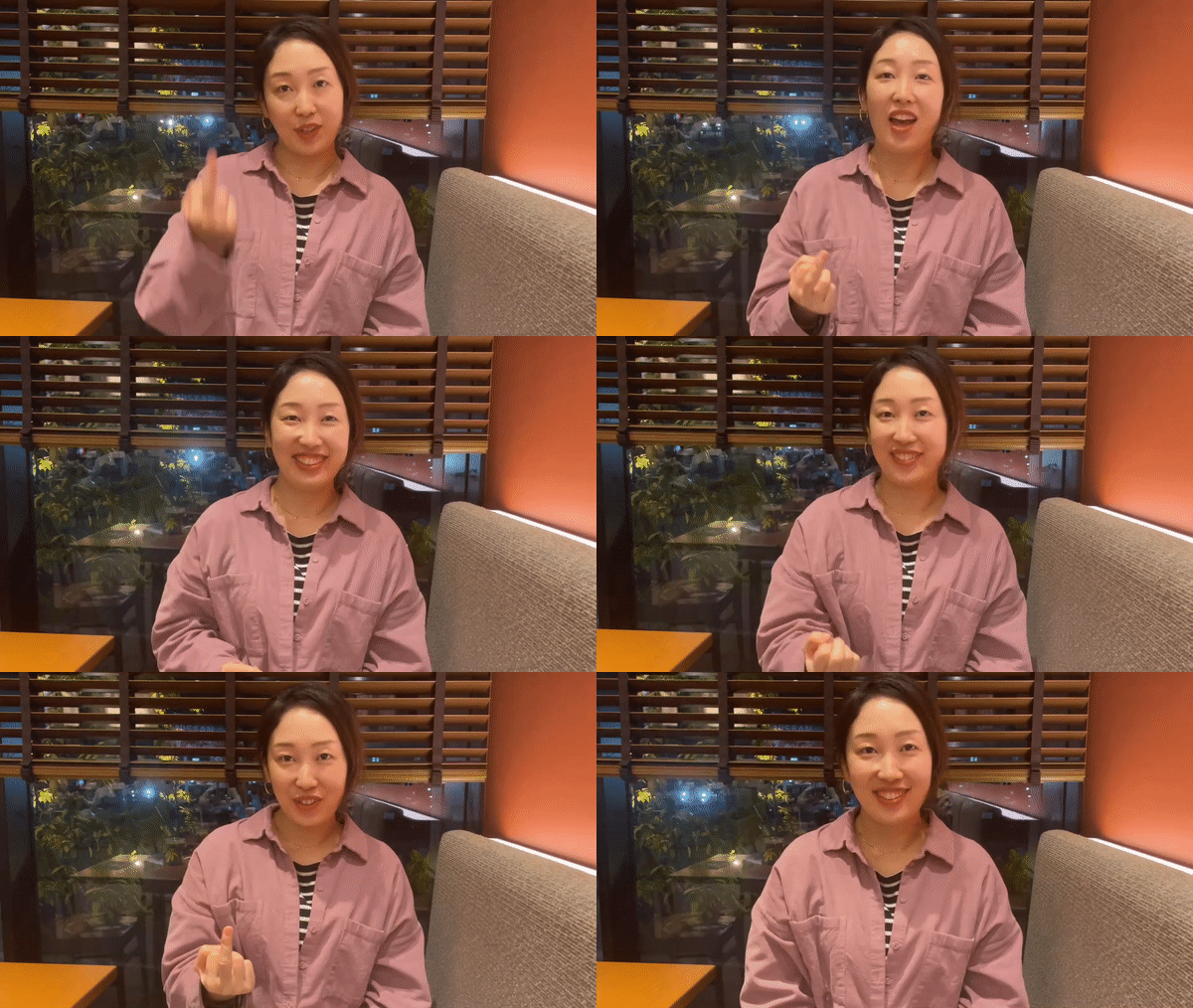
Some of you may feel that this middle-finger sign transcends all language barriers and is the perfect way to describe your own sibling, but in Japan it doesn’t have the same connotations as in other countries.
This sign is referring to the “finger family” — otousan-yubi (“father finger,” thumb), okaasan-yubi (“mother finger,” index finger) and so on. The middle finger represents the brother, with the ring finger for sister and pinky for baby.
Gesture the middle finger upward for “older brother” and downward for “younger brother.” Maybe don’t use this one outside of Japan, though.
5. Busu — “Ugly”
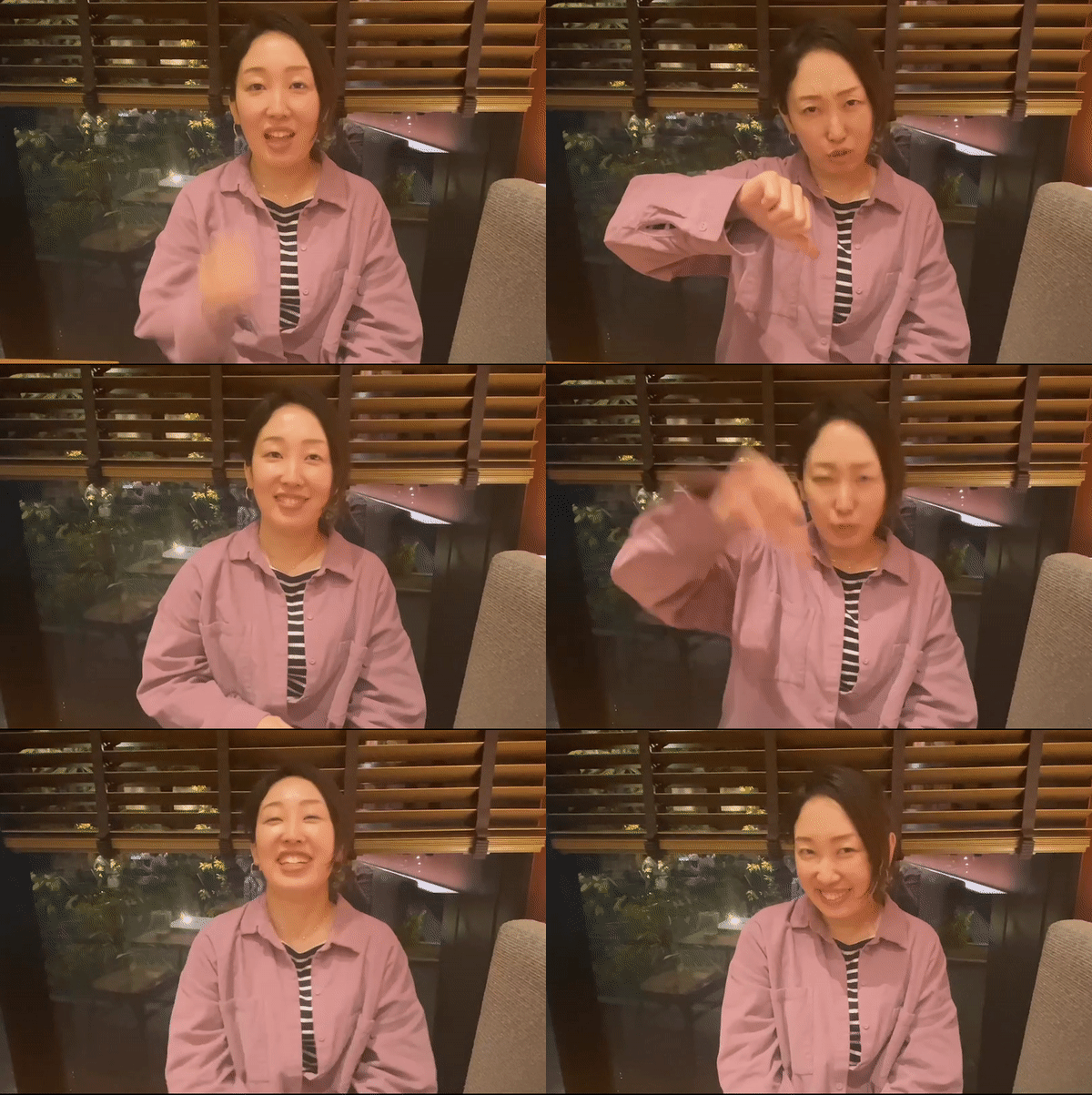
The sign for “ugly” is pretty easy to interpret, regardless of your level of Japanese or experience with JSL: “your face is thumbs-down.”
Busu is an insult meaning “ugly” and much like in spoken terms, is best not signed in polite circles. Considering the “thumbs down” sign has much more serious implications and may be similar to the middle finger in other countries, this gesture really hammers home the idea that someone’s face, well… isn’t good.
If you’re looking for a place to practice your newfound Japanese Sign Language skills, or want to pick up some more useful phrases, the sign-language Starbucks in Tokyo might be a fun place to flex your fingers.
Featured image: Pakutaso
Insert images: ©SoraNews24
● Want to hear about SoraNews24’s latest articles as soon as they’re published? Follow us on Facebook and Twitter!
]]> https://soranews24.com/2021/03/30/five-japanese-sign-language-phrases-with-interesting-reasoning-behind-them/feed/ 0 537587 SAYA072160011_TP_V Starbucks Japan releases beautiful sign-language mug at its first sign-language branch in Tokyo https://soranews24.com/2020/12/03/starbucks-japan-releases-beautiful-sign-language-mug-at-its-first-sign-language-branch-in-tokyo/ https://soranews24.com/2020/12/03/starbucks-japan-releases-beautiful-sign-language-mug-at-its-first-sign-language-branch-in-tokyo/#comments Thu, 03 Dec 2020 04:00:26 +0000 https://soranews24.com/?p=524604 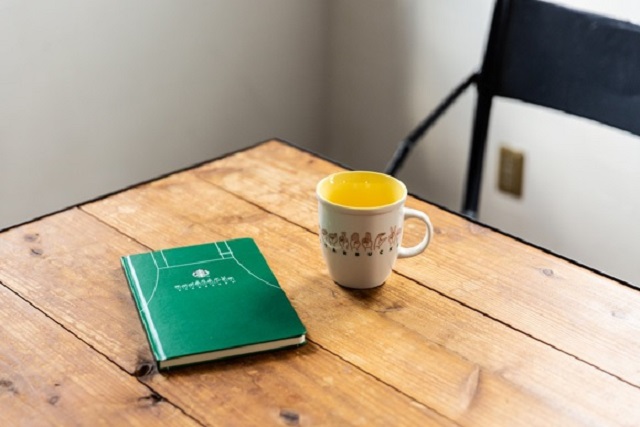
Exclusive drinkware is stylish and touching, and its companion journal is even more moving.
Starbucks does a lot of adapting to local tastes, so at the chain’s coffeehouses in Japan you can buy drinkware featuring admiring depictions of Mt. Fuji, cherry blossoms, or specific local landmarks for various Japanese cities. However, the newest offering, available at Starbuck’s Nonowa Kunitachi branch in Tokyo, isn’t about the town’s cityscape or scenery, but the people who work and relax there.
The Nonowa Kunitachi Starbucks, which opened last June, is designated a “signing shop.” A number of the employees have hearing impairments, and the staff are all able to communicate in sign language. This, naturally, makes it an especially welcoming cafe for customers with hearing difficulties, as well as an opportunity for those who might not ordinarily come into contact with sign language to see how it enables its users to communicate and live fulfilling lives.
Because of that, the Nonowa Kunitachi-exclusive mug is decorated with not only the Starbucks name in English, but also with illustrations showing how to sign each letter.


This dual-language version of the Starbuck’s logo also appears on the aprons worn by the Nonowa Kunitachi staff, as well as the cover of the writing journal that’s going on sale at the same time as the sign-language mug.
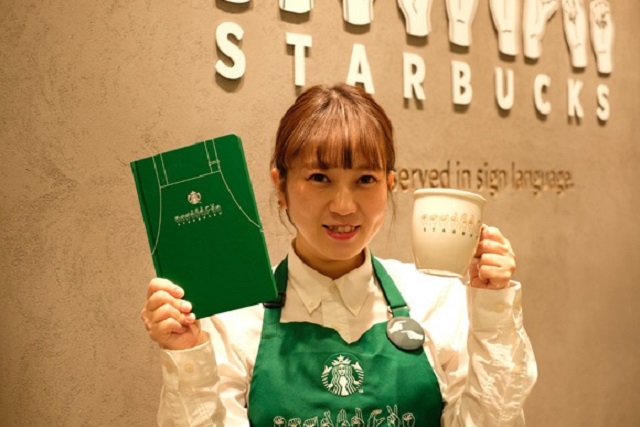
Inside, the logo sits at the bottom-right corner of the writing pages…

…while other pages include diagrams for how to sign things such as drink sizes and numbers.
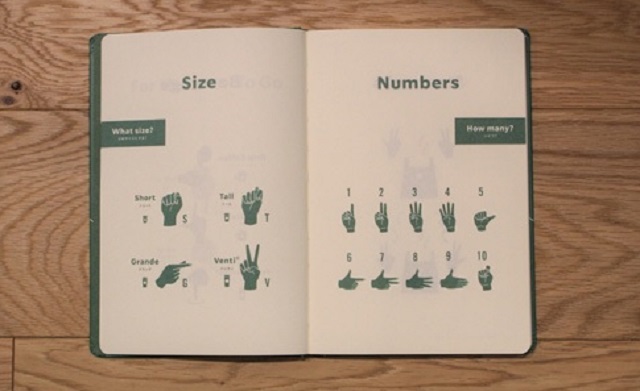
Those instructional pages example might seem sort of redundant, since it’s not like sign language-dependent people wouldn’t already know such fundamental vocabulary. However, it’s Starbucks’ hope that the mug and journal, aside from looking nice and raising awareness, can also serve as a low-barrier contact point for sign language for people who aren’t themselves dependent on it. Especially with the Nonowa Kunitachi branch happy to take orders in sign language, there’s an opportunity for hearing-able customers to try using sign language themselves, and if walking a mile in someone else’s shoes is a good way to better understand someone, surely ordering a coffee in their language is too.
Both the mug and journal go on sale December 3 at the Nonowa Kunitachi branch (priced at 1,800-yen [US$17.15] and 2,000-yen, respectively), and while we’ve got an unabashed soft spot for Starbucks’ limited-time drinkware, we’re happy to know that these two new items will be available on a permanent basis.
Location information
Starbucks Coffee (Nonowa Kunitachi branch) / スターバックス コーヒー Nonowa国立店
Address: Tokyo-t0, Kunitachi-shi, Kita 1-14-1, Nonowa Kunitachi
東京都国立市北1-14-1 Nonowa国立
Open 7 a.m.-10 p.m.
Website
Source, images: Starbucks via Entabe
● Want to hear about SoraNews24’s latest articles as soon as they’re published? Follow us on Facebook and Twitter!
]]> https://soranews24.com/2020/12/03/starbucks-japan-releases-beautiful-sign-language-mug-at-its-first-sign-language-branch-in-tokyo/feed/ 0 524604 SB 0 Our reporter ran into one of Tokyo’s pushy flag-selling foreigners https://soranews24.com/2019/05/01/our-reporter-ran-into-one-of-tokyos-pushy-flag-selling-foreigners/ https://soranews24.com/2019/05/01/our-reporter-ran-into-one-of-tokyos-pushy-flag-selling-foreigners/#comments Wed, 01 May 2019 01:00:01 +0000 http://soranews24.com/?p=450620 
A tap on the shoulder leads to a flag in the hand and a request to pay for it.
Recently, one of the big topics on social media in Japan has been foreigners in Japan “selling” flags on the street. We put “selling” in quotation marks because the tactics they employ don’t really conform to the standard way shopping transactions are supposed to happen.
It turns out our own Japanese-language reporter P.K. Sanjun ran into one of these flag sellers not too long ago. In January, he was hanging out in Tokyo’s Ueno neighborhood. Walking around the Ameyoko shopping streets, he stopped in front of the local branch of electronics retailer Yodobashi Camera, where he crouched down to get a better look at the wares being sold by the gachapon vending machines (keeping abreast of capsule toy trends is, after all, part of our job here at SoraNews24).
▼ Ameyoko

But as P.K. was checking out the Pokémon cosplay hoods for cats and other tempting trinkets, he felt a hand on his shoulder. Standing up to see who’d tapped him from behind, he saw a Caucasian man in his 20s, and as soon as P.K. turned around, the man, without saying a word, pressed a Japanese flag into his hand.
Before P.K. could even think “What is this dude trying to do?” the man pulled out a small card and showed it to him. Confused and agitated, P.K. wasn’t sure what language the card was written in, though with its Latin alphabet characters he assumes it was English. But what he didn’t need an translation to understand the part that said “¥500” (¥ being the symbol for “yen”).
At this point, it was clear that the man wanted P.K. to pay him 500 yen (US$4.50) for the flag, which he’d already forced into P.K.’s possession. However, P.K., like virtually every other person in Japan, doesn’t ever find himself randomly walking around town and thinking “You know what? I really want to buy a flag of my home country, and RIGHT NOW!”
So P.K. reversed the handover and put the flag back in the man’s hand, telling him “No thank you” in English, figuring that the silent man was more likely to understand English than Japanese. The man reacted with neither anger nor sadness, and walked away to start handing flags to other people on the street and asking for their money.
P.K. isn’t our only staff member to have a run-in with the flag sellers either. About a year ago, our reporter Go Hatori had a young Caucasian woman in Shibuya, near the famous Scramble Intersection, wordlessly hand him a Japanese flag and show him a card claiming she was deaf, and asking him for 500 yen in return for the flag he hadn’t asked her for in the first place.
▼ Shibuya
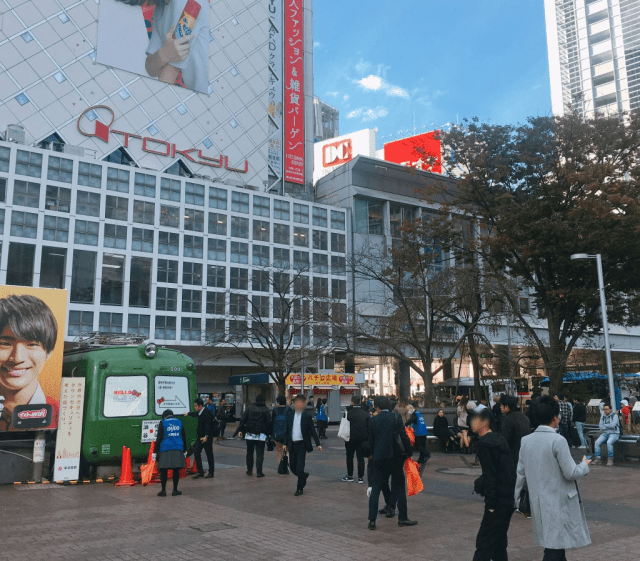
In both our reporters’ cases, the encounter was over before they could snap a picture, but photos on social media from others who’ve run into the flag-selling foreigners confirm that claiming to be deaf is a common part of their sales pitch, as is approaching people in busy sightseeing or entertainment districts. It’s currently unknown whether the sudden increase of flag-sellers is because of a coordinated effort by some sort of managing organization, or if the situation is one of individuals copying each other’s cards and tactics.
While this practice of handing over an undesirable item first, then asking for payment while claiming a disability later, has been common in several other countries for many years, it’s been relatively unheard of in Japan until fairly recently, at least on the scale it’s taking on. It’s particularly sad to see it beginning to make inroads in Japan, where the group-oriented nature of society makes it extremely difficult for many Japanese people to firmly turn down a request from someone in need and the value of responsibility and reciprocation is likely to make a large portion (compared to other countries) of flag recipients feel morally obligated to pay the 500 yen. Add in the fact that Japan is extremely self-conscious of the fact that it has a different language and customs than the rest of the world, making many people react to misunderstandings with foreigners by trying to be accommodating, and the flag sellers, either by design or coincidence, appear to be trying to take advantage of the compassionate, caring aspects of Japanese culture.
“Regardless of their identities or motives, if you don’t want the flag, don’t give them any money,” says P.K. “That’s something that goes for any shopping or donation decision: If it doesn’t feel right, don’t do it.”
Photos ©SoraNews24
]]> https://soranews24.com/2019/05/01/our-reporter-ran-into-one-of-tokyos-pushy-flag-selling-foreigners/feed/ 0 450620 FF 1 Foreign travelers in Tokyo, other towns handing out flags, asking Japanese people to pay for them https://soranews24.com/2019/04/27/foreign-travelers-in-tokyo-other-towns-handing-out-flags-asking-japanese-people-to-pay-for-them/ https://soranews24.com/2019/04/27/foreign-travelers-in-tokyo-other-towns-handing-out-flags-asking-japanese-people-to-pay-for-them/#comments Fri, 26 Apr 2019 15:00:21 +0000 http://soranews24.com/?p=450383 Sellers often claim to be deaf and ask for random Japanese people to “sponsor” their travel expenses.
A few days ago, Japanese Twitter user @makibikeisi was walking along the street near Tokyo’s Akihabara neighborhood when he came across a Caucasian man. In and of itself, that’s not such an unusual thing for that part of town, seeing as how Akihabara’s connection to anime, video games, and other Japanese pop culture exports has made the district one of Tokyo’s most popular tourist attractions.
However, this encounter was different, as @makibikeisi says in his tweet.
【注意】
秋葉から御茶ノ水の間で
いきなり日本の国旗を
白人の方に手渡されました
「何ですか?」
と聞いたら小さい紙を見せられ
500円を払って欲しい旨と
オリンピック のマークを見せられました
「ノーセンキュー」
と言って返したら捕まれそうになりましたが
すり抜けました
皆さん気をつけてね pic.twitter.com/w6y4S4UhpD— まきびけいし@4/7絶ステ 絶唱41 (@makibikeisi) April 25, 2019
“I was walking from Akihabara to [nearby neighborhood] Ochanomizu when suddenly a Caucasian guy put a Japanese flag in my hand. When I asked ‘What’s going on?’ he showed me a small piece of paper and indicated he wanted me to pay him 500 yen [US$4.50] and showed me an Olympics logo.
When I said ‘No thank you,’ he acted like he was going to grab me, but I slipped away.
Everyone, please be careful.”
@makibikeisi isn’t the only person in Japan to have had this sort of experience lately. Several other Twitter users say they’ve also been approached by foreigners on the streets of major cities and asked to pay for flags.
▼ “There’s a foreign woman on Meiji-dori Street near Ikebukuro walking around and selling Japanese flags. When I took a video of her from my car, she came over to try to sell one to me too.”
https://twitter.com/na0to5884/status/1118354822338576384
▼ “[Yesterday] there was just the guy on the left, but now there’s another guy too.”
https://twitter.com/gaitti/status/1105333931719614464
▼ This Twitter user spotted a middle-eastern man selling flags at a taxi stand in Nagoya.
https://twitter.com/satuma_D1/status/1106519469537386497
Other Twitter users who responded to @makibikeisi’s tweet reported seeing flag-selling foreigners in Tokyo’s Shinjuku and Shinbashi districts, both of which have stations which are major rail hubs for the cities. Several say that when they tried to refuse the flag, the foreigner would then follow them, stepping in front of them to block their route of escape.
In multiple cases, the sellers also produce a card with stiffly phrased Japanese and English text claiming that the seller is deaf and asking the person who has handed the flag to “sponsoring [sic] our travel expenses.”
みるからに怪しいものも見せられましたし こわ〜 pic.twitter.com/LwnSlnpxy6
— あくうん(Akuun)@GR86 (@Nkuuch) April 26, 2019
バーガーキングで食事してたら「私たちは聴覚障害者です」というカードを外人に見せられしょぼい旗を500円で買わされた。ほんとに聴覚障害者かわからんかったし断わりゃよかった。店員に言ったらそんな行為も許可してないらしいし食事もせず出ていったし常識外の人だわ… pic.twitter.com/xVT3sHChmY
— llll (@findexec) November 10, 2018
The identical phrasing found on cards seen months apart suggests that the flag sellers are copying the text from some sort of template, and that it’s not a message drafted by the individual selling the flags.
Since @makibikeisi was focused on getting away from the seller, he didn’t carefully read through everything that was written on the card, but he does seem to recall it indicating some sort of hearing disability, though after stepping away he observed the man having spoken conversations with other people.
So the question then becomes whether the cards are truthful and the sellers actually are deaf, or whether they’re a dishonest ploy for sympathy in an attempt to open people’s wallets. Really, though, it doesn’t make much of a difference. If the sellers are lying about being deaf, that’s despicable. And if they’re not? Then they’ve come all the way to Japan without actually budgeting for their vacation, and are relying on the trusting and hospitable nature of the Japanese people to treat them to the pleasure trip they can’t otherwise afford.
Note how in @makibikeisi’s incident, the first thing the man did was put a flag in his hand. Likewise, the woman in the video taken near Ikebukuro starts off by trying to hand the man in the car a flag, with no initial indication that she expects any compensation in return.
That’s not how selling is supposed to work. Putting your wares in someone else’s possession first, then asking them for money second, is extremely rude, and arguably a form of intimidation. It’s an especially cowardly tactic to employ in Japan, a country that’s famous for wanting to avoid direct confrontation and flat rejection, and which is acutely aware of how it lags behind other countries in foreign language proficiency, and thus often responds by trying to be as accommodating as it can when bumping up against a language barrier.
Arguably the best thing about Japanese culture are how helpful and hospitable the country’s people are, but those aspects depend on an atmosphere of honesty and responsibility. Streetside scams that breed suspicion, or pushy panhandling that pressures people into helping out of fear, will erode those positive attitudes, as well as sour the country on inbound foreign tourists in general, and hopefully these flag sellers will find a more appropriate source of income before those things happen.
Sources: Twitter/@makibikeisi via Jin, Naver Matome, Twitter/@na0to5884
● Want to hear about SoraNews24’s latest articles as soon as they’re published? Follow us on Facebook and Twitter!
]]> https://soranews24.com/2019/04/27/foreign-travelers-in-tokyo-other-towns-handing-out-flags-asking-japanese-people-to-pay-for-them/feed/ 0 450383 A Silent Voice, anime about bullied deaf girl, gets English-subtitled trailer, U.S. release date https://soranews24.com/2017/09/01/a-silent-voice-anime-about-bullied-deaf-girl-gets-english-subtitled-trailer-u-s-release-date/ https://soranews24.com/2017/09/01/a-silent-voice-anime-about-bullied-deaf-girl-gets-english-subtitled-trailer-u-s-release-date/#comments Thu, 31 Aug 2017 15:00:29 +0000 http://en.rocketnews24.com/?p=387751 
Emotional scenes, in-your-face translation notes part of preview of acclaimed anime film.
In 2016, anime director Makoto Shinkai Your Name was the biggest theatrical hit in Japan, animated or otherwise. But less than a month after Your Name hit theaters, yet another beautiful, emotional anime film saw release.
Instead of the location-hopping, body-swapping sci-fi of Your Name, A Silent Voice keeps its story grounded in reality, which includes the ugly-but-true element of children with disabilities getting bullied in schools. The film follows the shifting relationship between male lead Shoya and female lead Shoko, through their first meeting in elementary school, Shoya’s heartless bullying of the deaf girl, and his attempts to reconcile with her and redeem himself once they meet again as teens.
The film went on to critical and popular success, and was even shown in a Japanese-captioned format at select screenings for hearing-impaired audiences. This fall, moviegoers in the U.S. will also get to see A Silent Voice on the big screen, and distributor Eleven Arts has just unveiled the official English-subtitled trailer for the film’s American release.
The scenes shown in the trailer, down to their sequence, are an exact match to their Japanese counterpart, but with English translations of the dialogue and on-screen text.
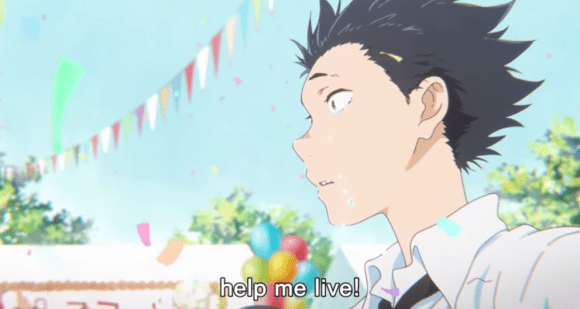
The preview gives away a few major plot beats, but considering that it’s the same one that the very satisfied Japanese audiences saw prior to A Silent Voice’s domestic release, it doesn’t seem like the trailer’s spoilers entirely spoil the anime’s impact and ability to leave an impression on the viewer.

What’s a bit more concerning is the presence of some clunky on-screen translation notes, which are more the sort of thing you’d expect to see in a fansub, or at least a home video release, rather than an official trailer for a theatrical feature.
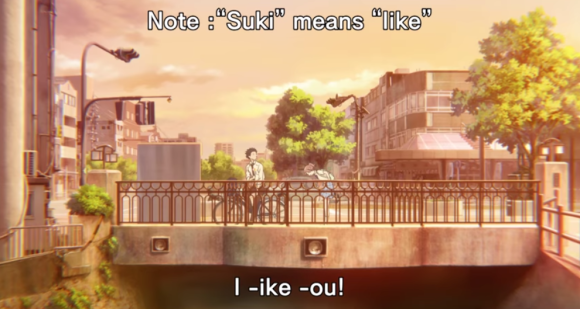
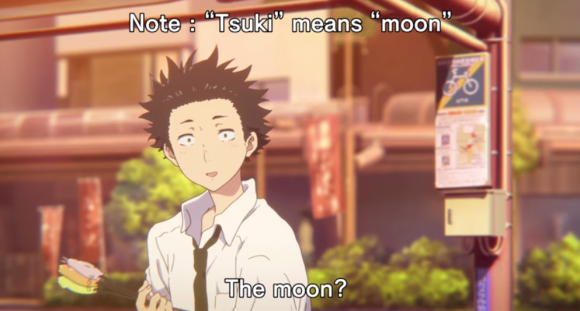
But as we’ve seen before, Japanese wordplay and miscommunications are often tricky things to render smoothly in English. On the bright side, Eleven Arts still has about a month and a half until A Silent Voice’s October 20 release in the U.S., so maybe their translators and scriptwriters will take another swing at those lines before then.
Source: YouTube/Eleven Arts via Anime News Network
Images: YouTube/Eleven Arts
]]> https://soranews24.com/2017/09/01/a-silent-voice-anime-about-bullied-deaf-girl-gets-english-subtitled-trailer-u-s-release-date/feed/ 0 387751 SV 0 A Silent Voice, anime film about bullied deaf girl, has an emotional new trailer【Video】 https://soranews24.com/2016/09/14/a-silent-voice-anime-film-about-bullied-deaf-girl-has-an-emotional-new-trailer%e3%80%90video%e3%80%91/ https://soranews24.com/2016/09/14/a-silent-voice-anime-film-about-bullied-deaf-girl-has-an-emotional-new-trailer%e3%80%90video%e3%80%91/#comments Tue, 13 Sep 2016 16:00:33 +0000 http://en.rocketnews24.com/?p=344238 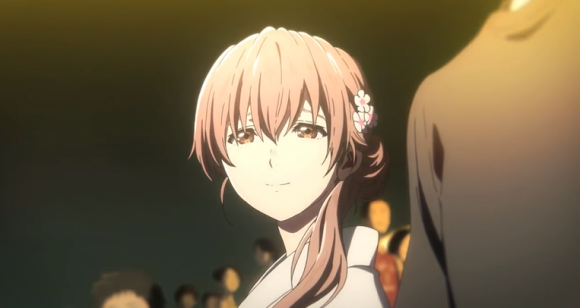
Female lead’s voice acting sounds like nothing else in recent anime.
Anime got a lot of respect at Japanese theaters this summer, with Your Name, the latest offering from director Makoto Shinkai, getting off to an extremely fast start on its way to a possible finish as the highest-earning movie in Japan this year. However, there’s one more highly anticipated anime film just around the corner.
In June, we took a look at the first teaser for Koe no Katachi, also known as A Silent Voice. Now there’s an extended trailer for the film from acclaimed studio Kyoto Animation, which highlights even more of what’s in store for viewers of the movie about a high schooler trying to make amends for his childhood misdeeds.
A Silent Voice is centered on the relationship between male lead Shoya and Shoko, who meet when she transfers into his elementary school class. Shoko is deaf, and Shoya locks onto this as an opportunity to bully her, which the trailer shows a startlingly cruel example of.

But Shoya himself later becomes ostracized, and this experience leads him to have greater empathy for those who face difficulties socially connecting with others. So when his and Shoko’s paths cross again, he dedicates himself to being a good friend this time.

It’s no secret that anime marketing leans heavily on its voice talent, especially for major female characters. So it’s admirable to see, in the trailer, that A Silent Voice doesn’t try to portray Shoko’s difficulties in speaking by making her talk like a child. While she doesn’t seem to have extensive dialogue in the film, her lines that are audible in the trailer are voiced in a raw-sounding delivery that clearly communicates how difficult it is for Shoko to form spoken words.

Likewise, the preview includes several shots of Shoya and Shoko exchanges rudimentary sign language expressions. The scenes look to be animated with extreme care, in keeping with the sensibilities and respect A Silent Voice has shown by planning subtitled screening for the hearing impaired.
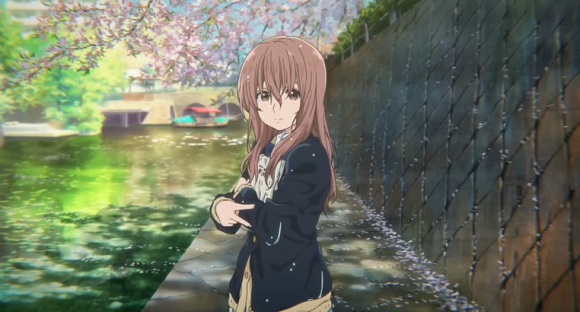
A Silent Voice is set to open in Japanese theaters on September 17.
Source: Jin
Images: YouTube/KyoaniChannel
]]> https://soranews24.com/2016/09/14/a-silent-voice-anime-film-about-bullied-deaf-girl-has-an-emotional-new-trailer%e3%80%90video%e3%80%91/feed/ 0 344238 sv-6 sv-0 sv-1 sv-3 sv-4 sv-5 Anime film about bullied deaf girl to be shown in theaters with subtitles for hearing-impaired https://soranews24.com/2016/06/28/anime-film-about-bullied-deaf-girl-to-be-shown-in-theaters-with-subtitles-for-hearing-impaired/ https://soranews24.com/2016/06/28/anime-film-about-bullied-deaf-girl-to-be-shown-in-theaters-with-subtitles-for-hearing-impaired/#comments Tue, 28 Jun 2016 10:00:34 +0000 http://en.rocketnews24.com/?p=329477 
Producers for A Silent Voice are planning to accommodate fans who, like the series’ female lead, can’t hear.
Manga creator Yoshitoki Oima’s A Silent Voice, titled Koe no Katachi (literally “The Shape of Voice”) in Japanese, begins with a new student transferring into elementary school student Shoya’s class. His new classmate is a deaf girl named Shoko, and as is sadly, yet often, the case, that difference makes her the target of bullies, with Shoya acting as the ringleader of her tormenters.
But bullying just leads to more bullying, and eventually the vicious circle comes back around and Shoya finds himself on the receiving end of taunts and jeers. Unable to form a lasting friendship throughout elementary and middle school, upon entering high school Shoya resolves to make amends for mistreating Shoko when they were younger, and the story follows his attempts at redemption and the challenges that arise along the way.
The manga began serialization in 2013, and has attracted enough critical and popular acclaim that it’s being adapted into a theatrical anime by the talented team at Kyoto Animation, with its opening scheduled for September 17. The trailer looks impressive, filled with the sort of careful yet emotional character animation that the studio has become known for.
But while nice visuals are always a plus, it’s the story of A Silent Voice, and its willingness to have a deaf character play a key role, that’s won praise for the franchise. As such, it’s only fitting that theaters nationwide will be showing the film with Japanese subtitles, for the benefit of the hearing impaired.
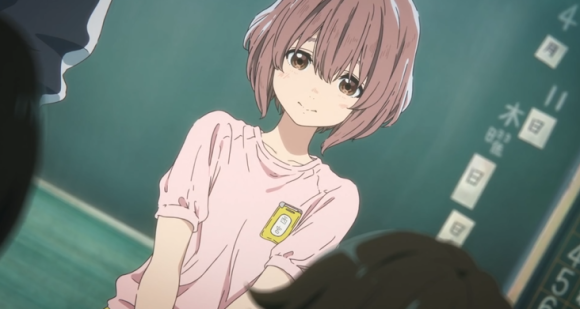
Making this move particularly surprising is the fact that most televised anime in Japan is broadcast without closed captions. Likewise, the majority of anime DVDs lack Japanese subtitling, preventing deaf fans viewers from fully enjoying a huge portion of the country’s animation output.
The decision to accommodate deaf audiences in a film featuring a deaf character is somewhat evocative of 2015 anime Miss Hokusai, in which the protagonist’s younger sister is blind. Japanese home video versions of the film include an audio option in which a narrator describes the on-screen settings and action for those who cannot see.
All theaters scheduled to show A Silent Voice will show the subtitled version, which will be screened once a day at each location between September 24 and 30. While making all screenings subtitled, or at least showing the subtitled version on opening day, would have sent a more powerful message, it’s still a largely unprecedented accommodation for hearing-impaired anime fans, and the producers have said they’re considering extending the subtitled theatrical run, depending on reaction to its currently planned one week.
Source: Inside Games via Jin
Images: YouTube/KyoaniChannel
]]> https://soranews24.com/2016/06/28/anime-film-about-bullied-deaf-girl-to-be-shown-in-theaters-with-subtitles-for-hearing-impaired/feed/ 0 329477 KK 0 KK 1 KK 2